December 2024
Already reaching the end of the route with Xavi and Marta, the small but mighty crew who made India even more special. These days I also explored a bit more on my own, letting myself be carried by the rhythm of the city.
I was incredibly well guided by local experts: one day with Anil Yogi and another with Abhishek Shekhawat. With them I walked through neighbourhoods, markets and incredible corners.
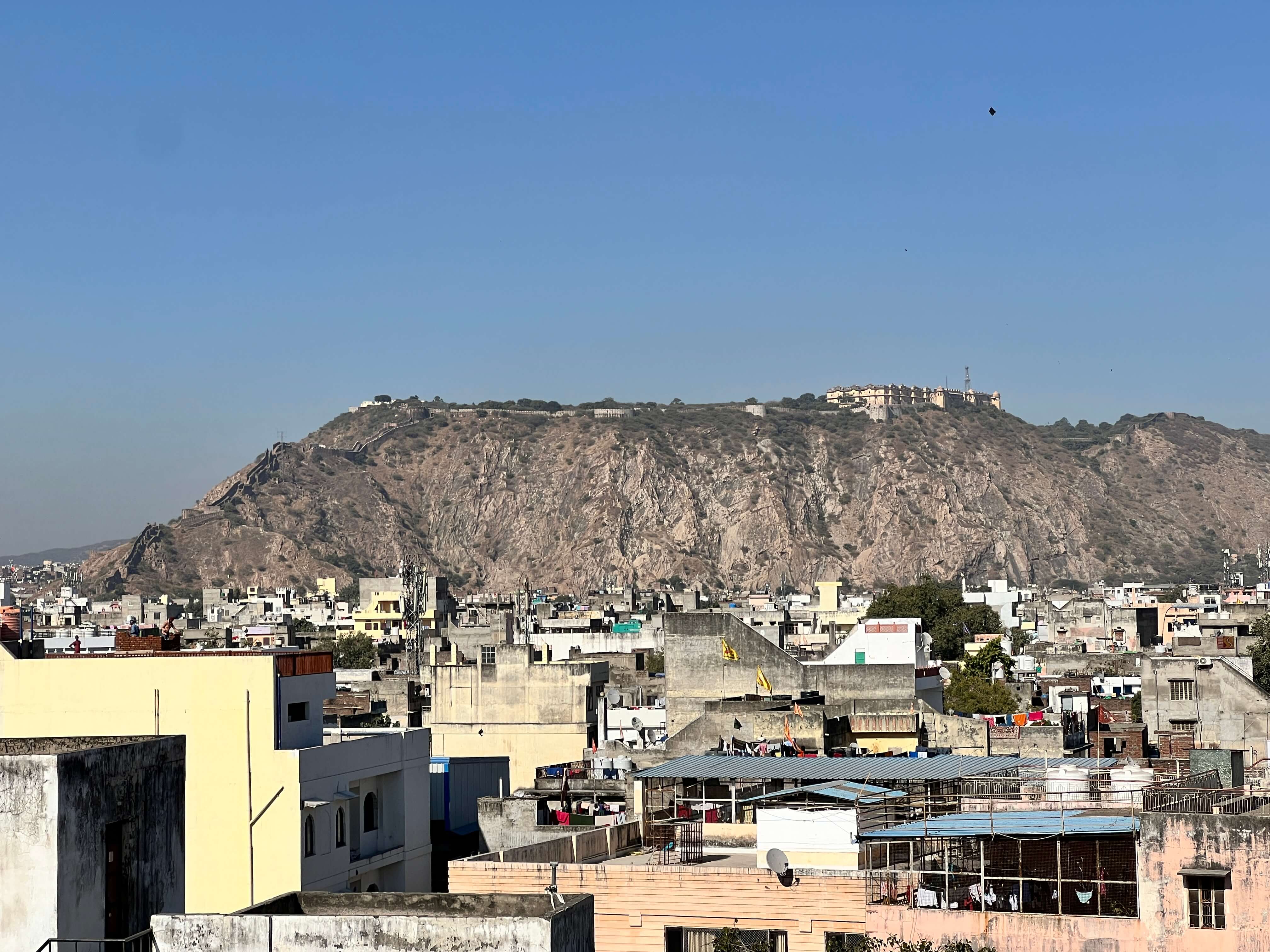
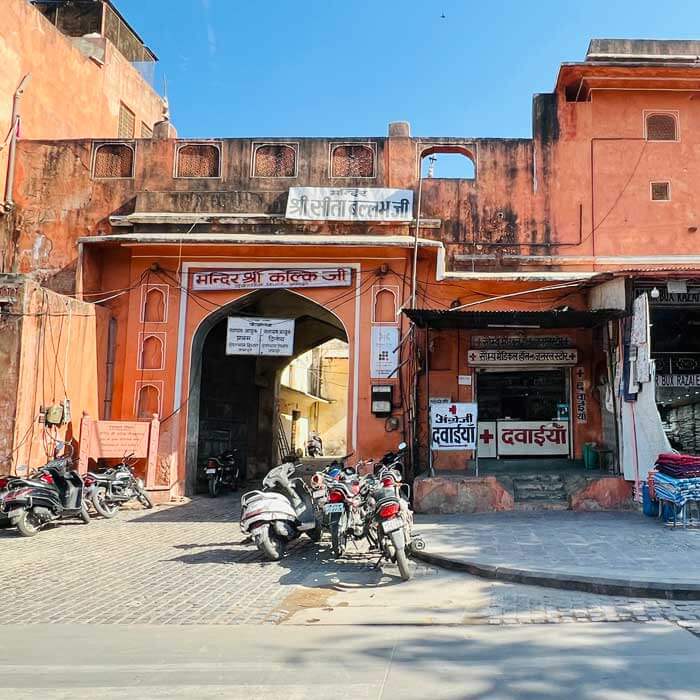
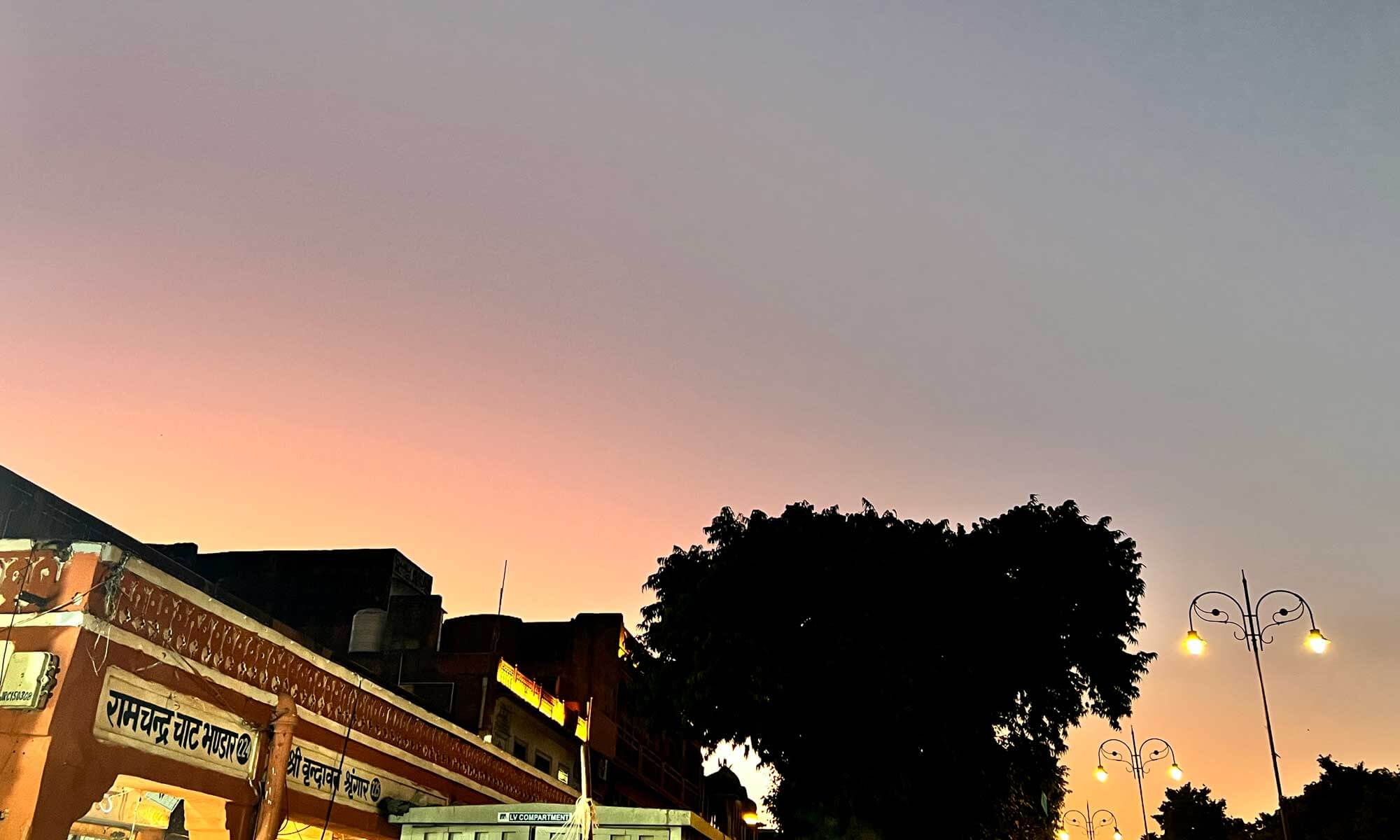
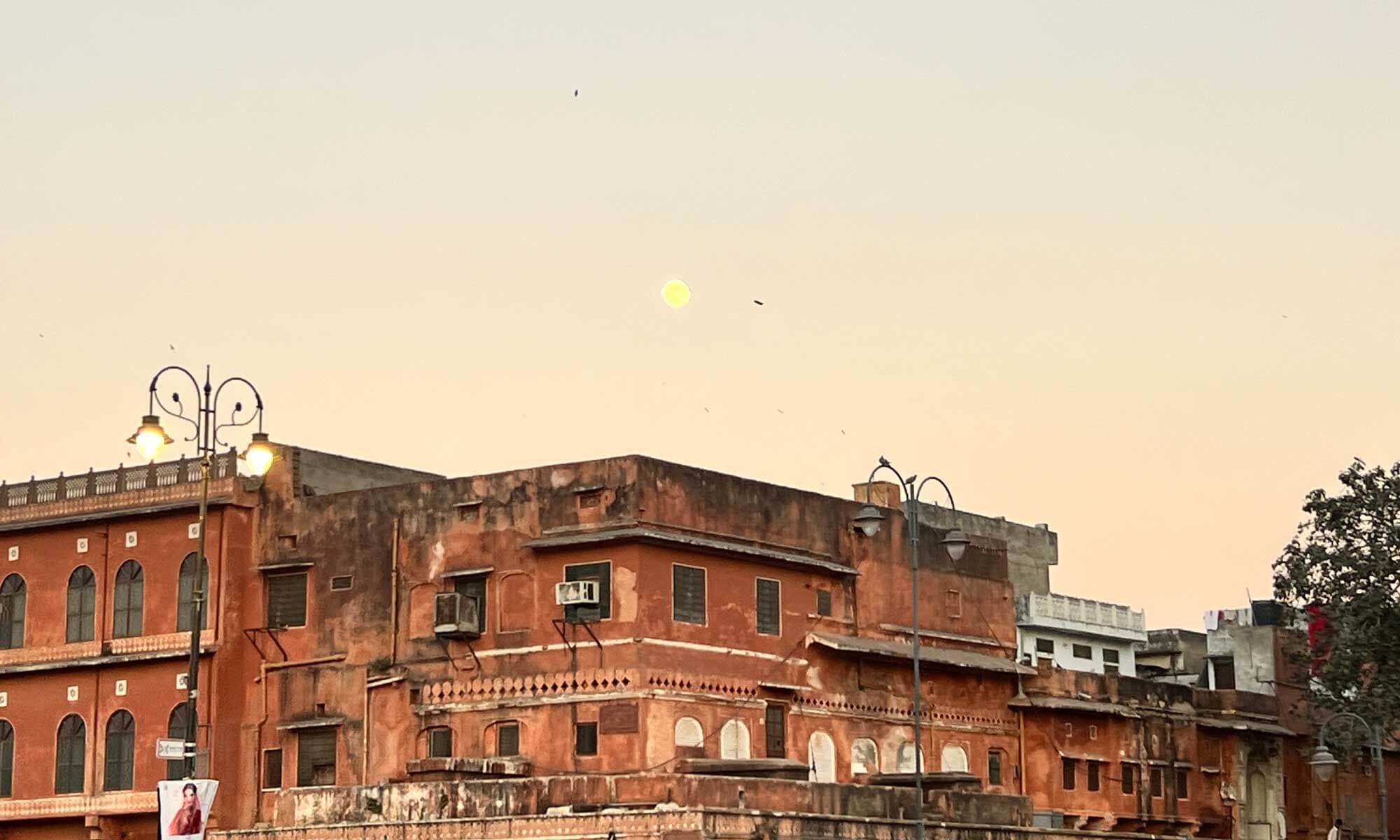
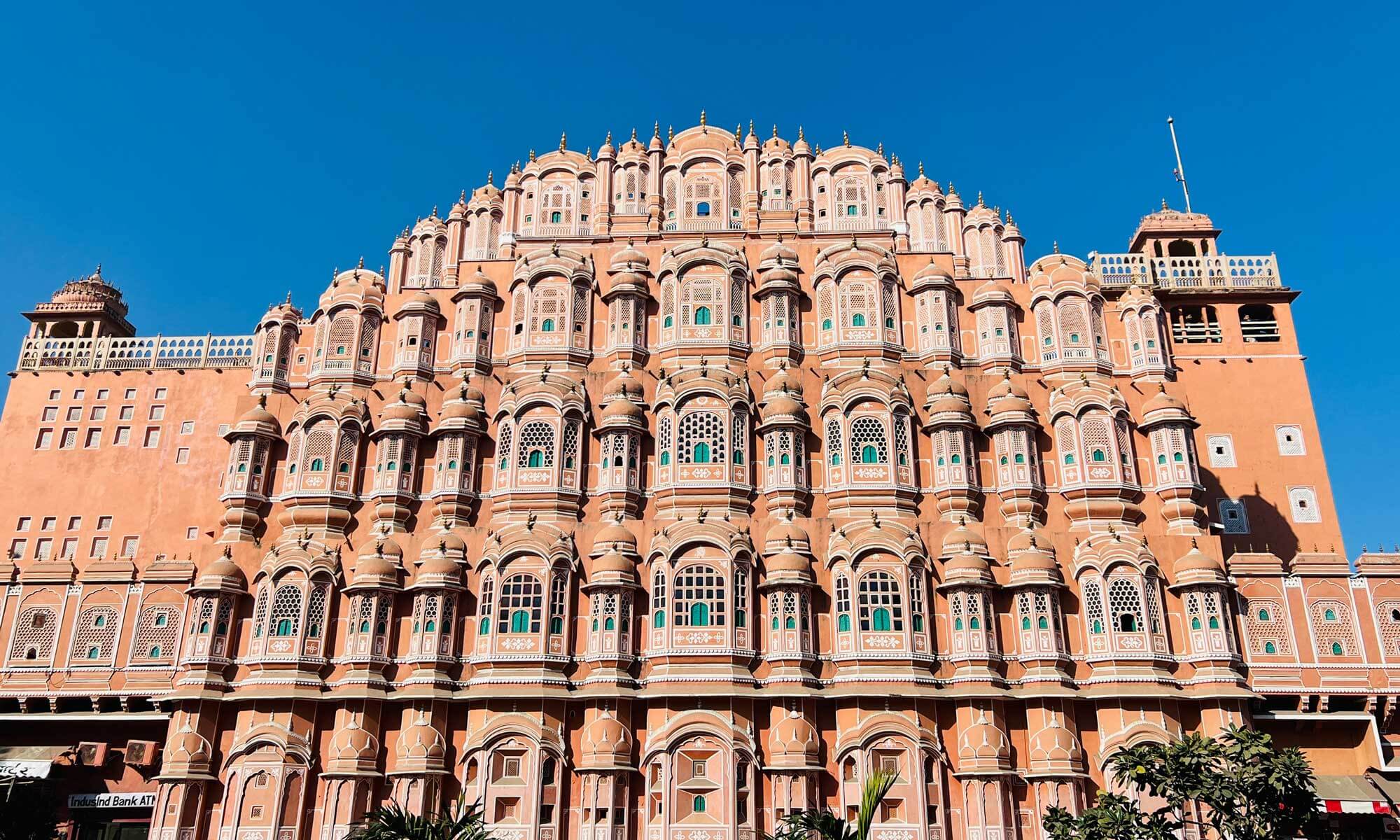
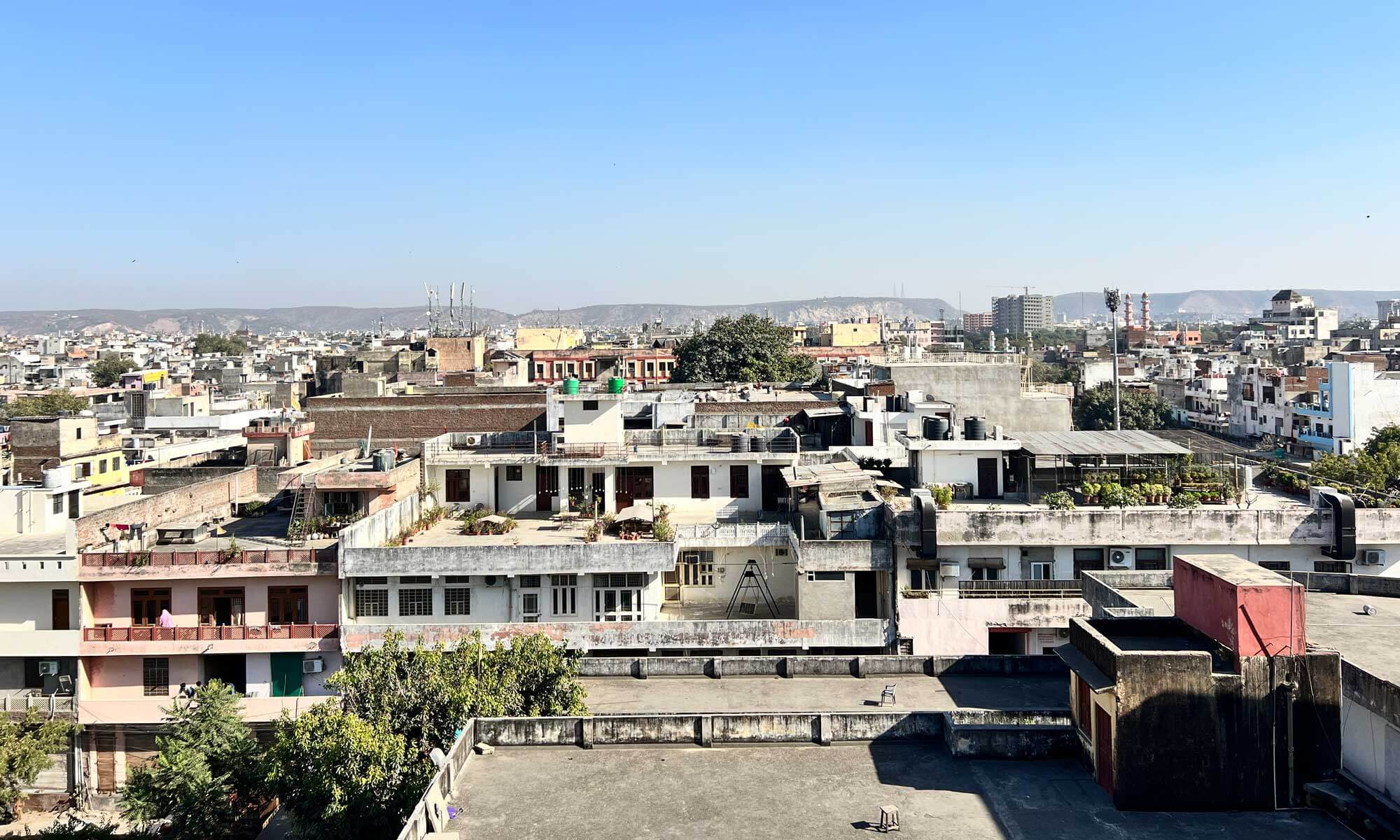
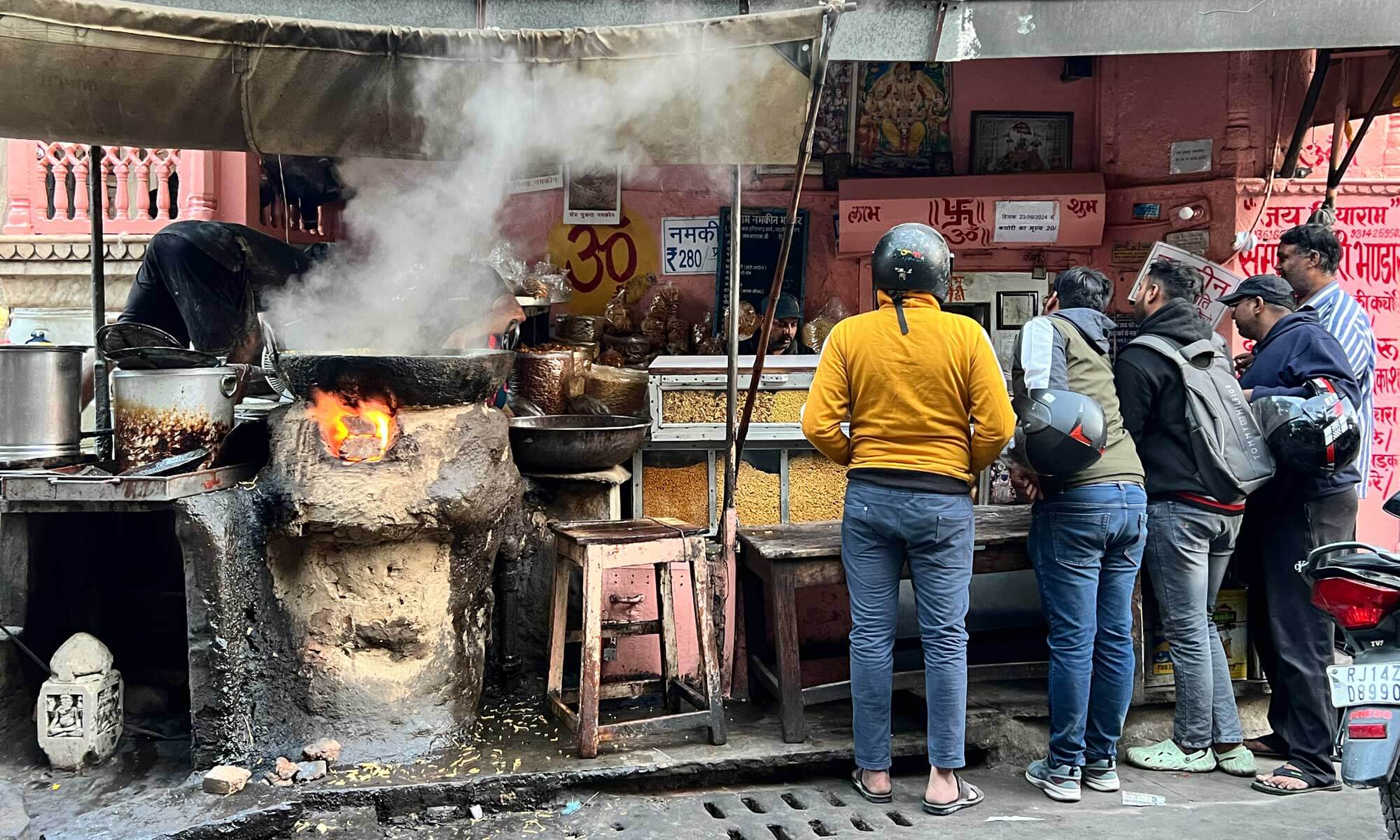
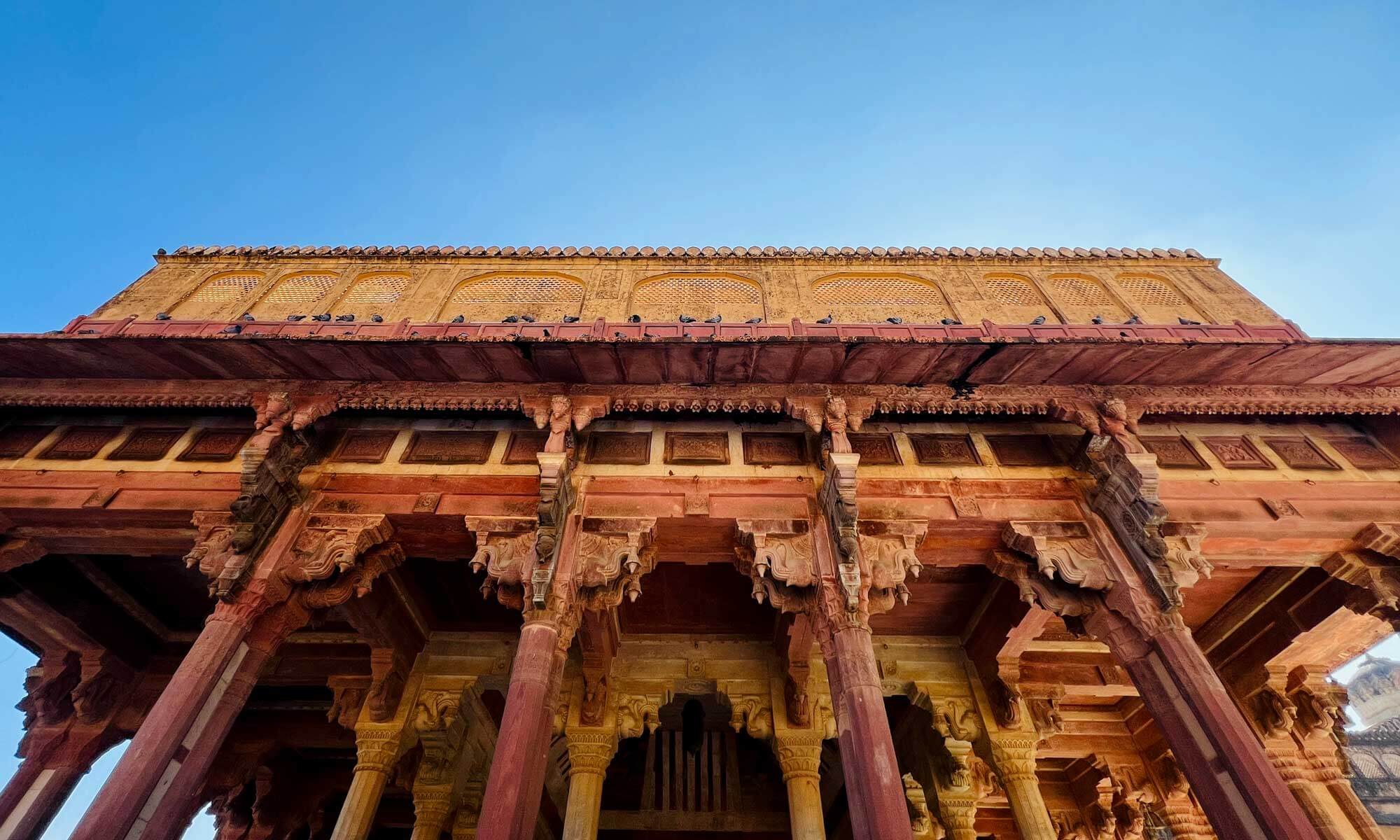
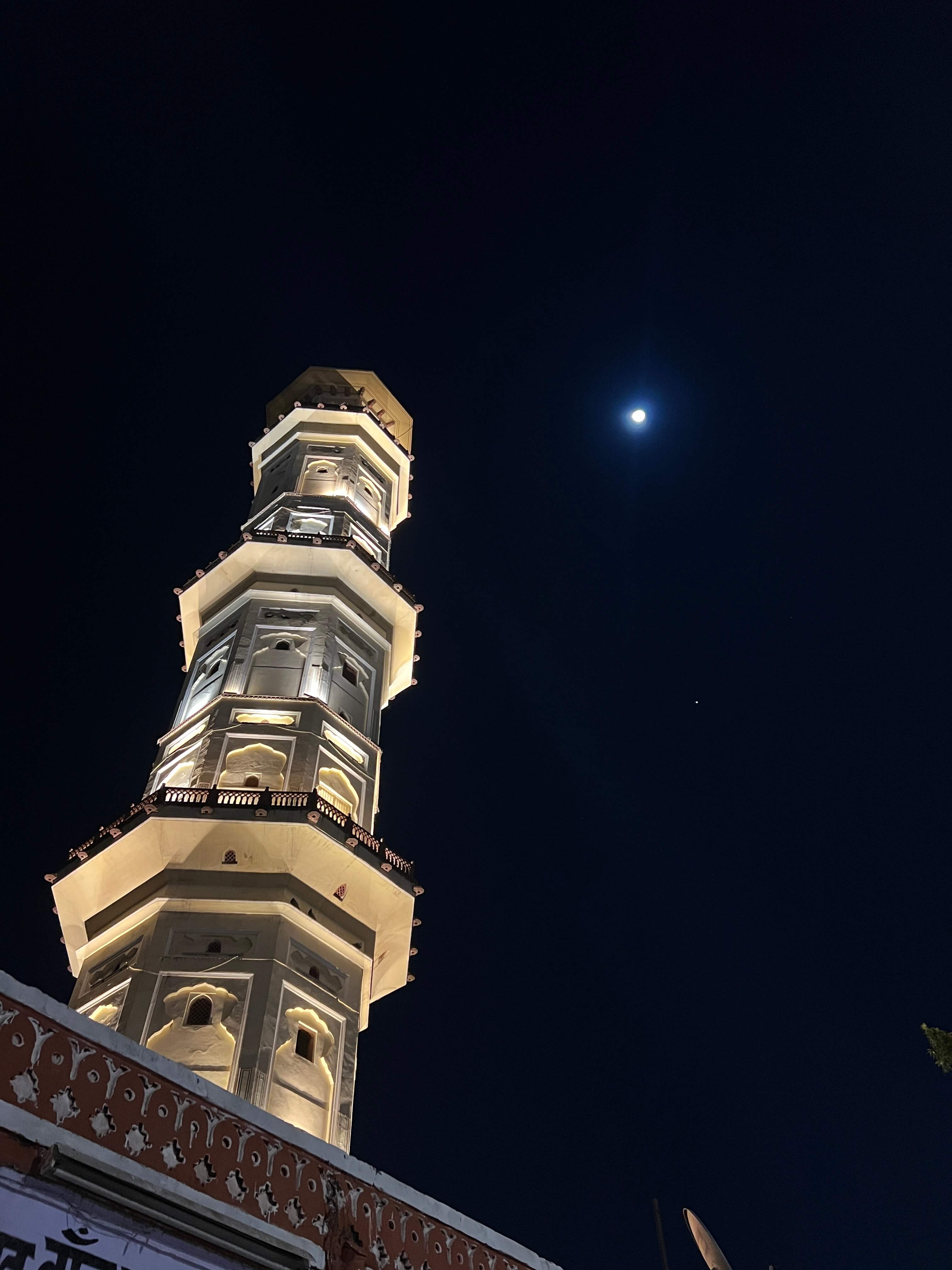
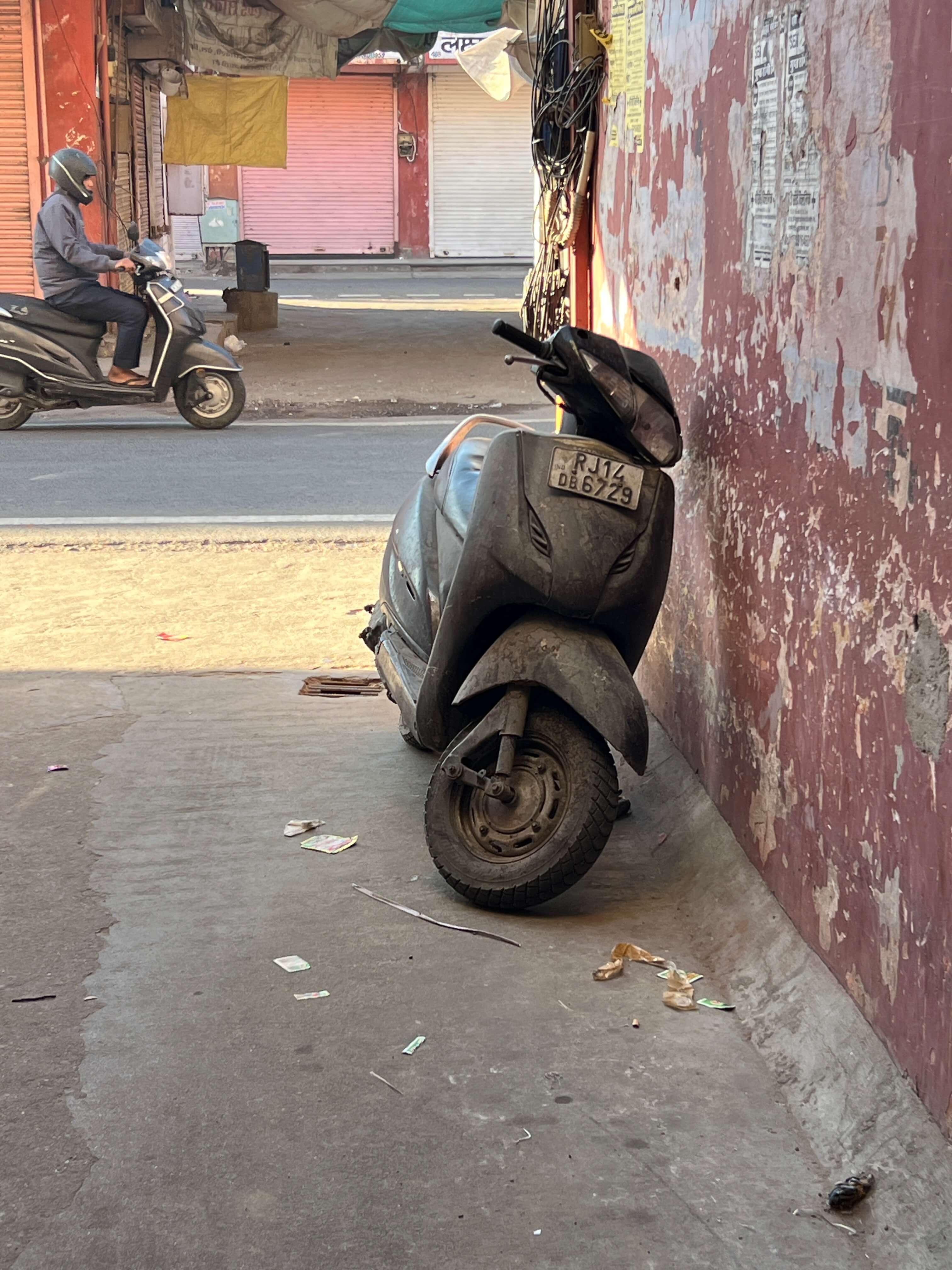
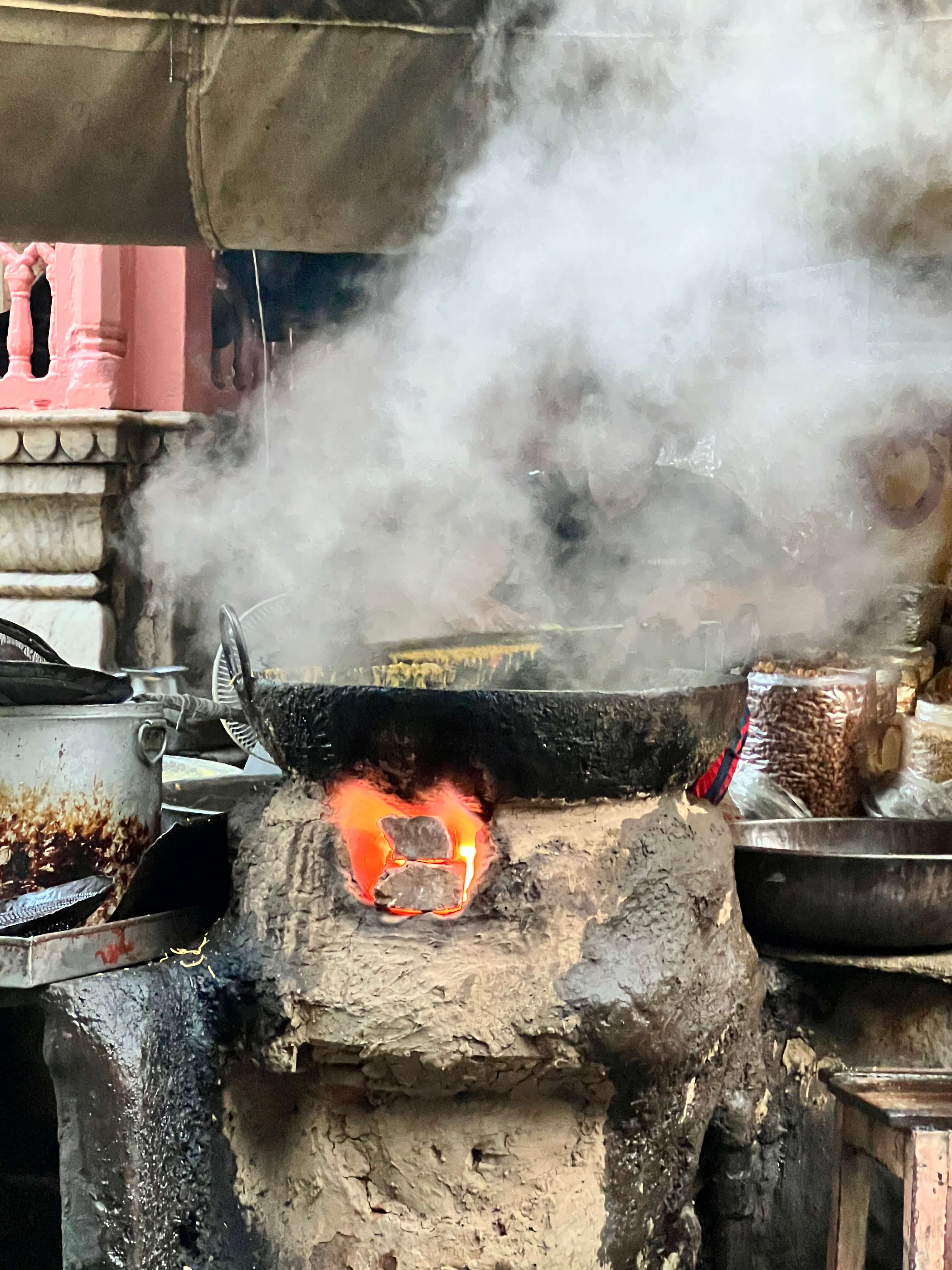
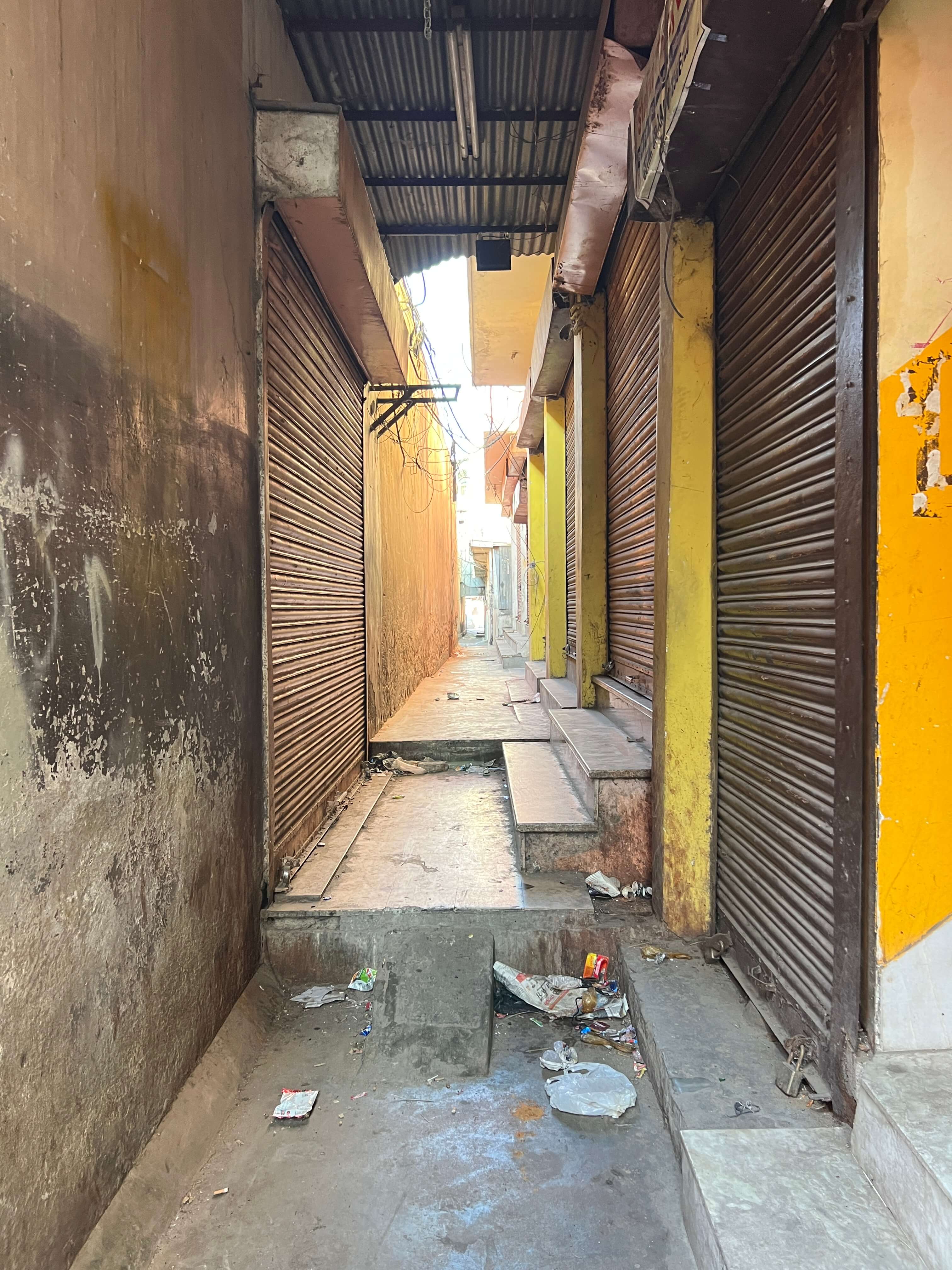
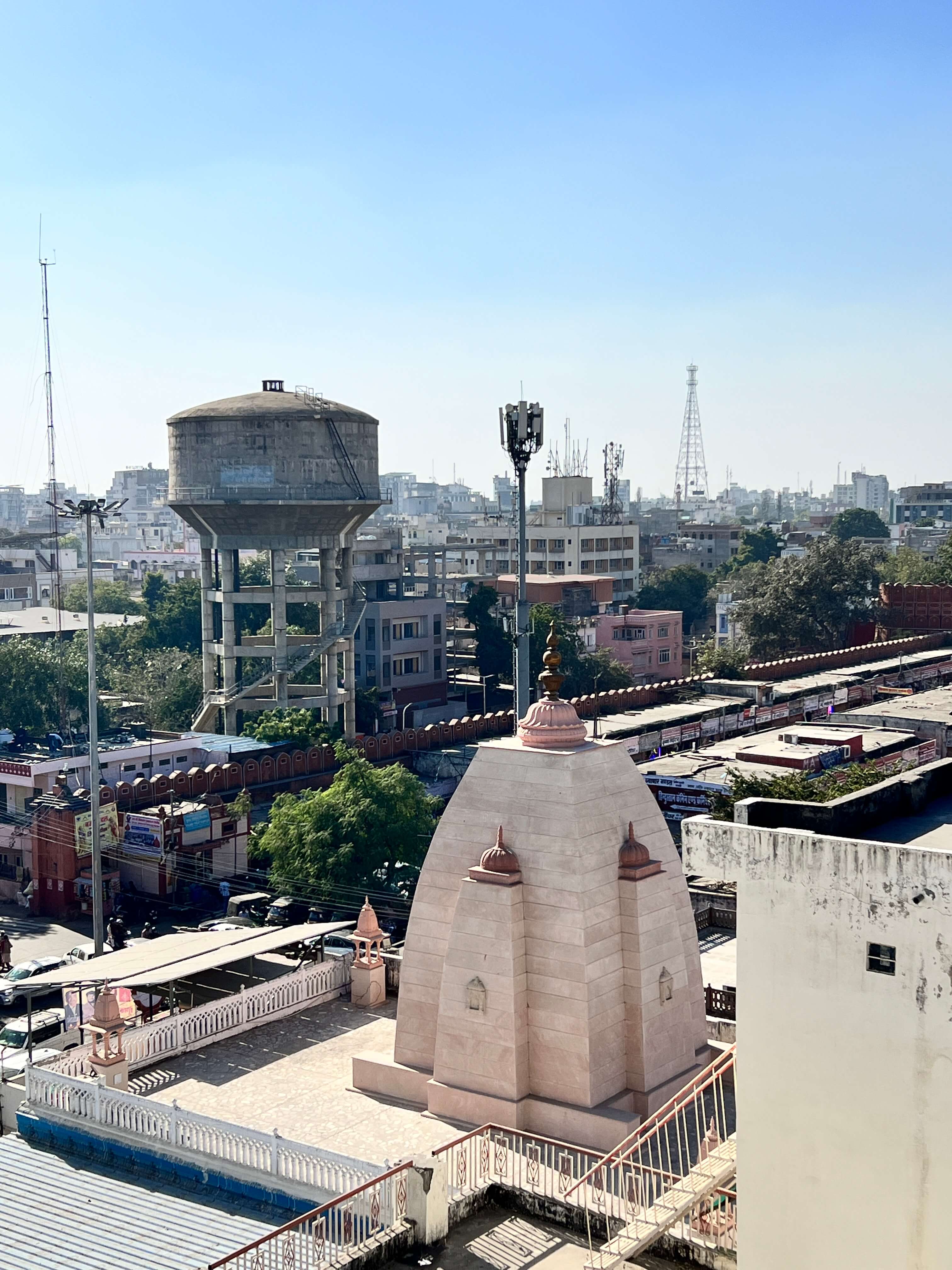
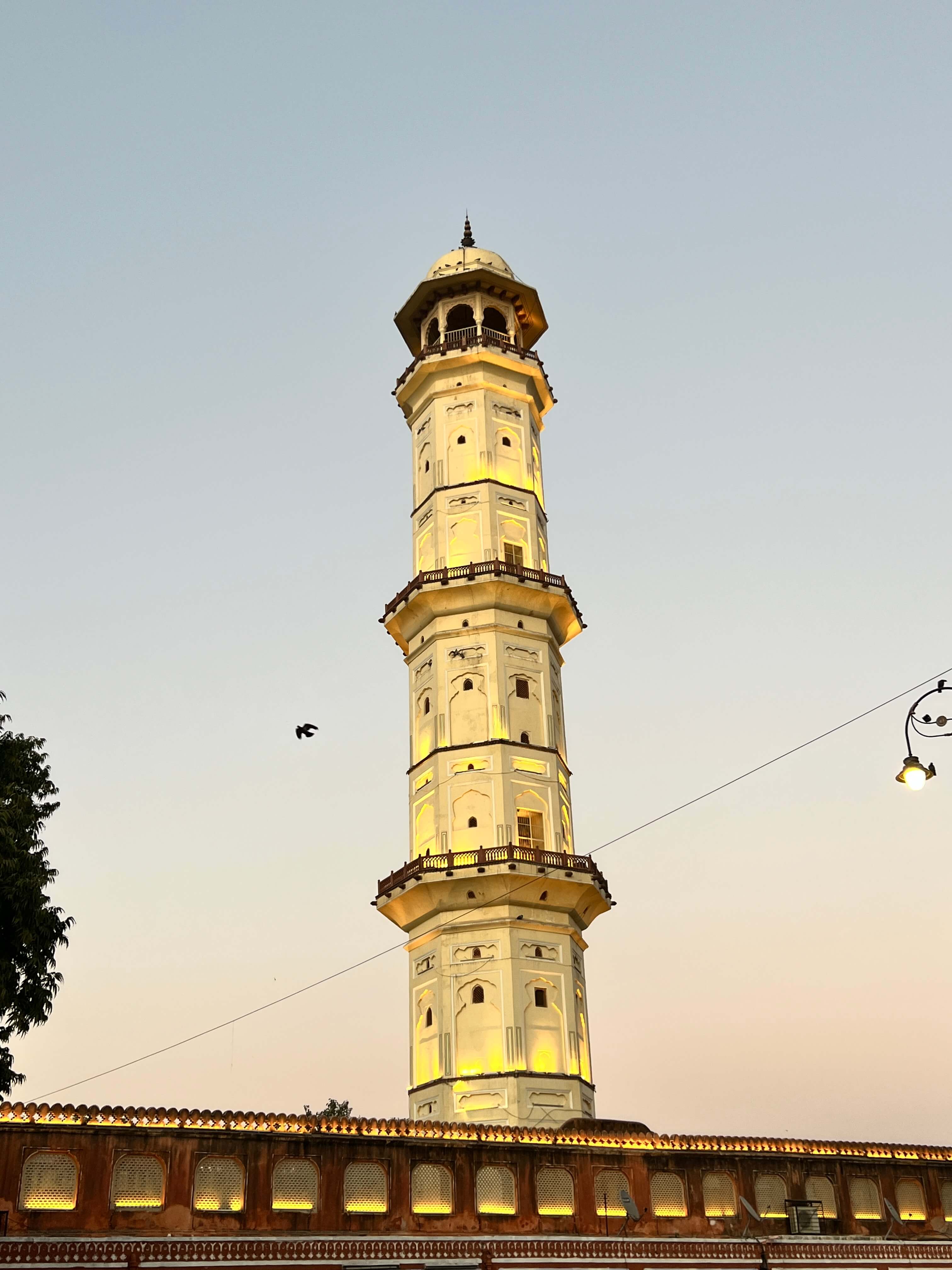
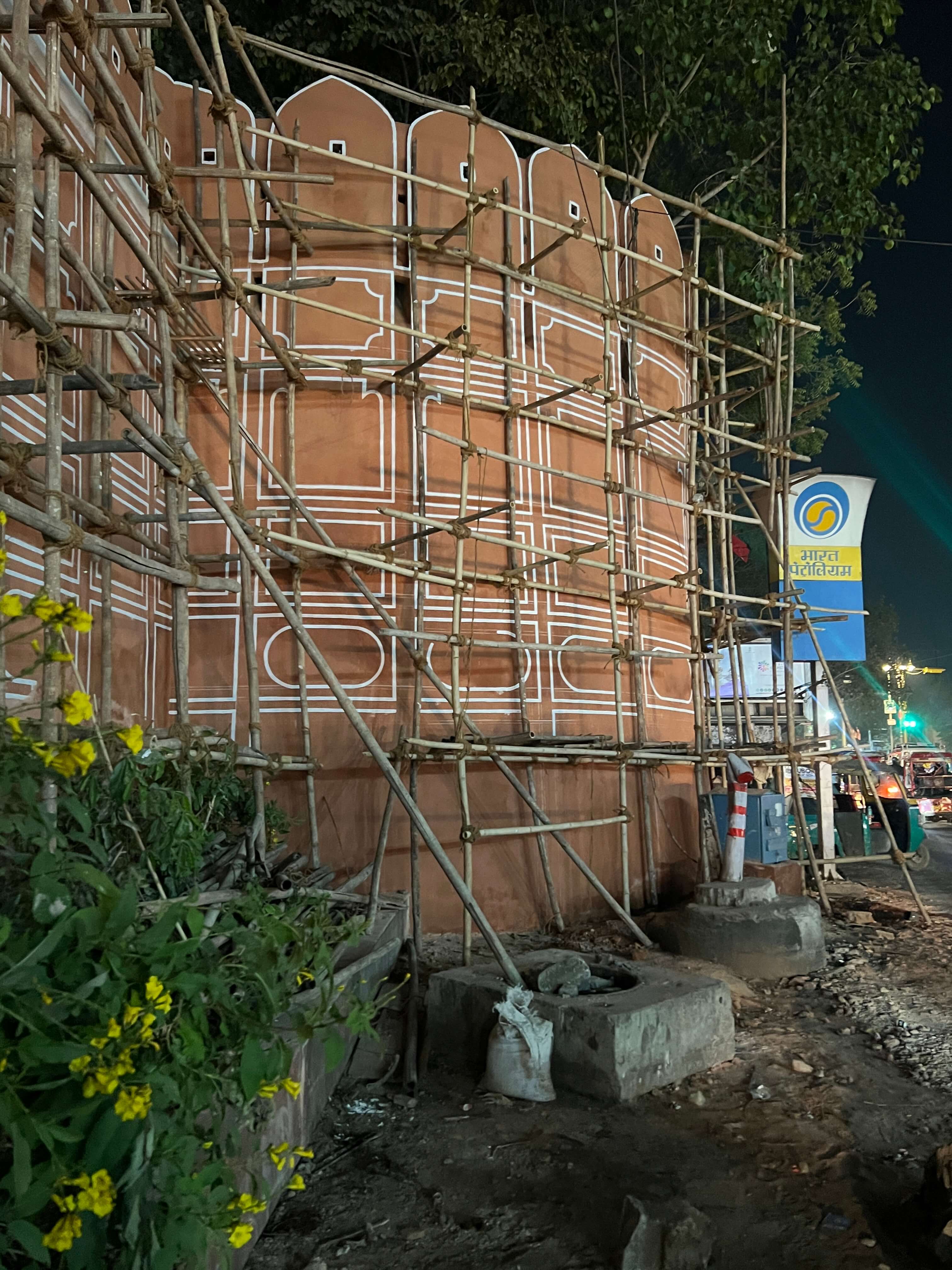
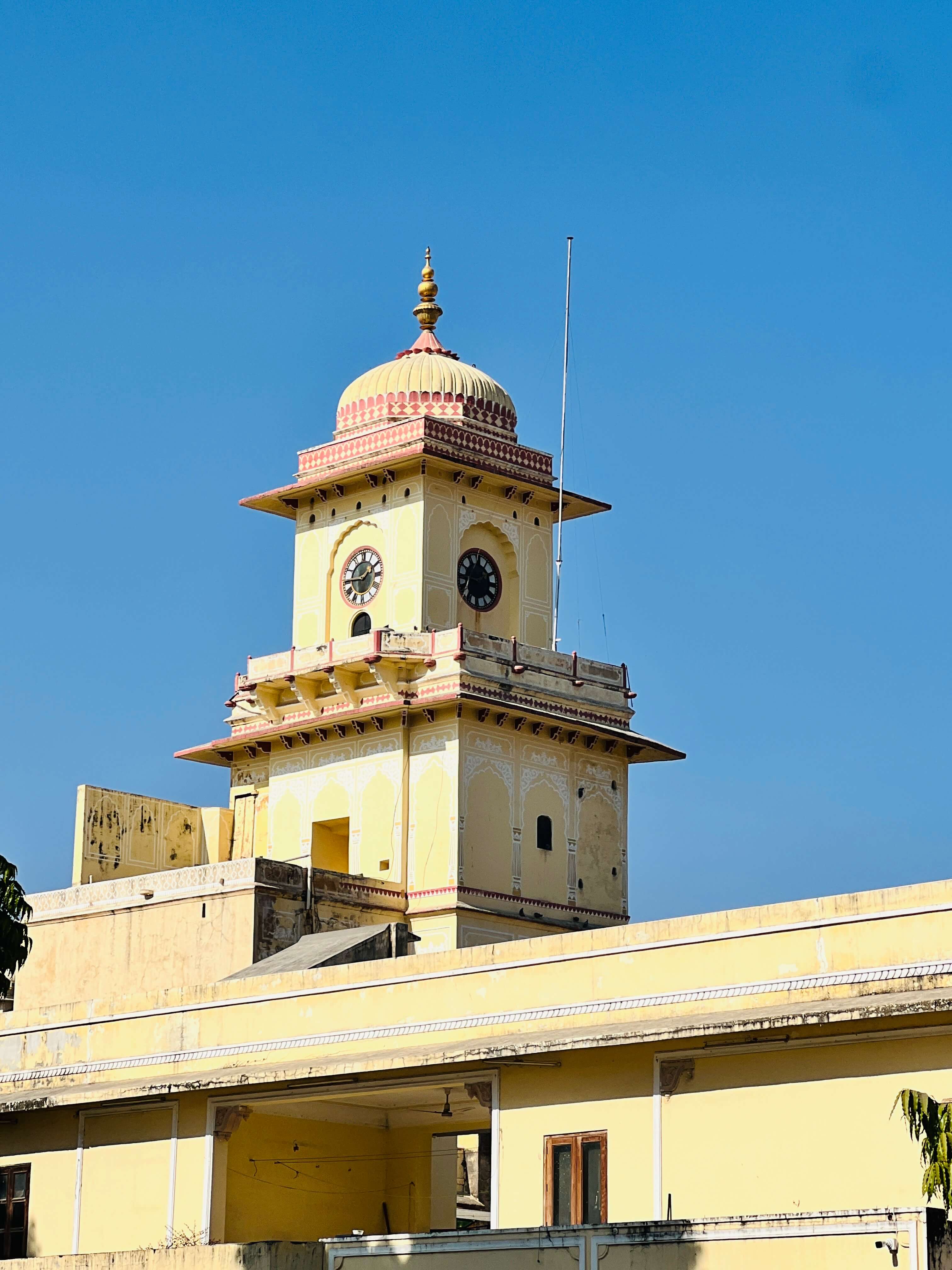
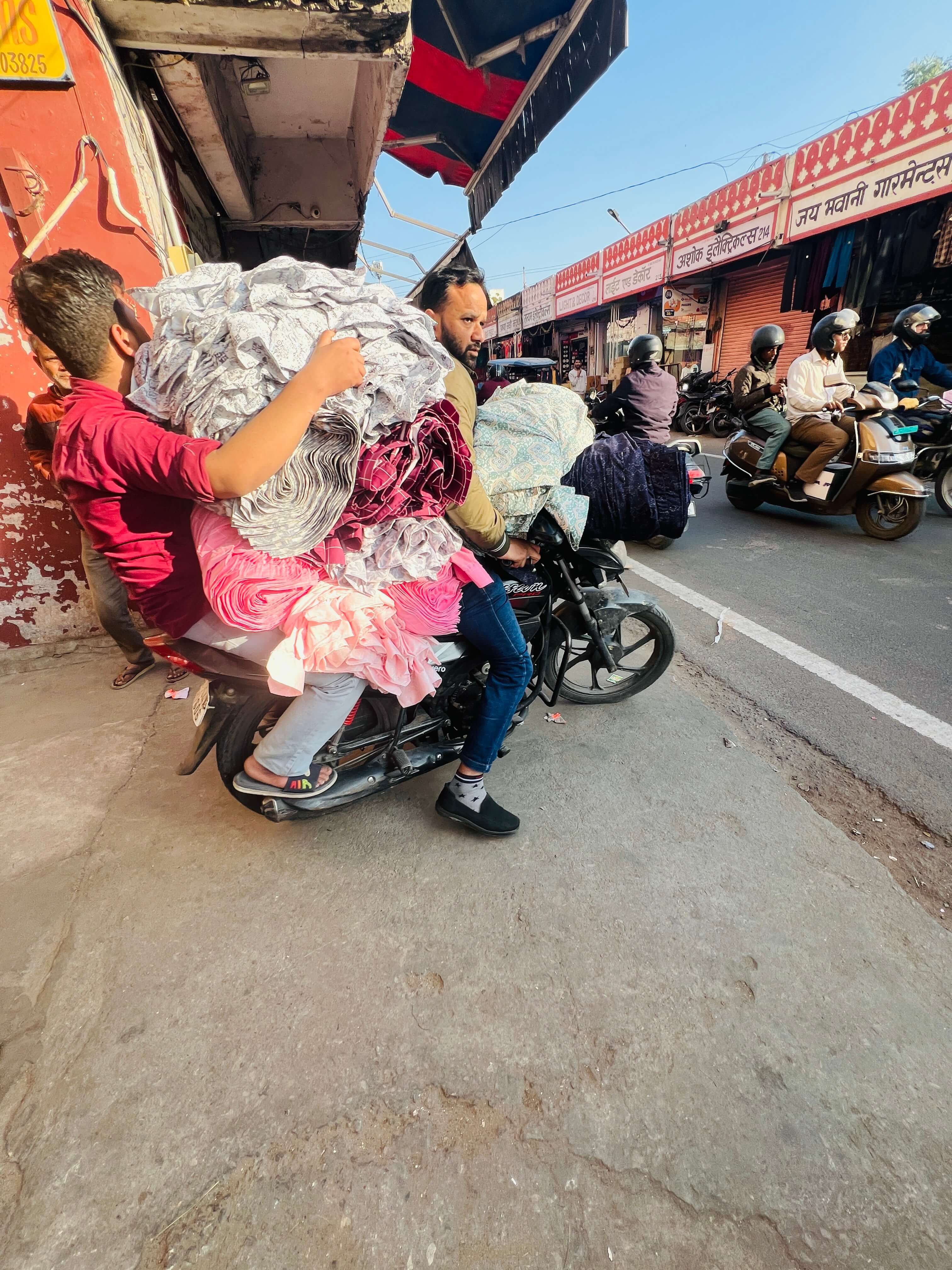
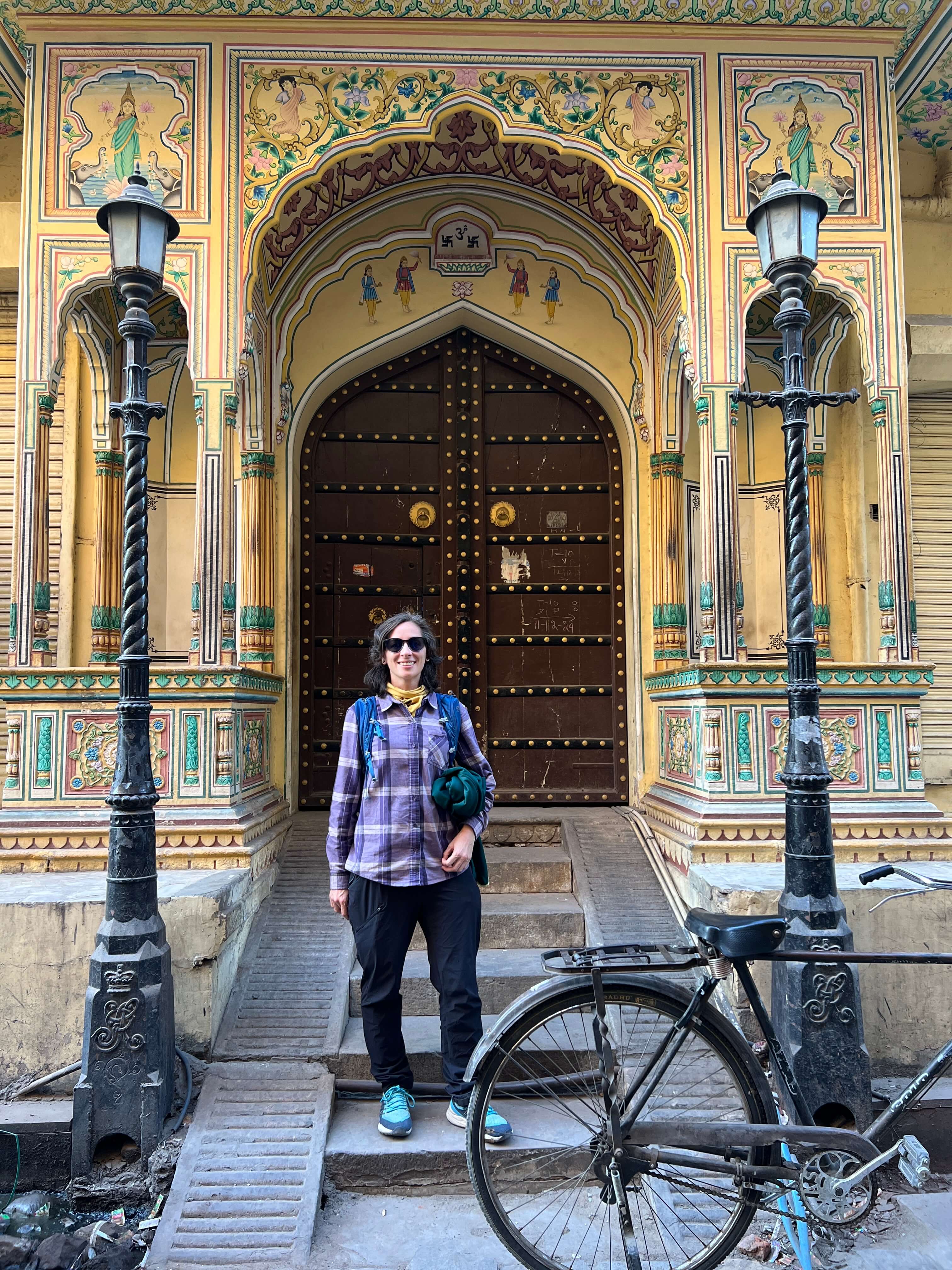
Jaipur is famous for its pink walls… although in reality they are not quite that pink. That tone somewhere between terracotta, coral and desert dust ends up colouring everything: façades, temples, gates and even the air itself. We stayed right in Indira Bazar, in the historic centre. Here everything feels like one big market: spice stalls next to goldsmith workshops and motorbikes weaving between fruit, flowers and vibrant fabrics. A delightful chaos.
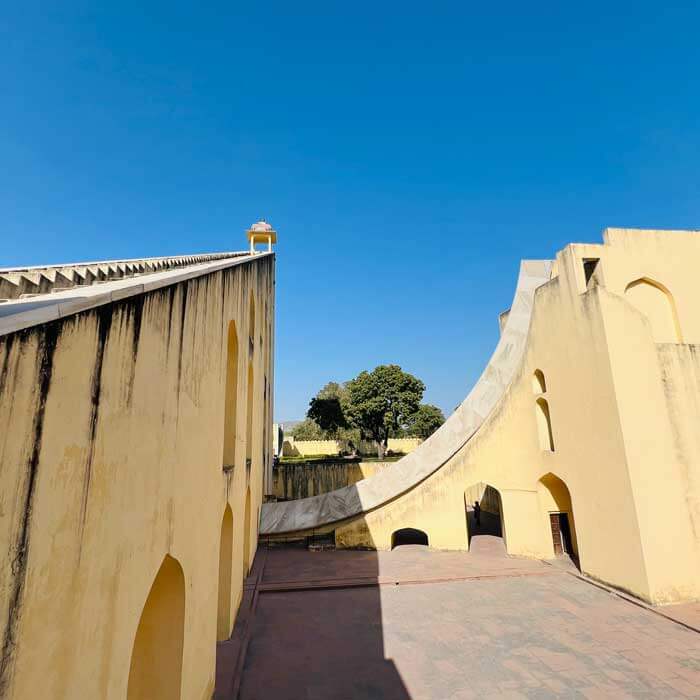
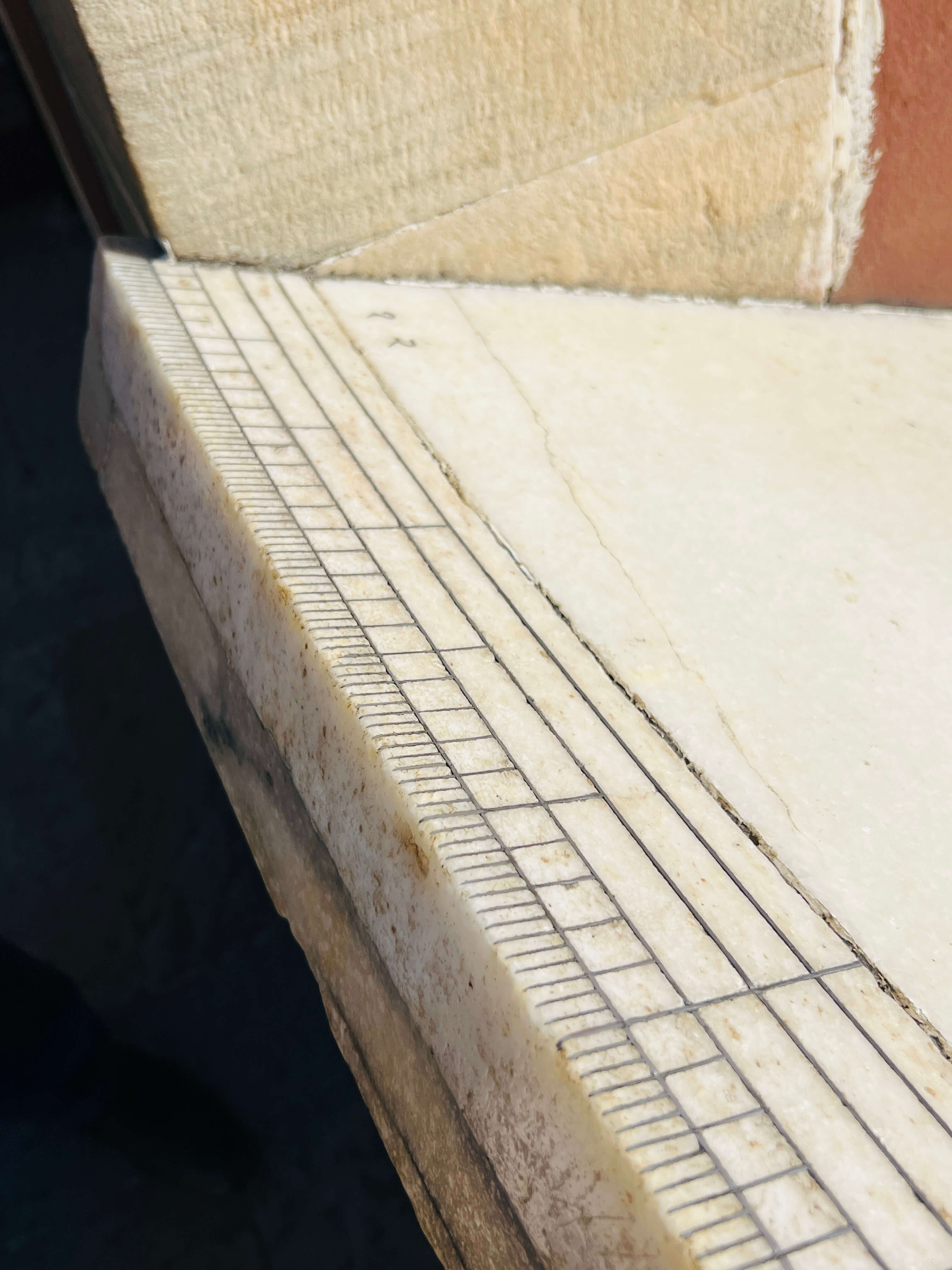
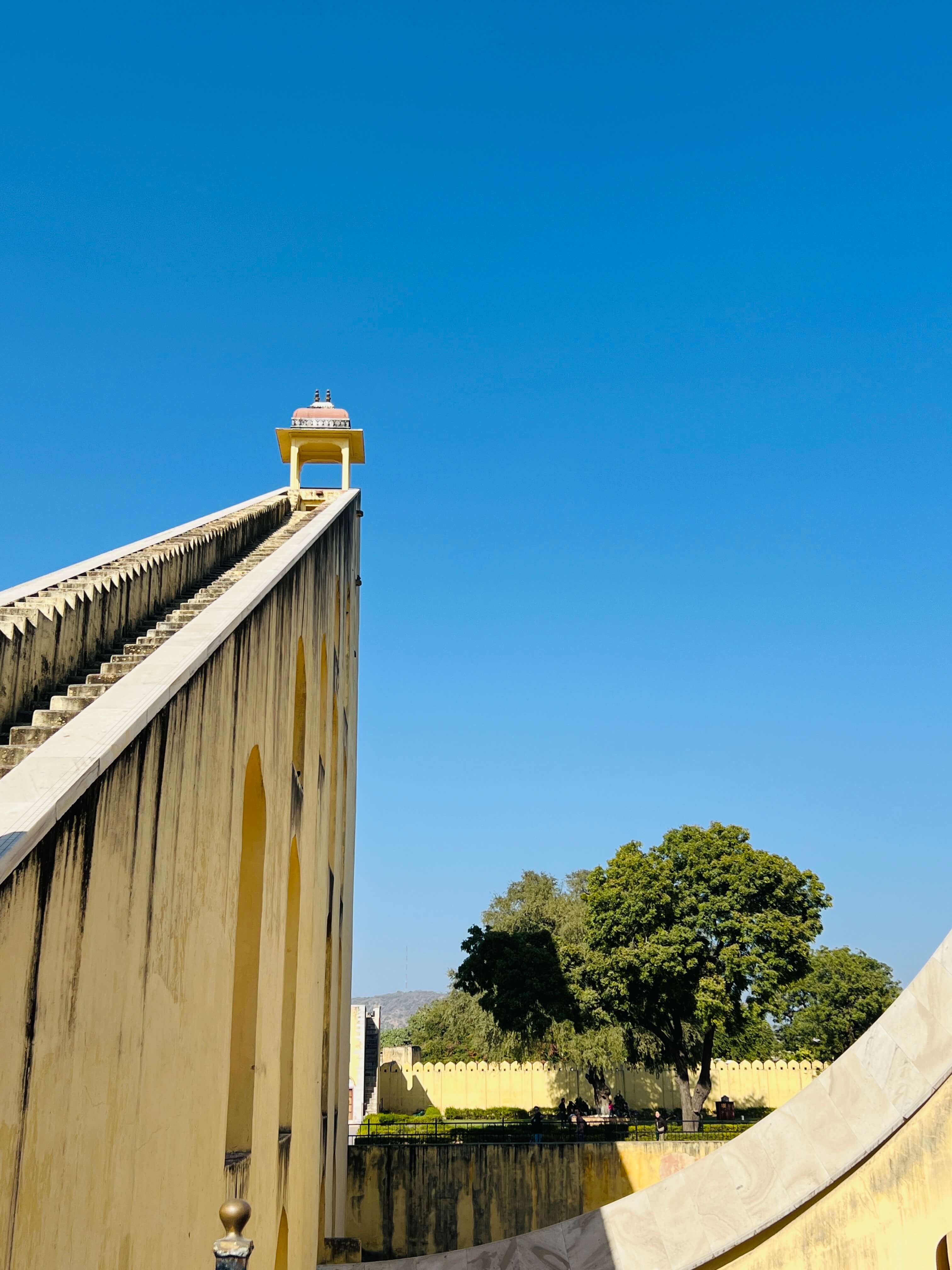
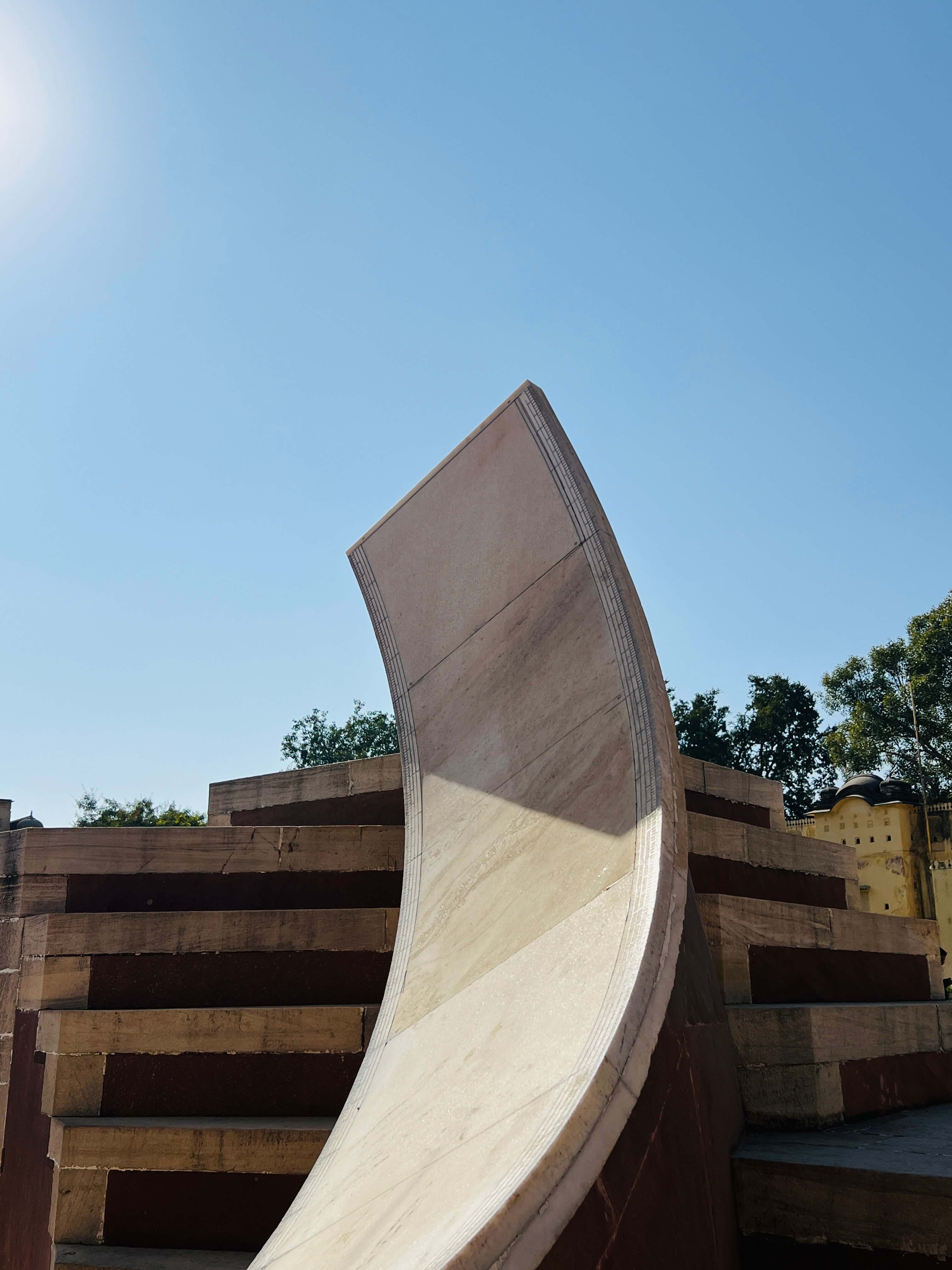
Its monumental scale is striking: broad avenues, massive gates and perfectly aligned buildings. Among them hides Jantar Mantar, one of the most unusual observatories in the world. Curves, triangles and instruments several metres high that look like abstract sculptures, but still work. A place where science and architecture join hands.
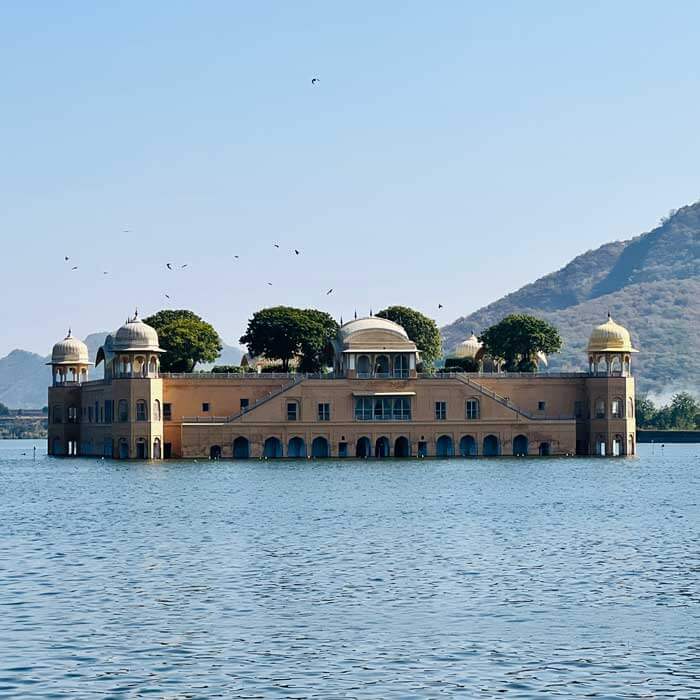
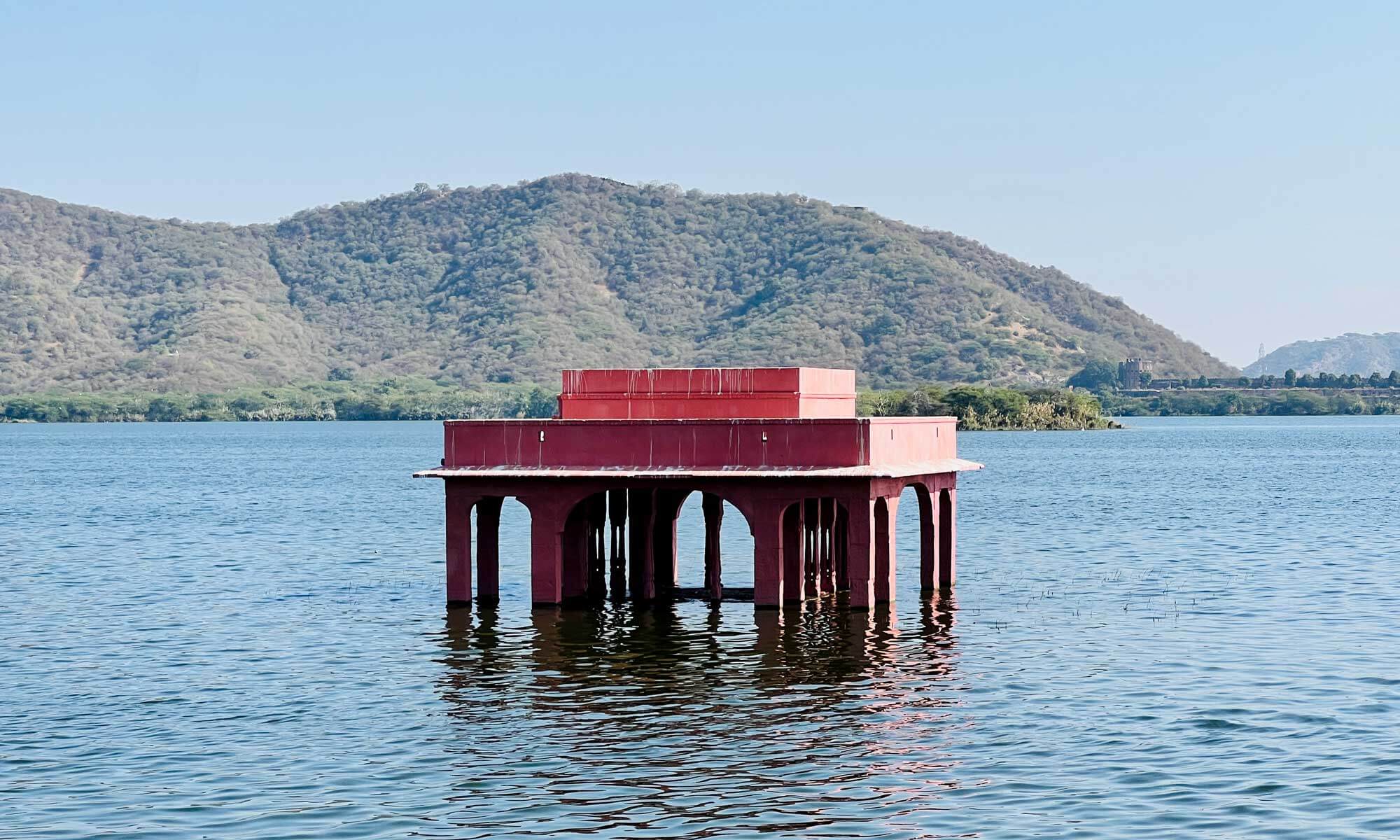
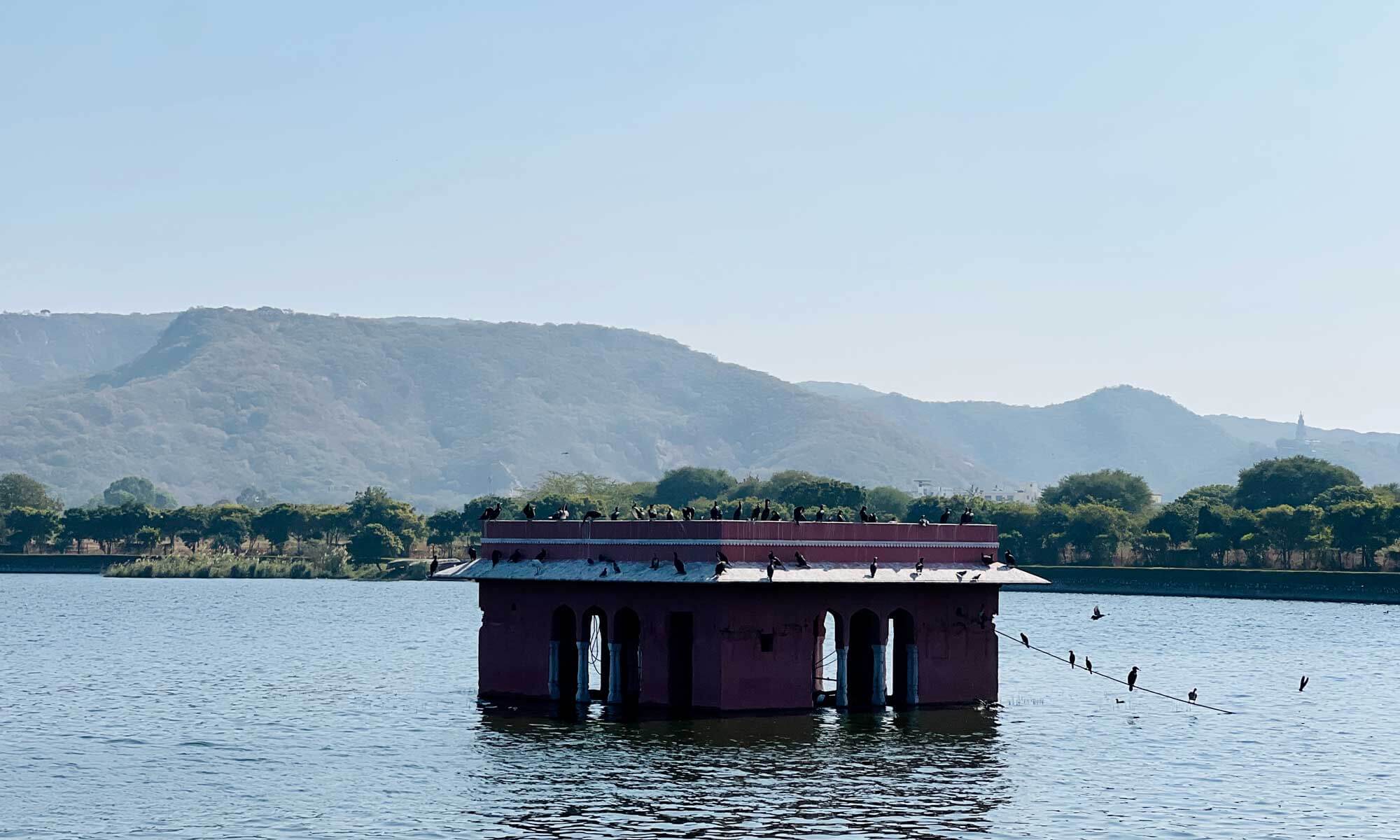
In the middle of Man Sagar Lake stands Jal Mahal, a semi-submerged palace floating like a mirage. Along the shore are small pavilions that serve as shelters for migratory birds and for anyone strolling at sunset.
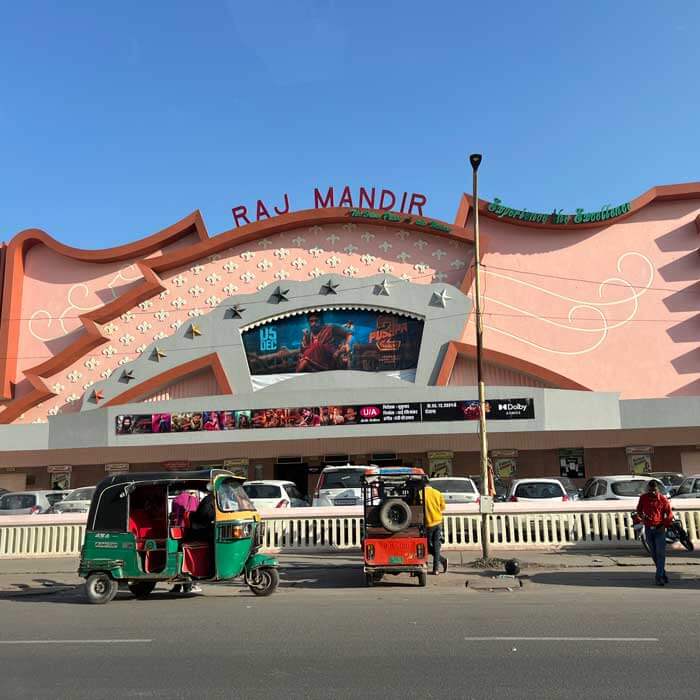
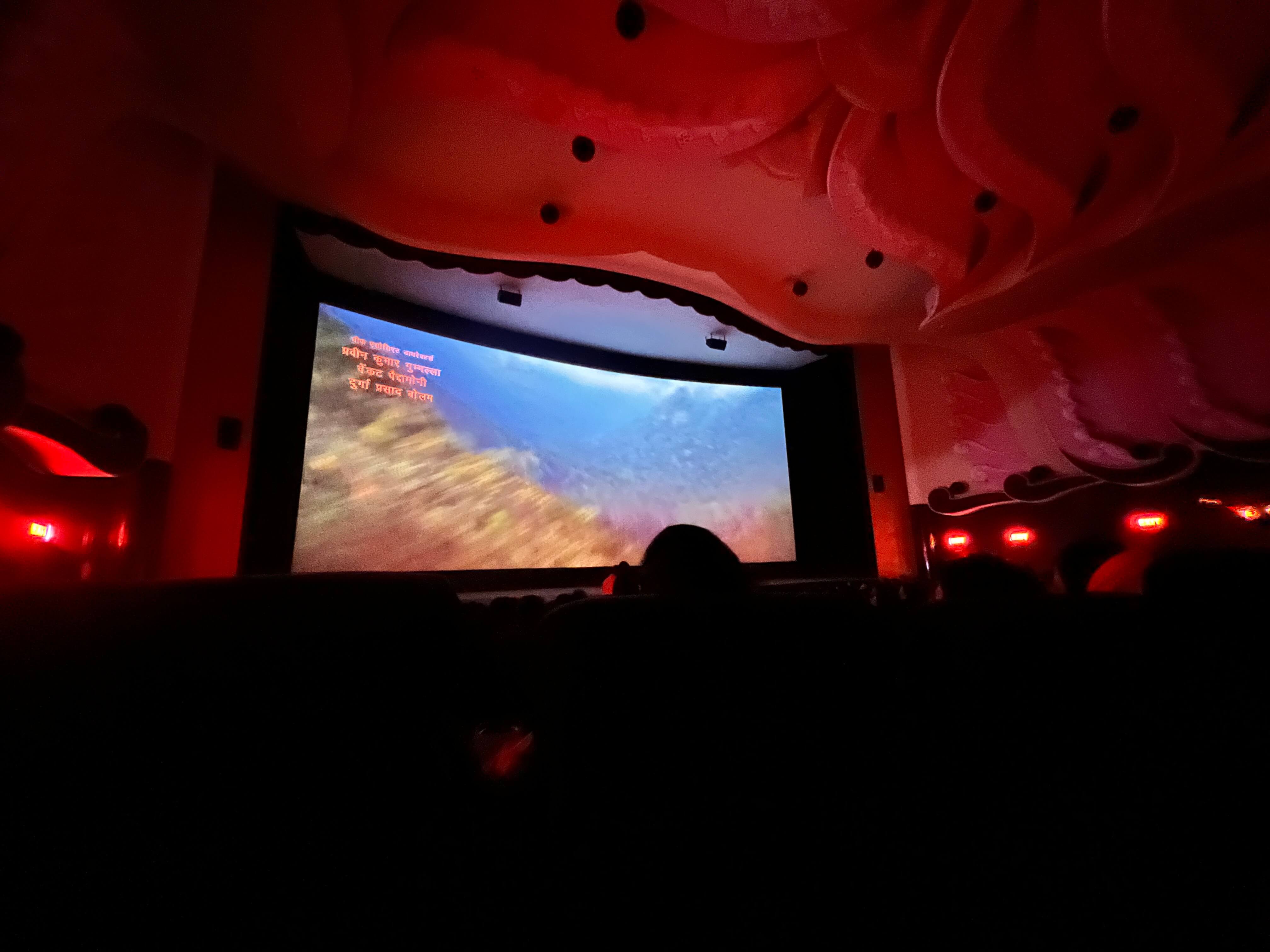
We entered the Raj Mandir without tickets and with the “sold out” sign up. Even so, several people, overflowing with kindness, managed to get us seats out of nowhere. Inside, the film was a celebration: shouting, applause, laughter and a fully engaged audience. A perfect way to understand how deeply cinema forms part of Indian life.
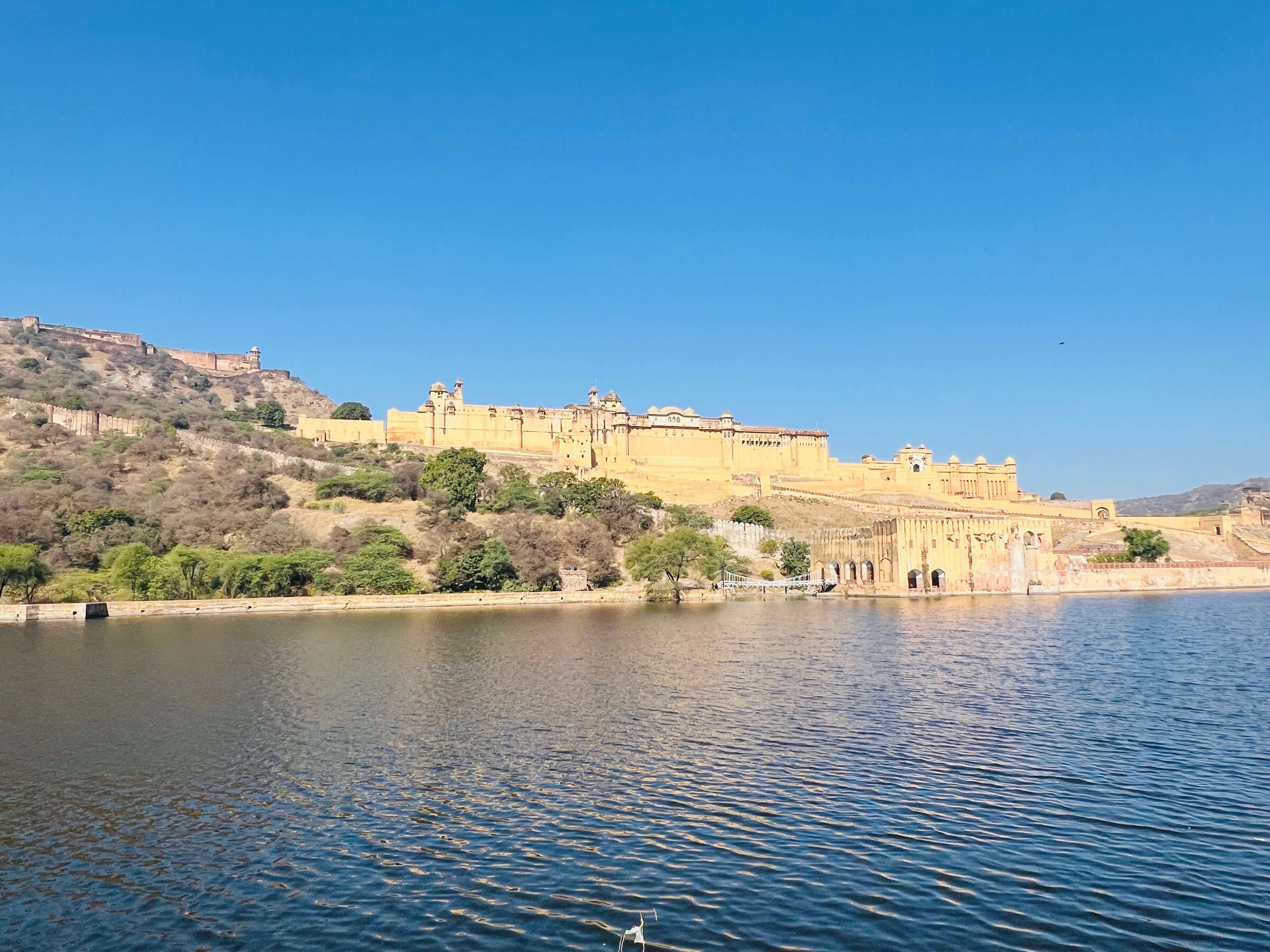
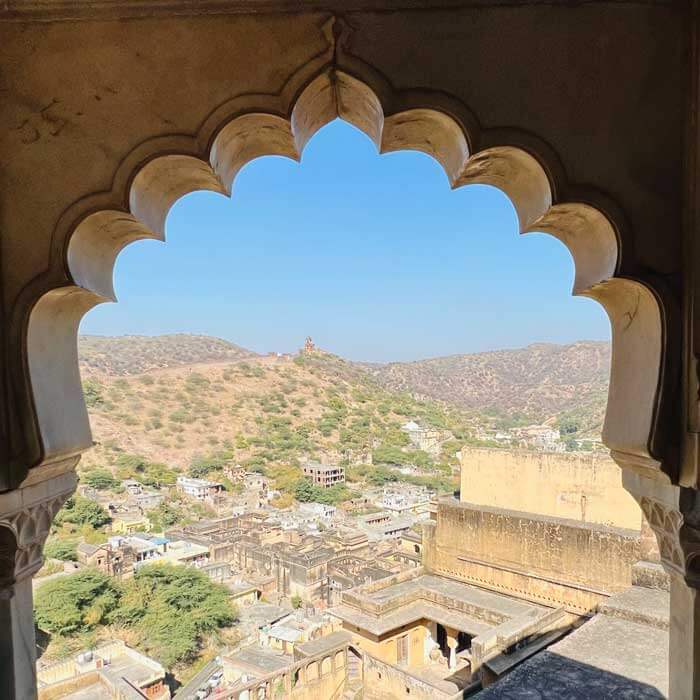
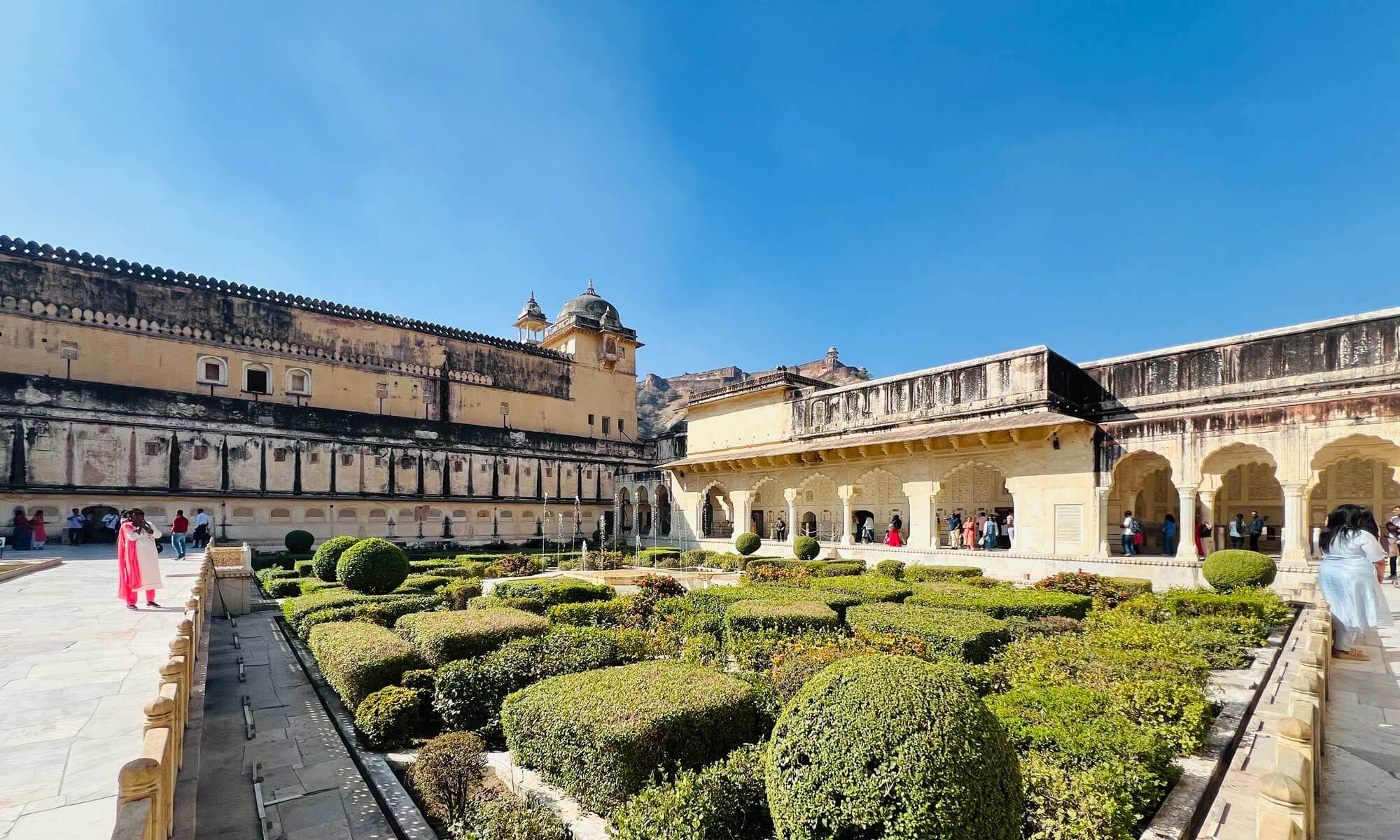
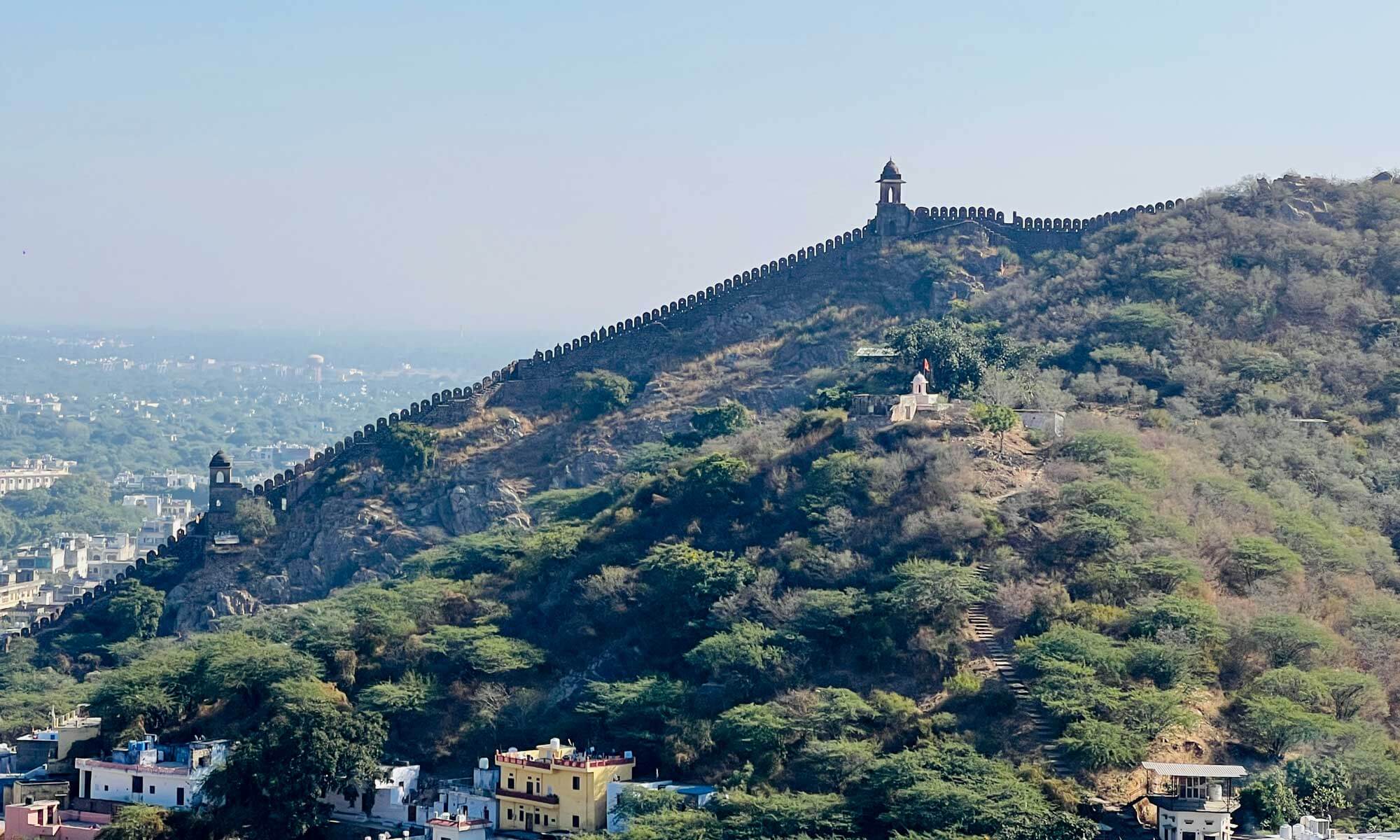
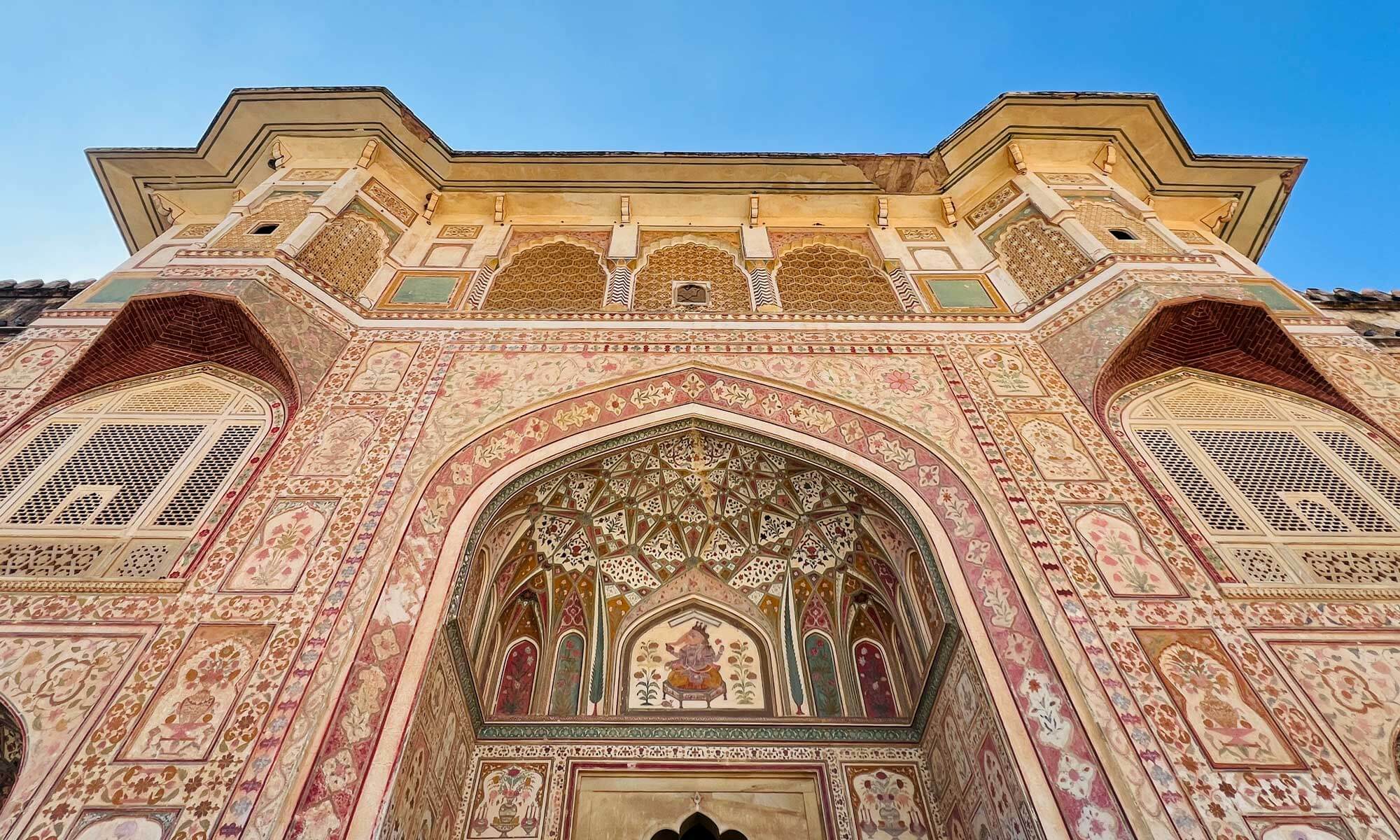
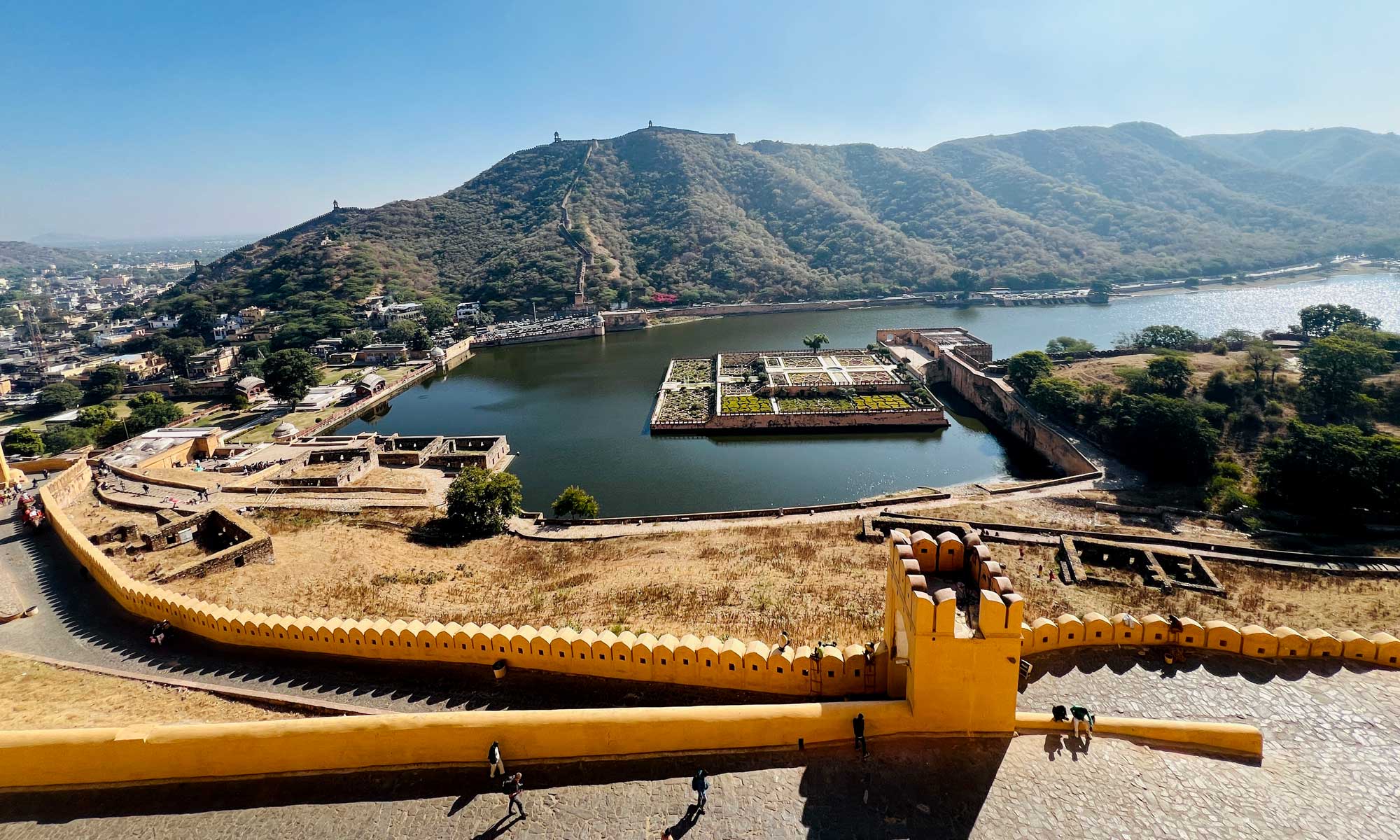
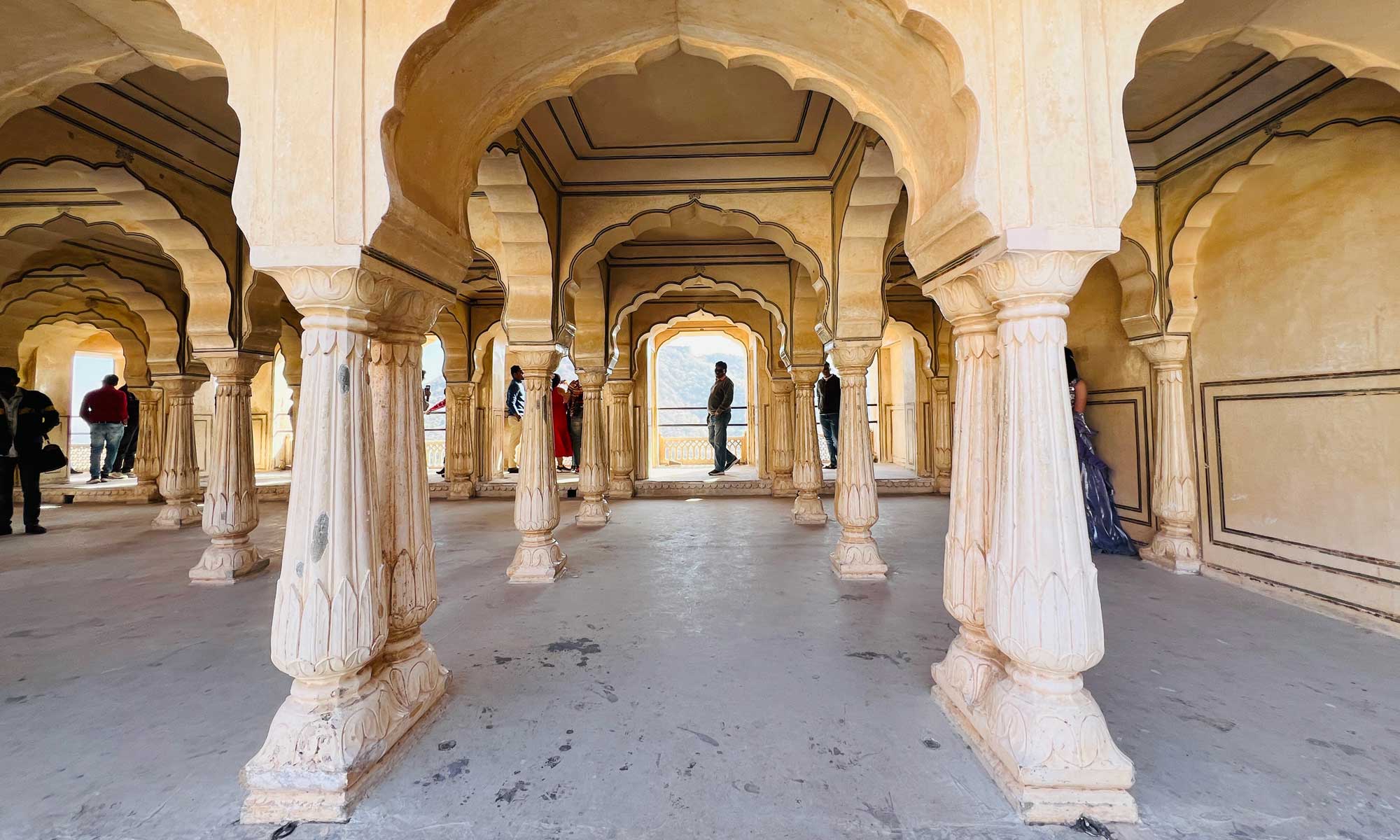
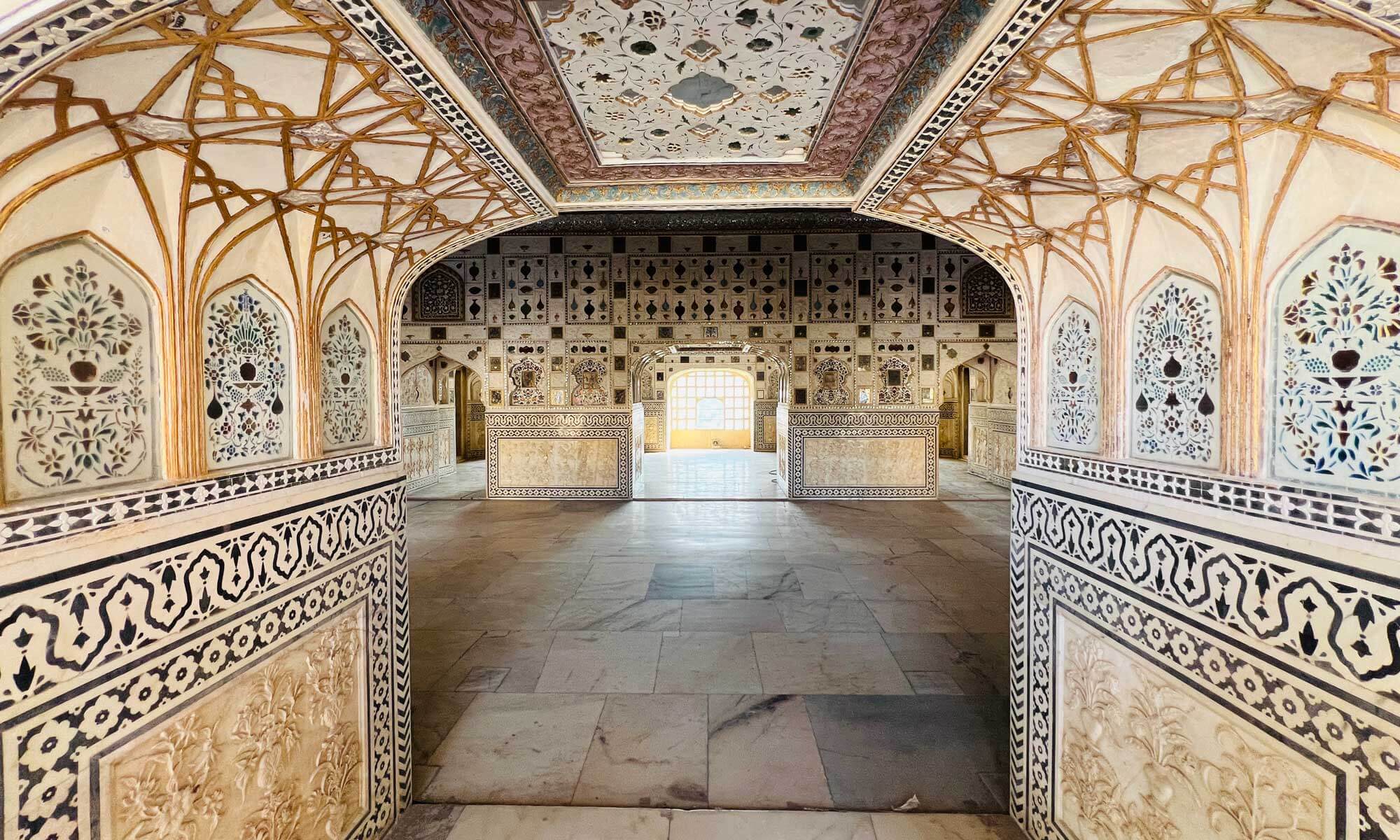
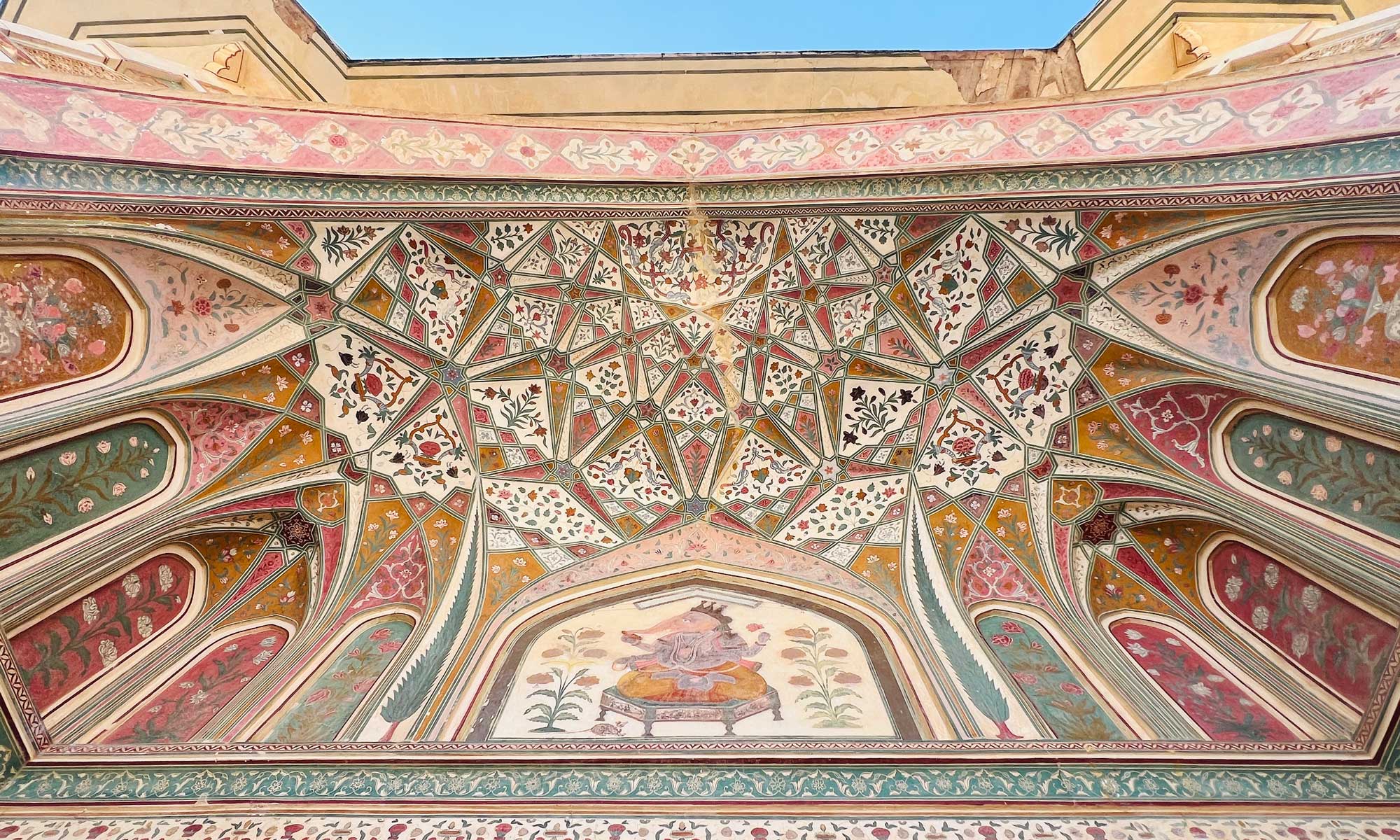
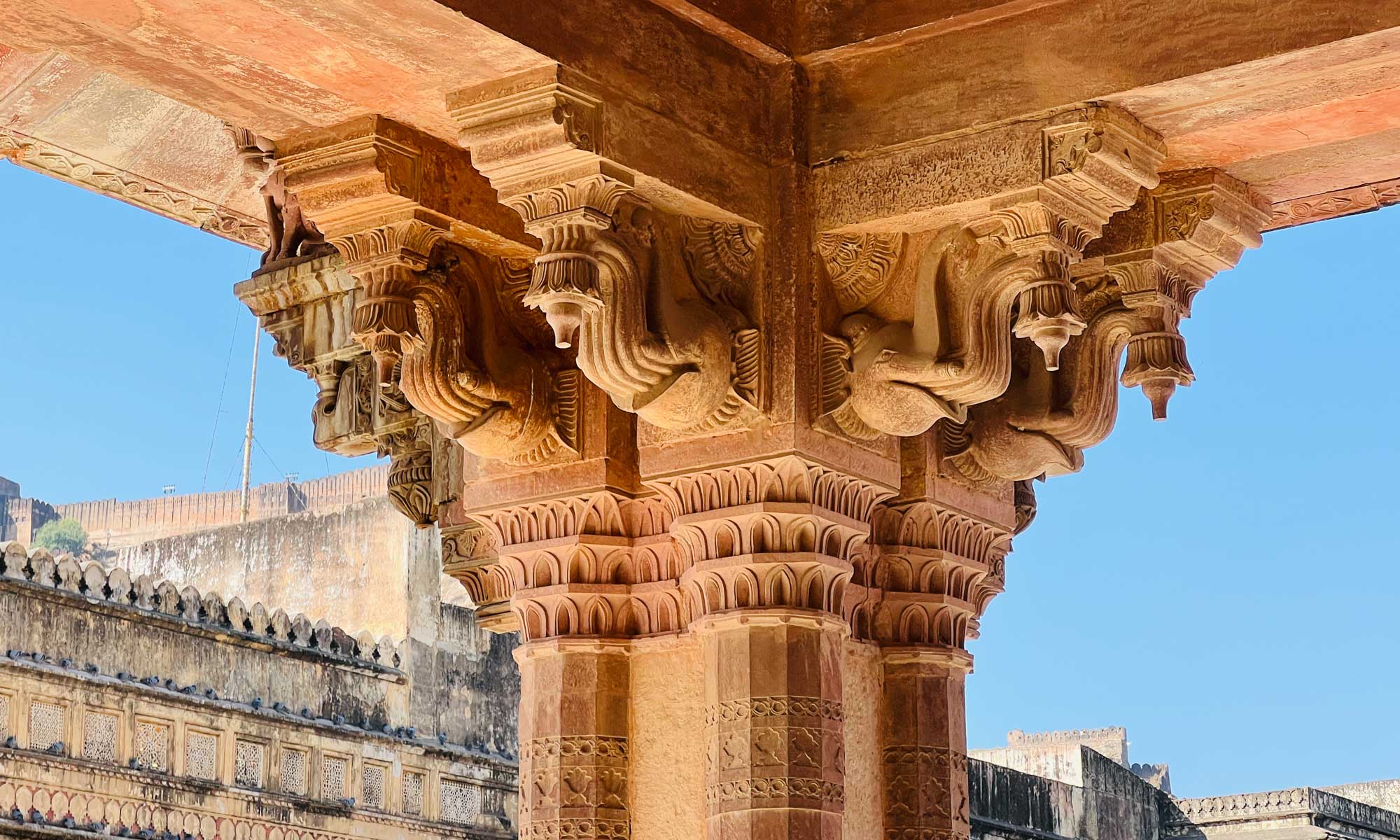
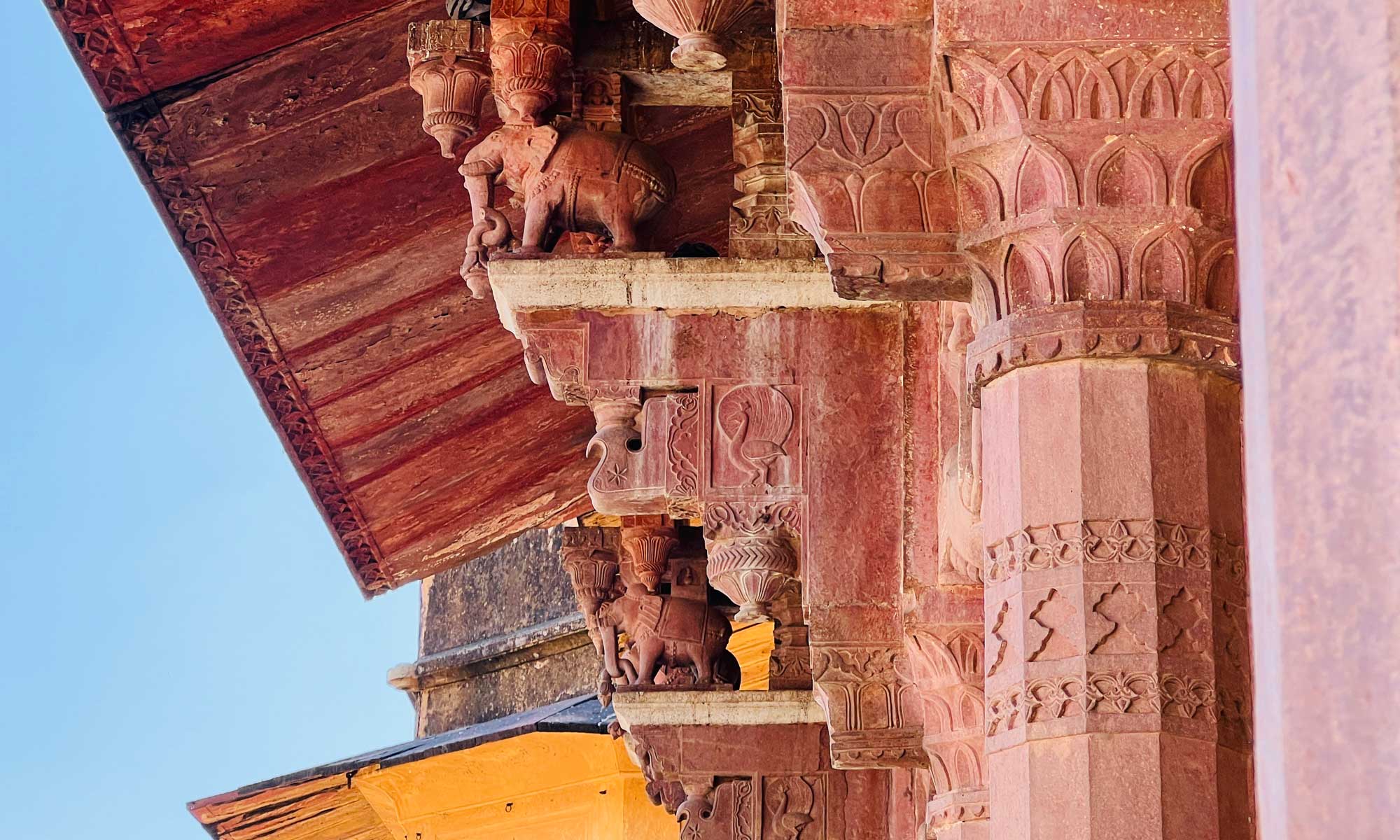
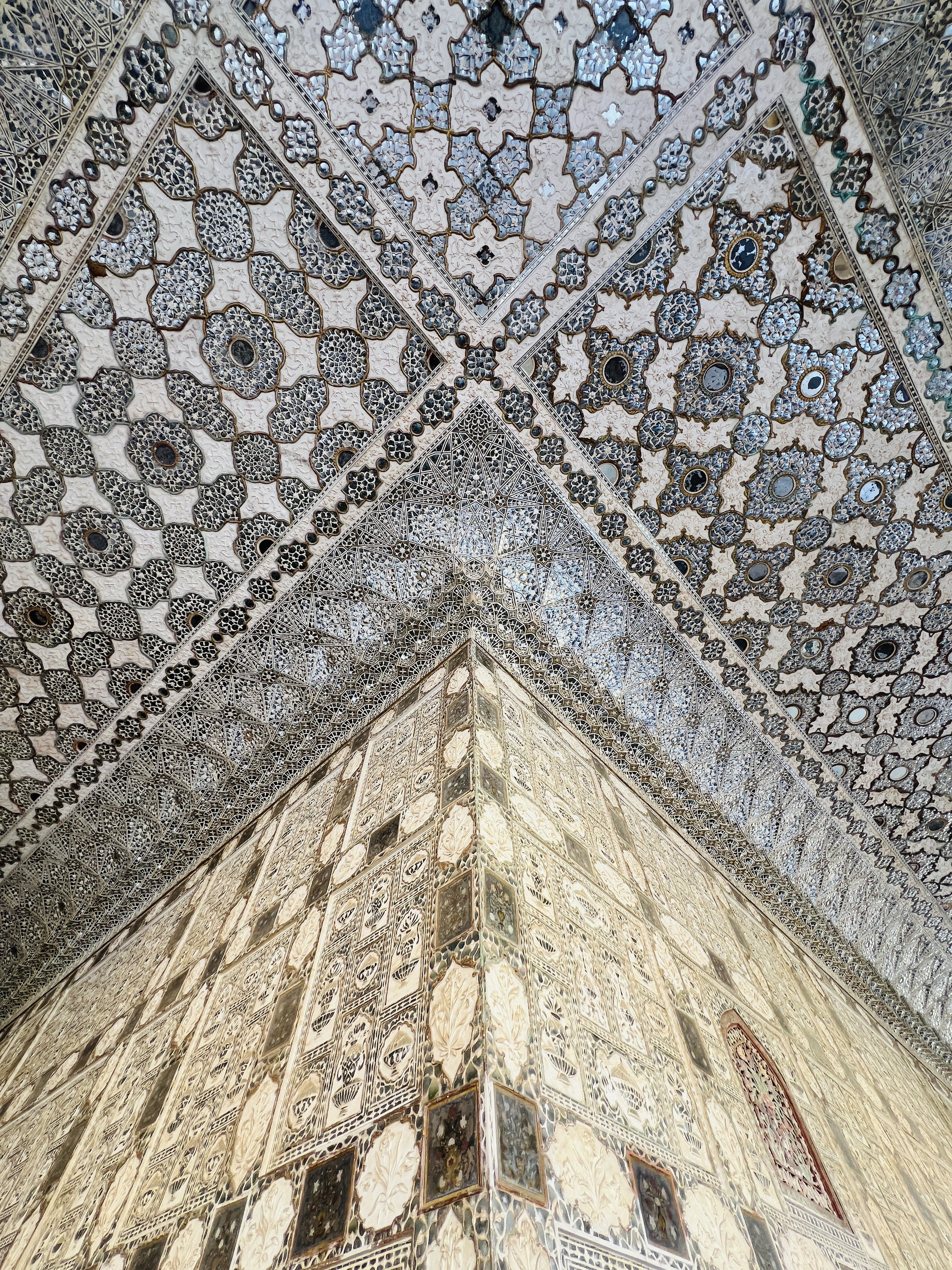
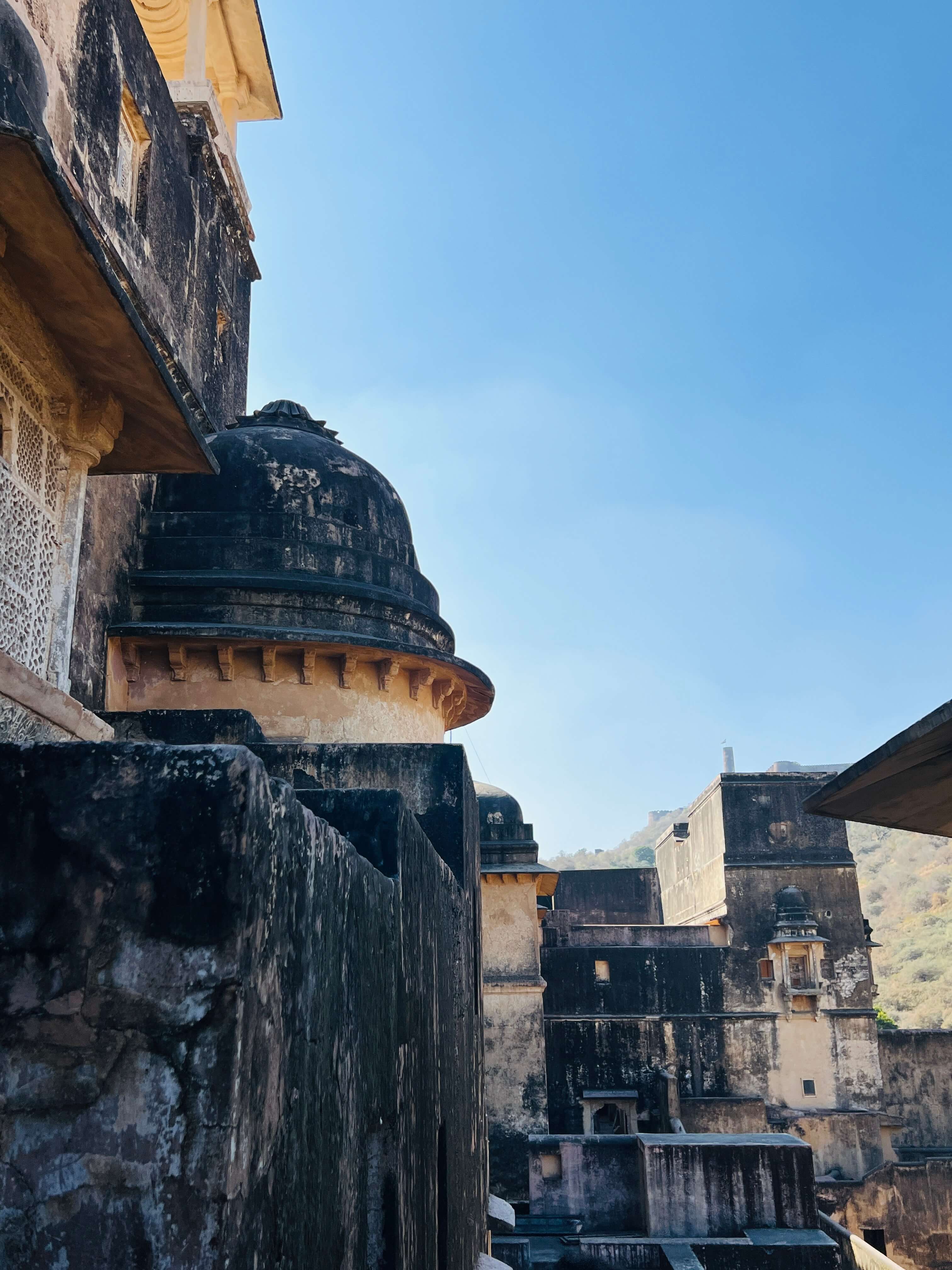
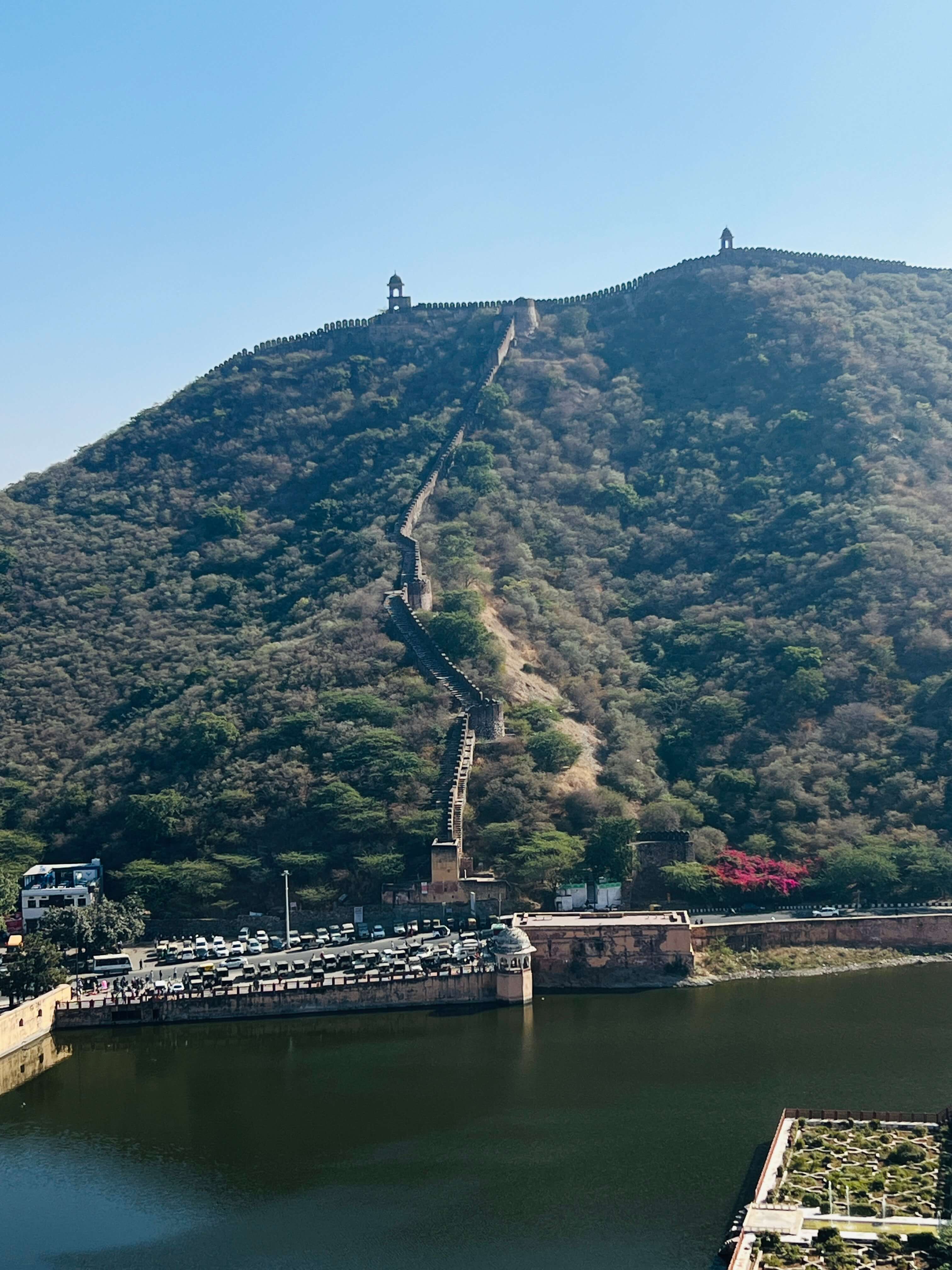
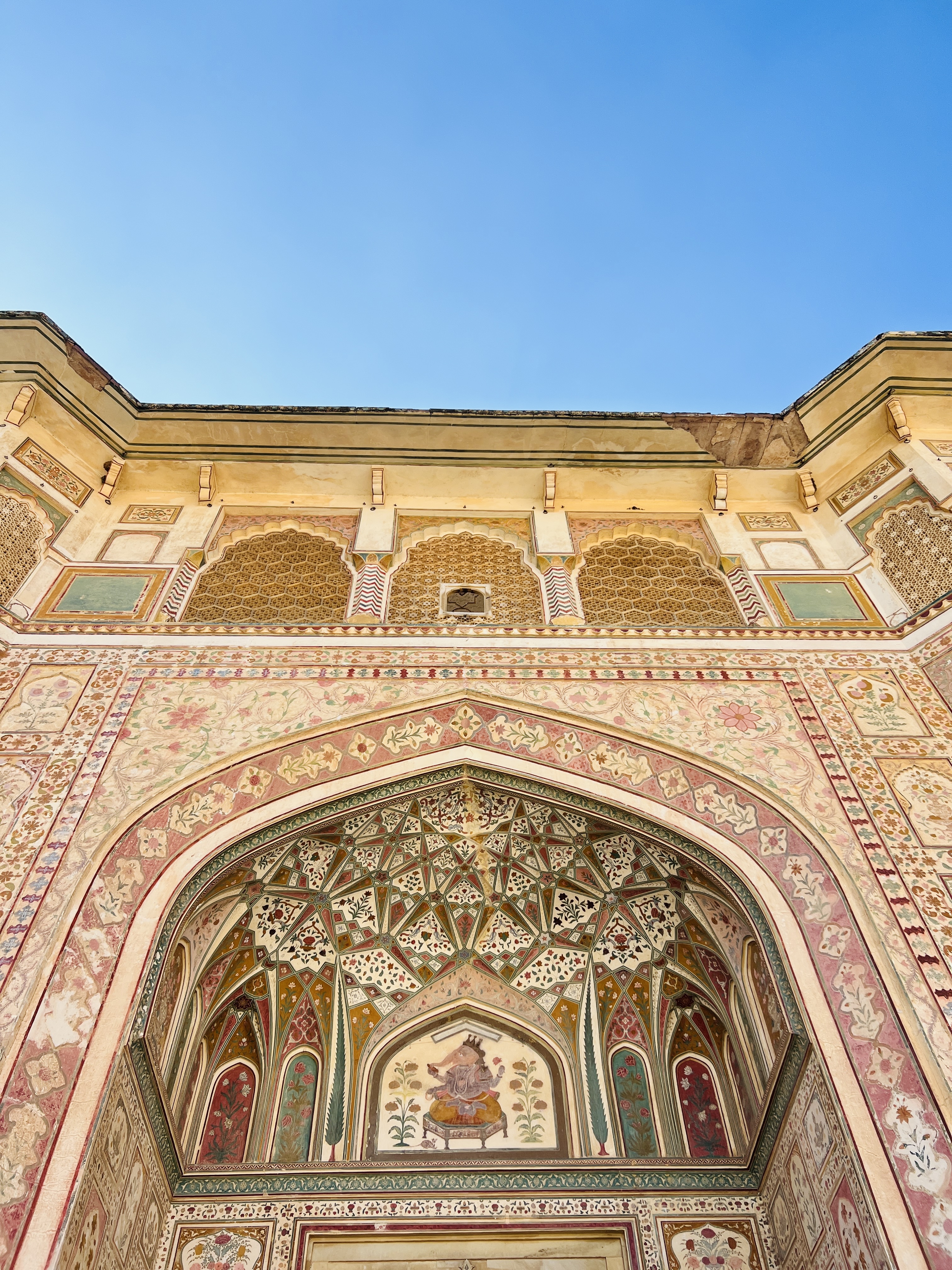
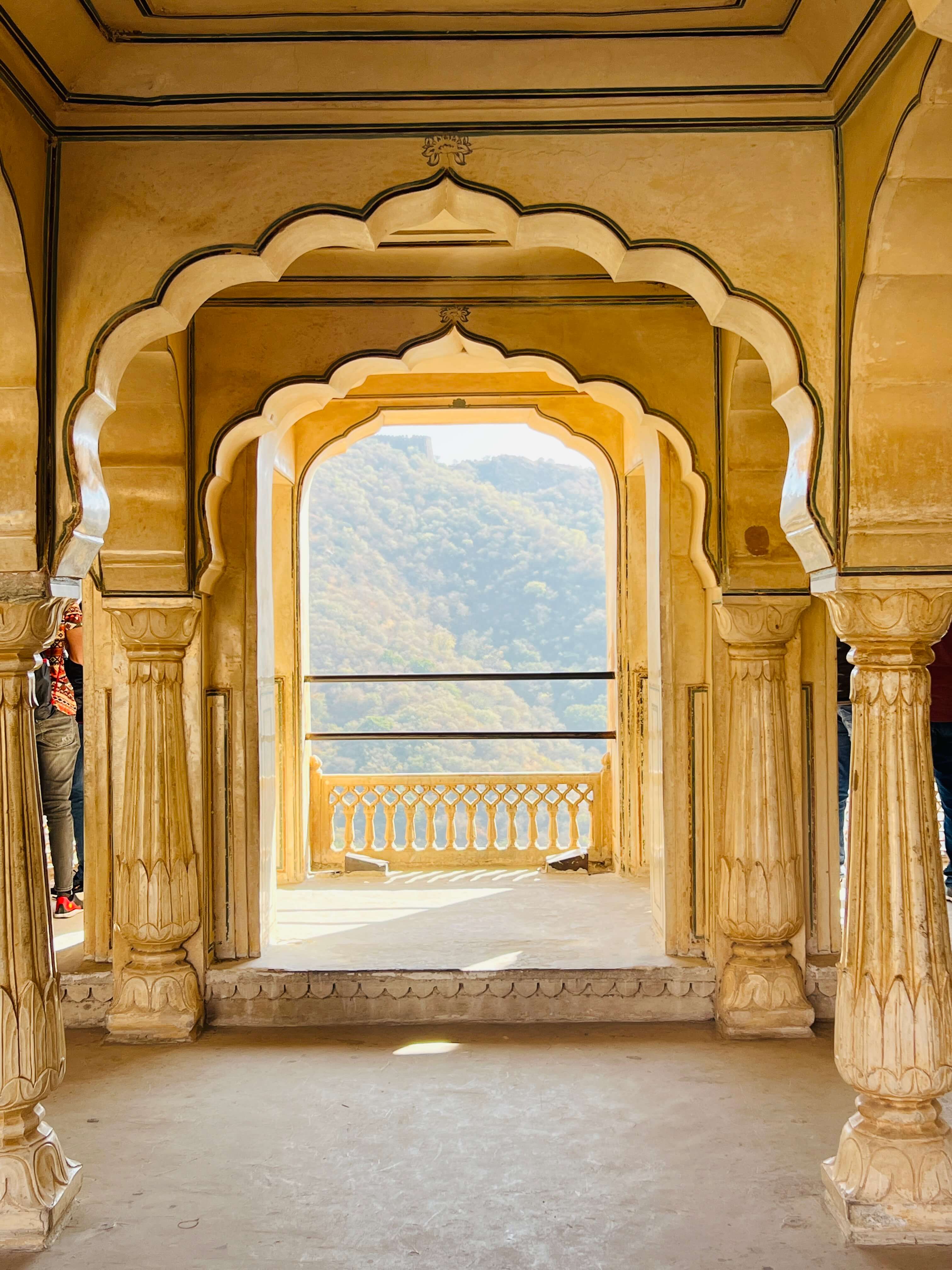
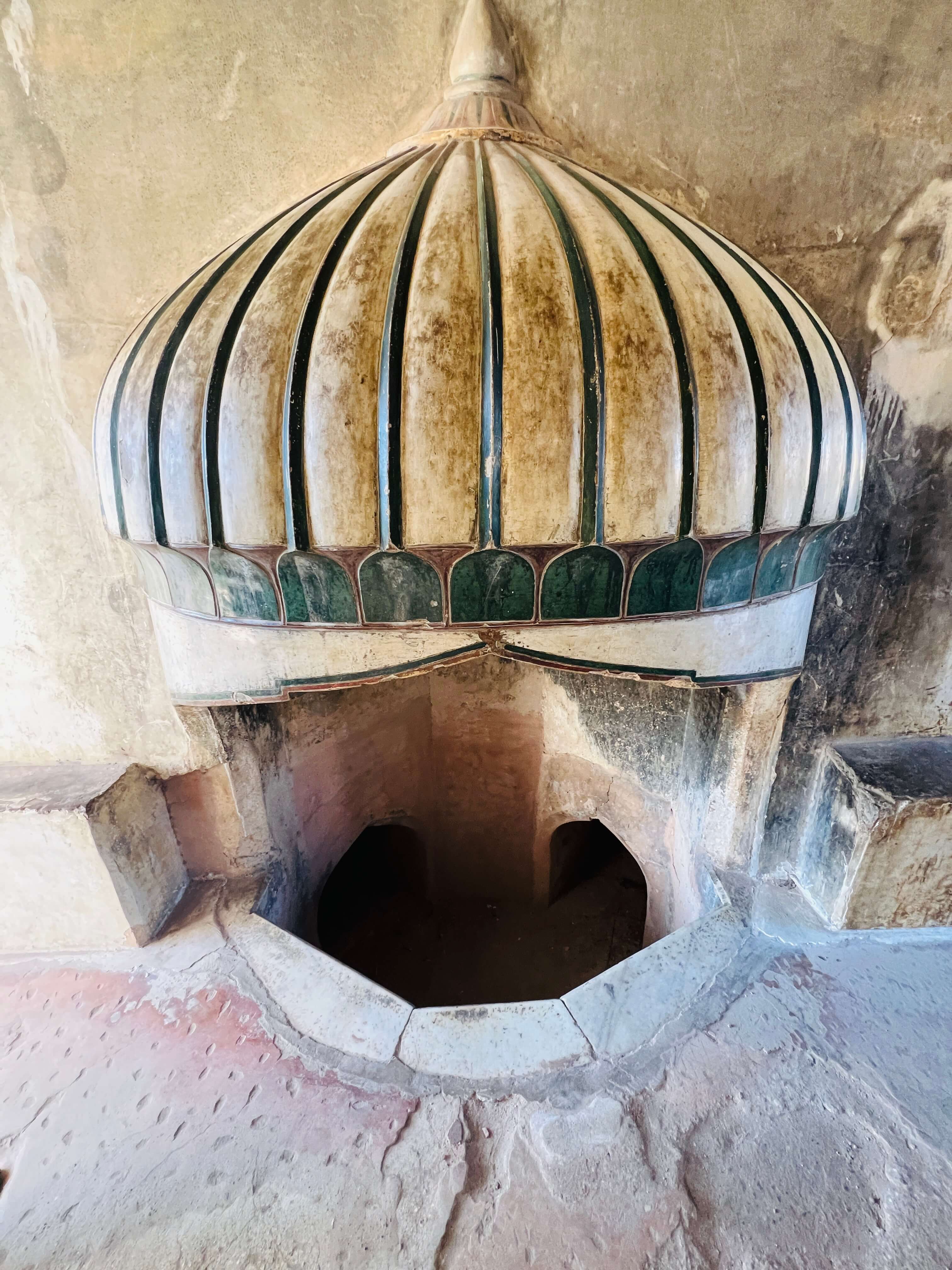
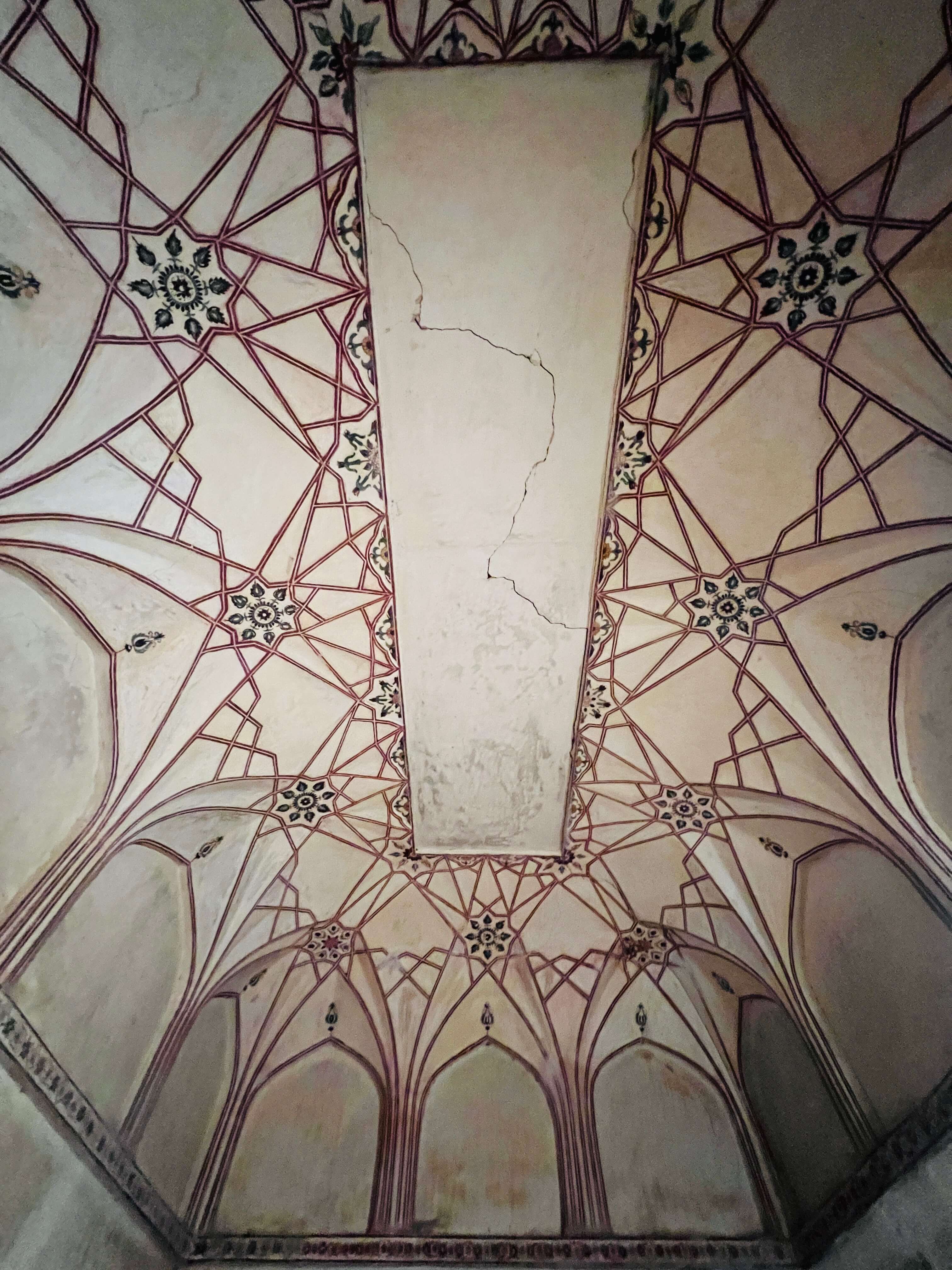
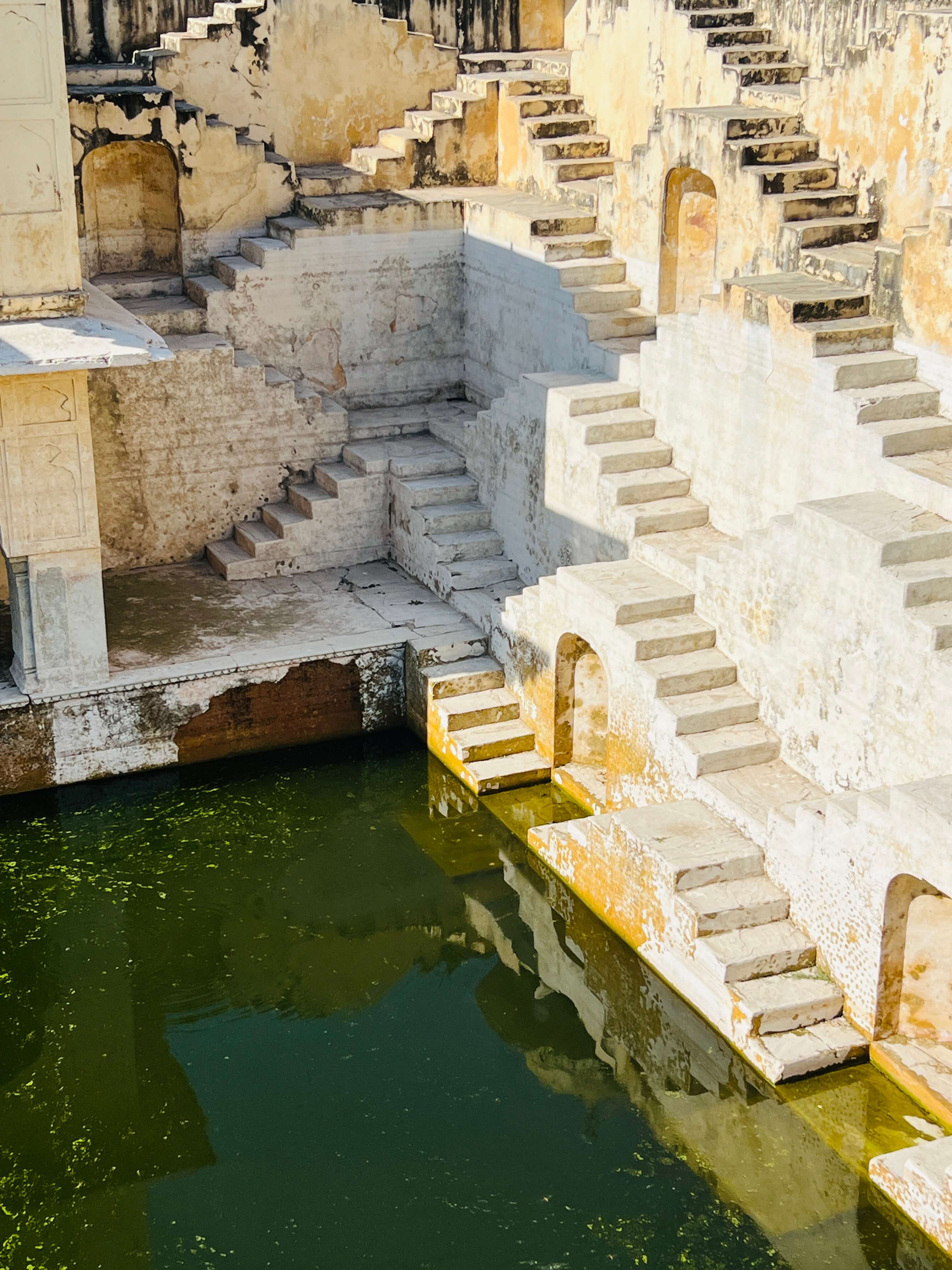
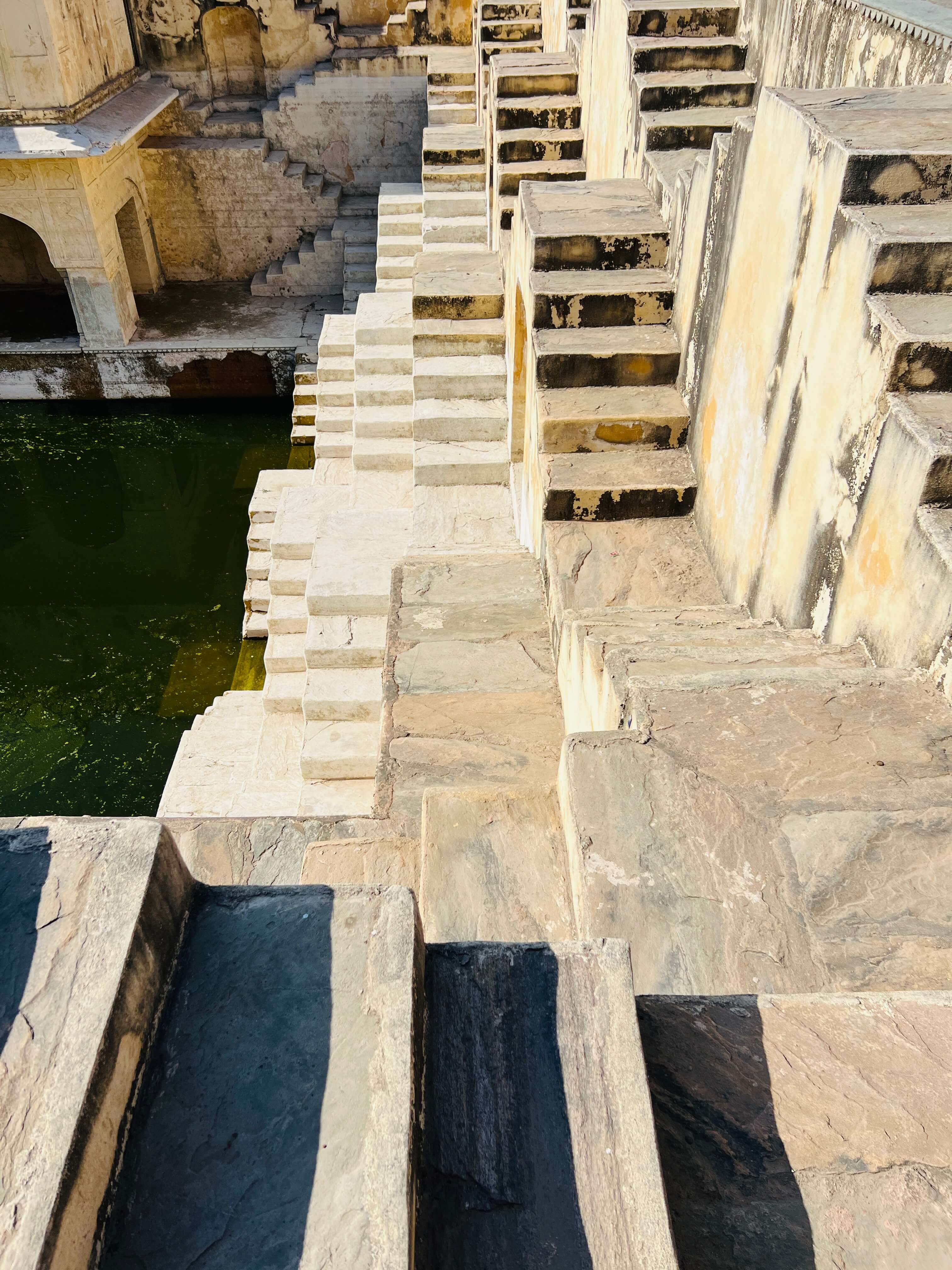
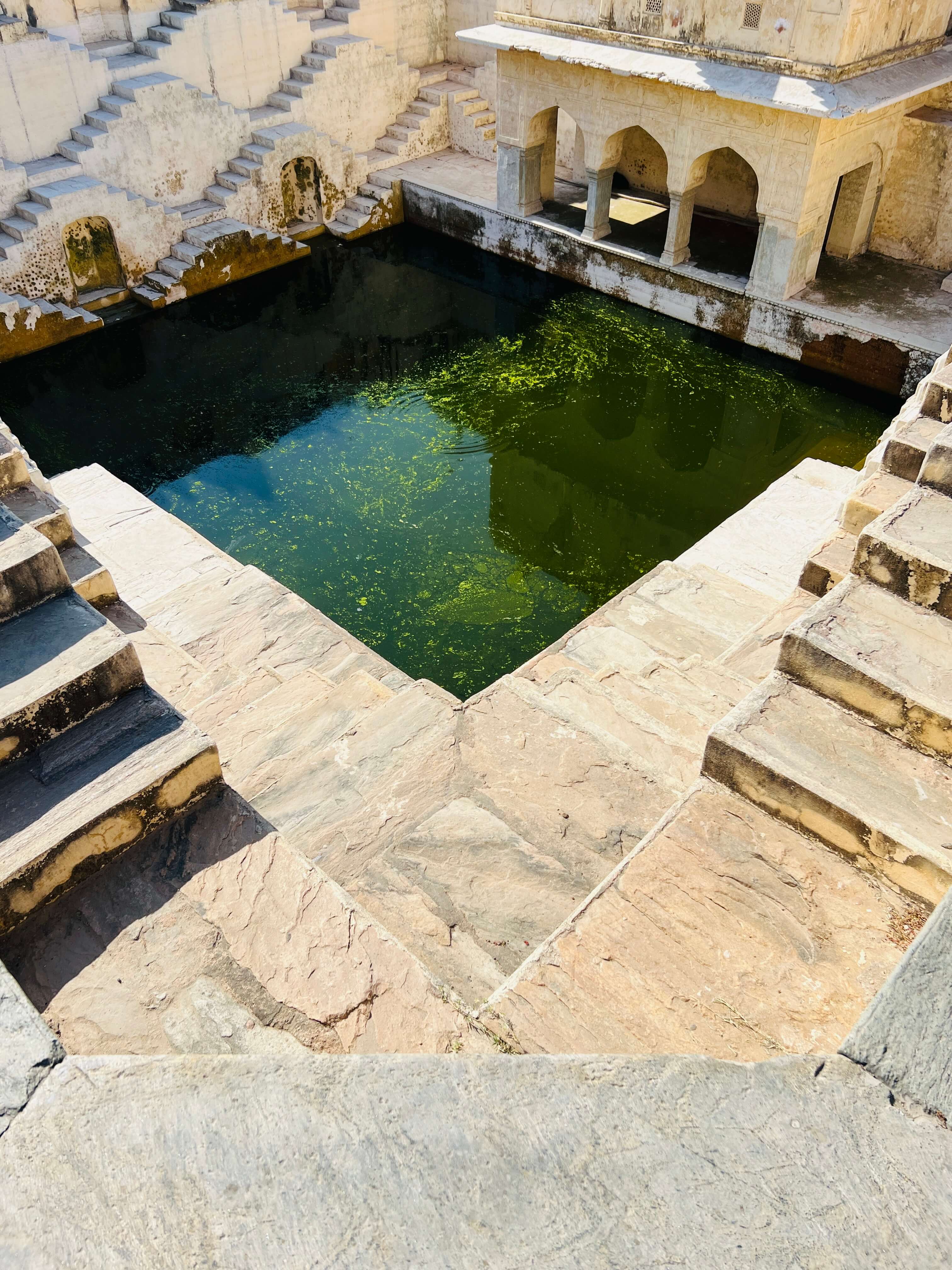
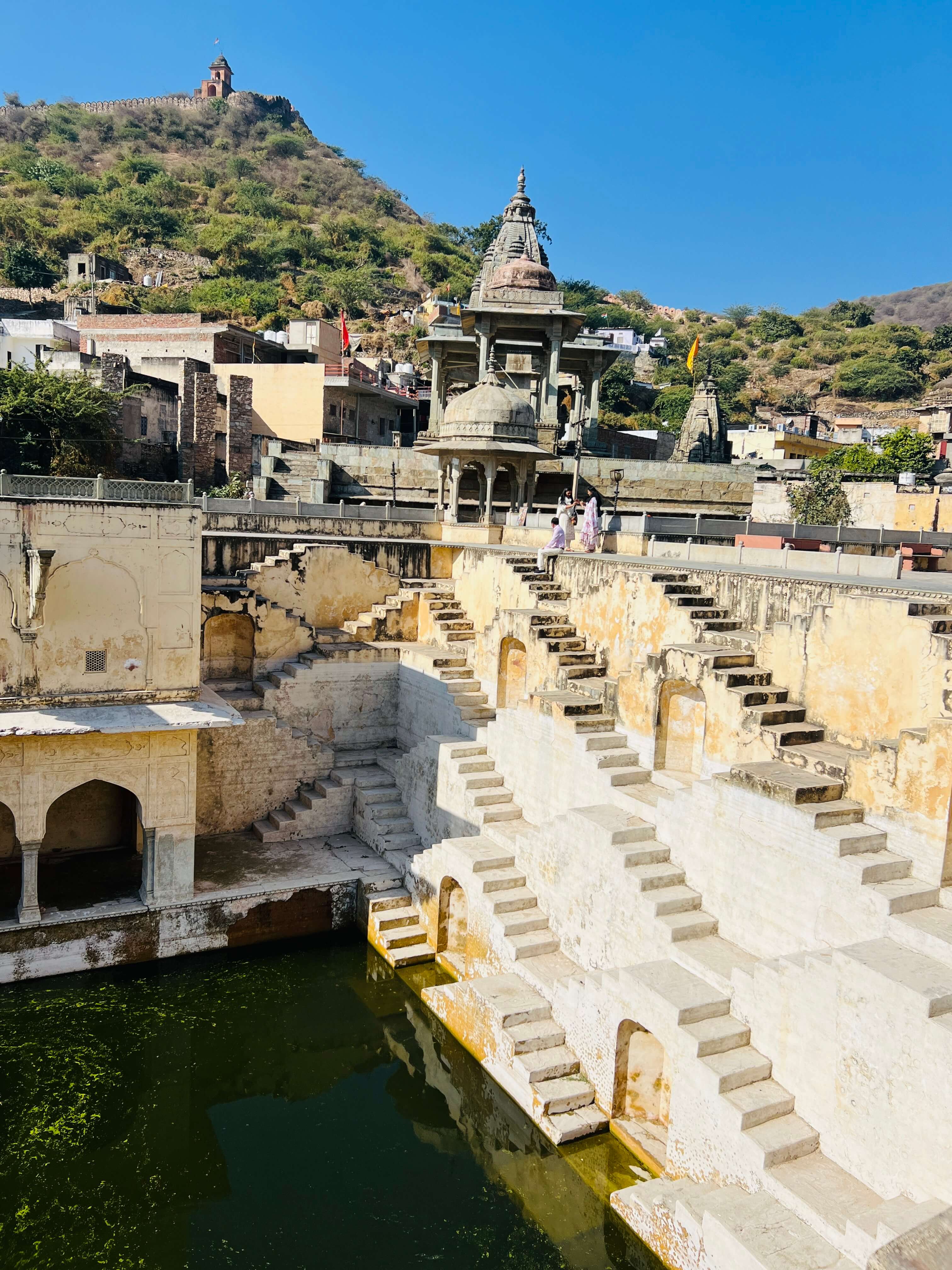
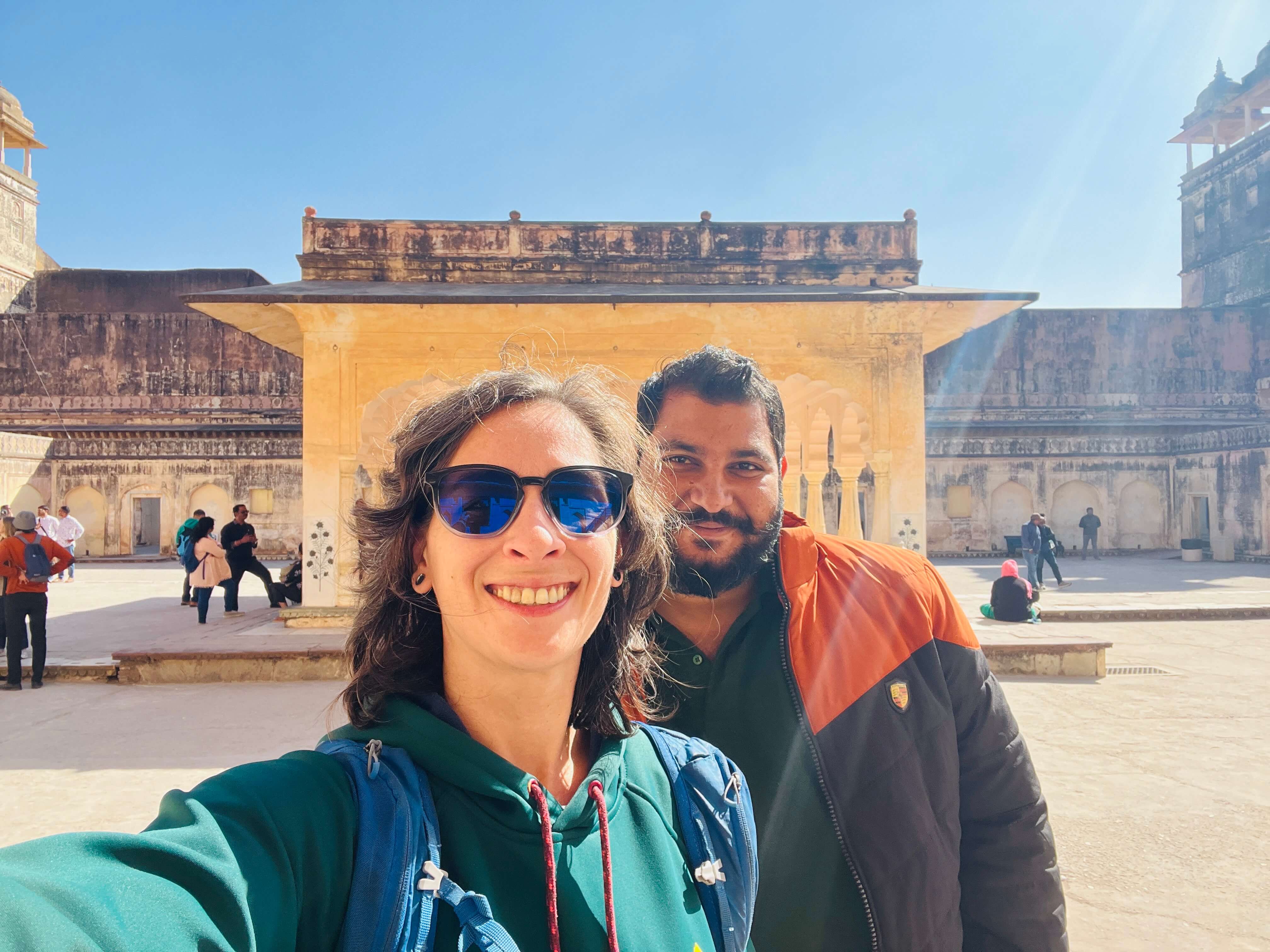
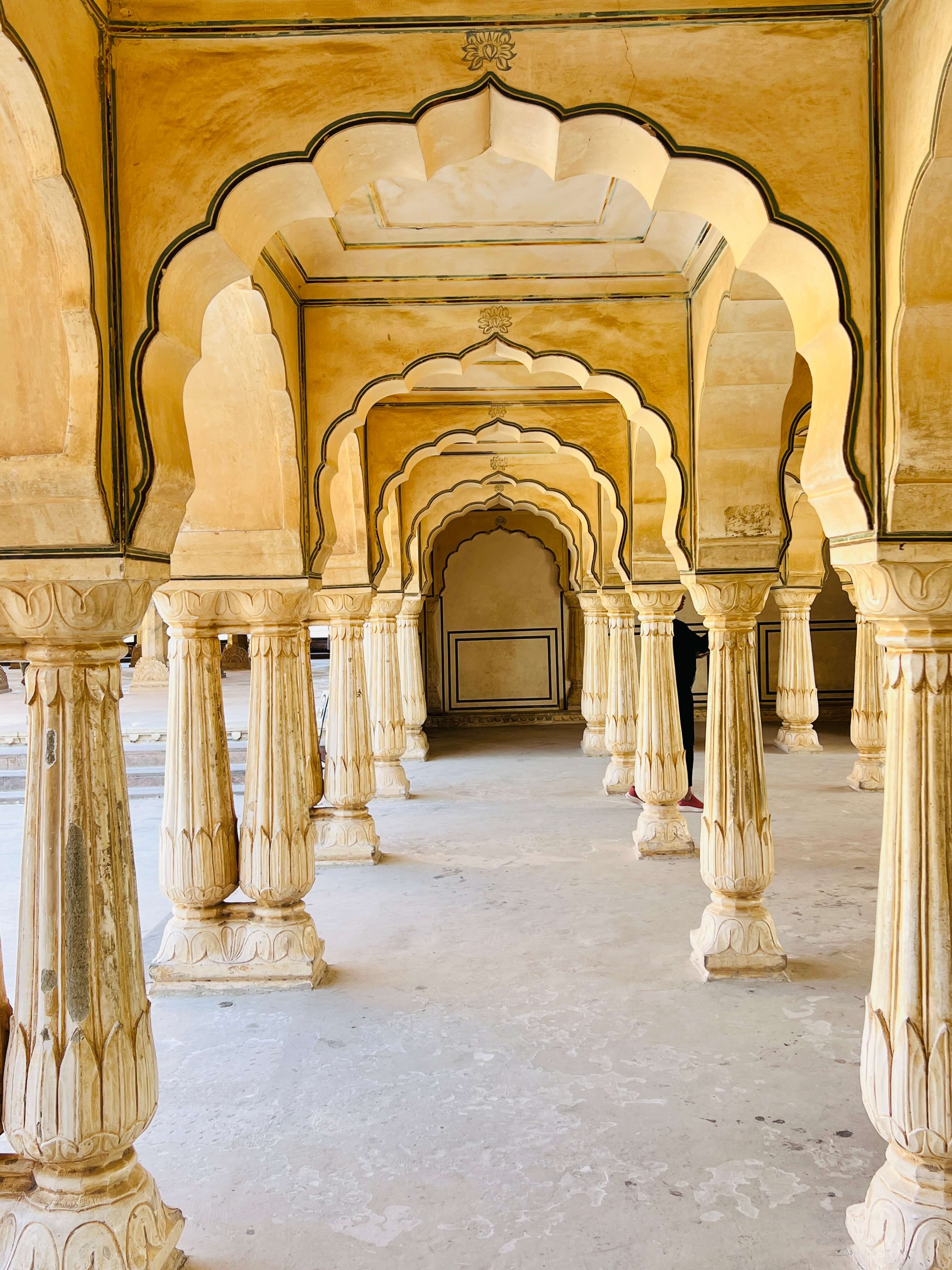
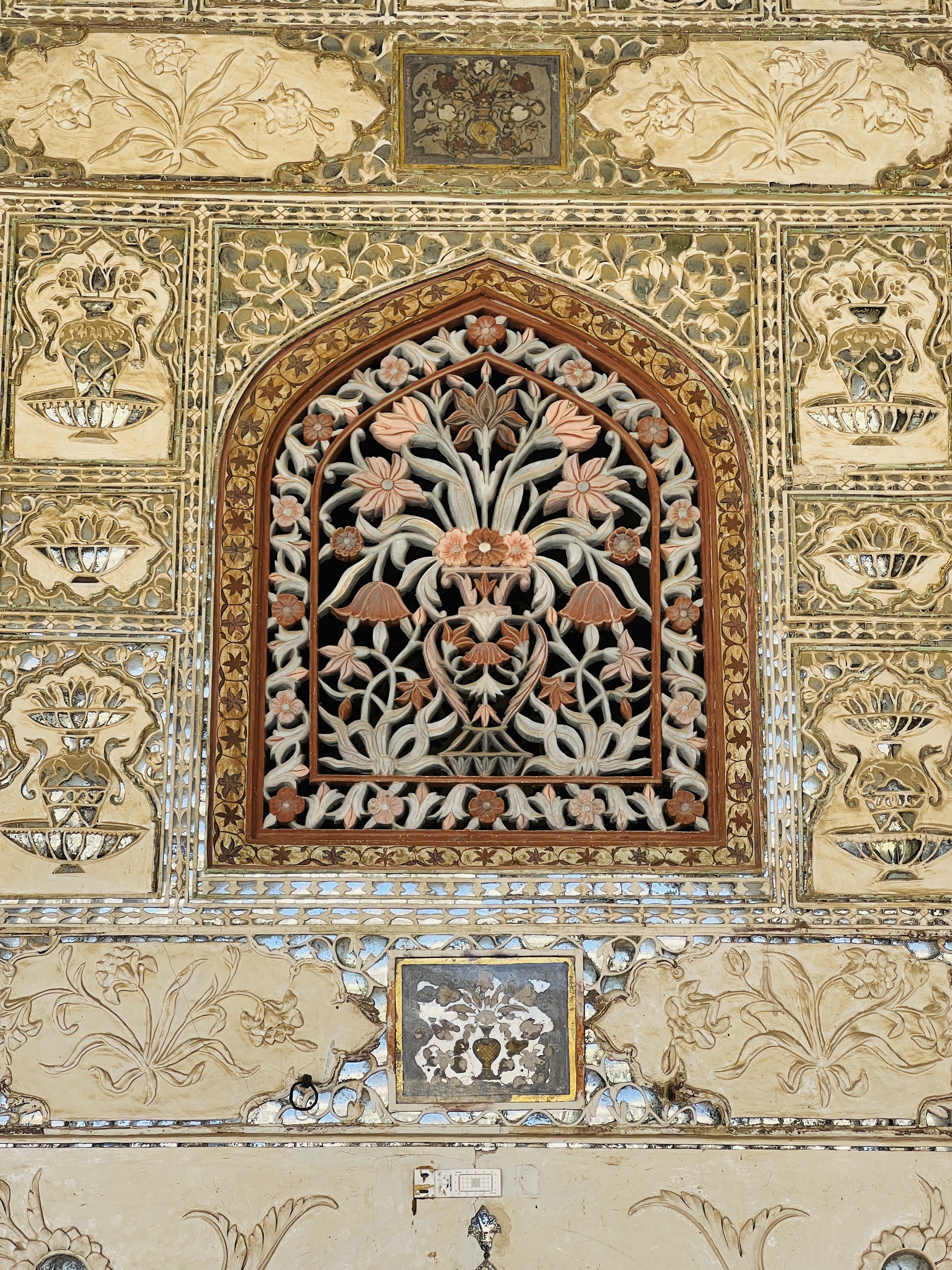
On the outskirts rises Amber Fort, a huge fortress zigzagging up the mountain. The visit takes you through corridors, courtyards and walls that seem never to end, always with panoramic views across the valley. Very close by lies an ancient stepwell, hidden between houses and dirt tracks. Two places showing the most historic and resilient side of Rajasthan.
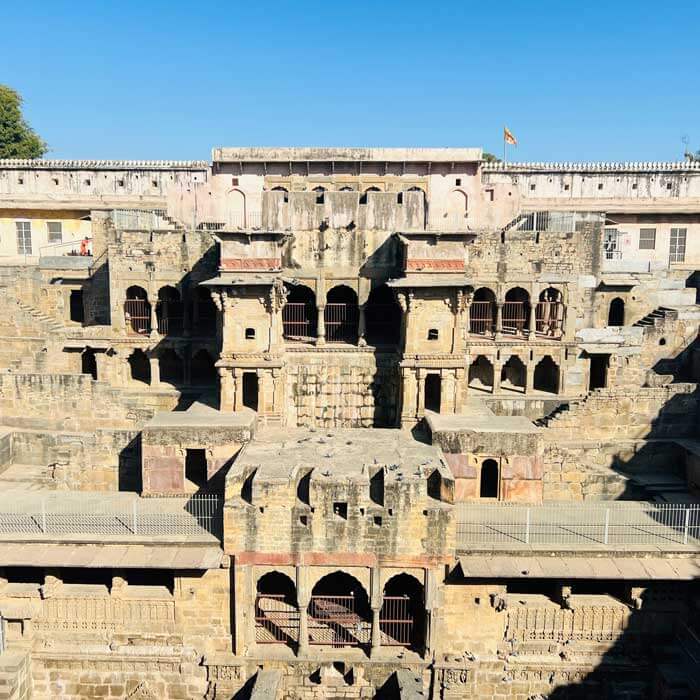
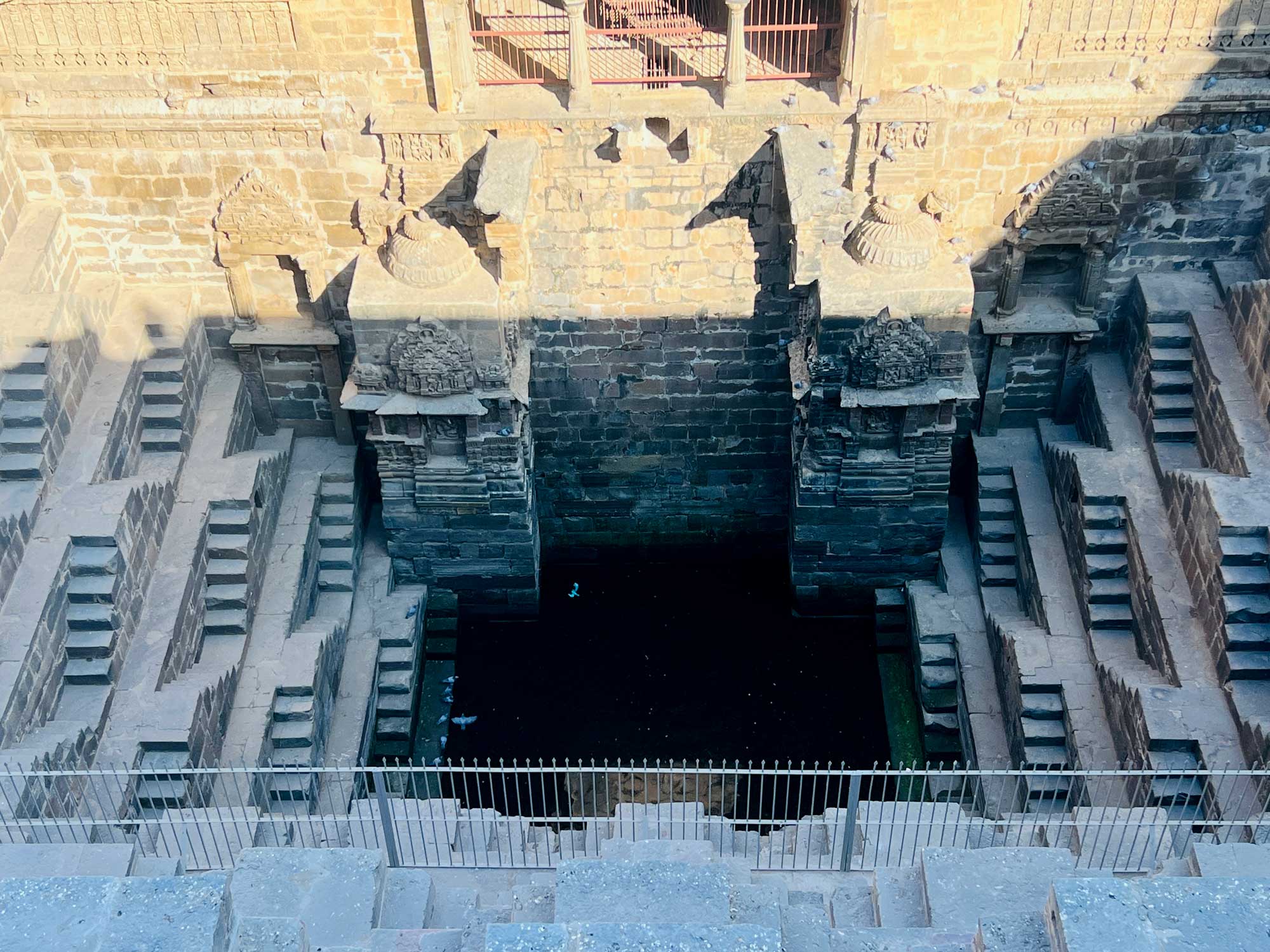
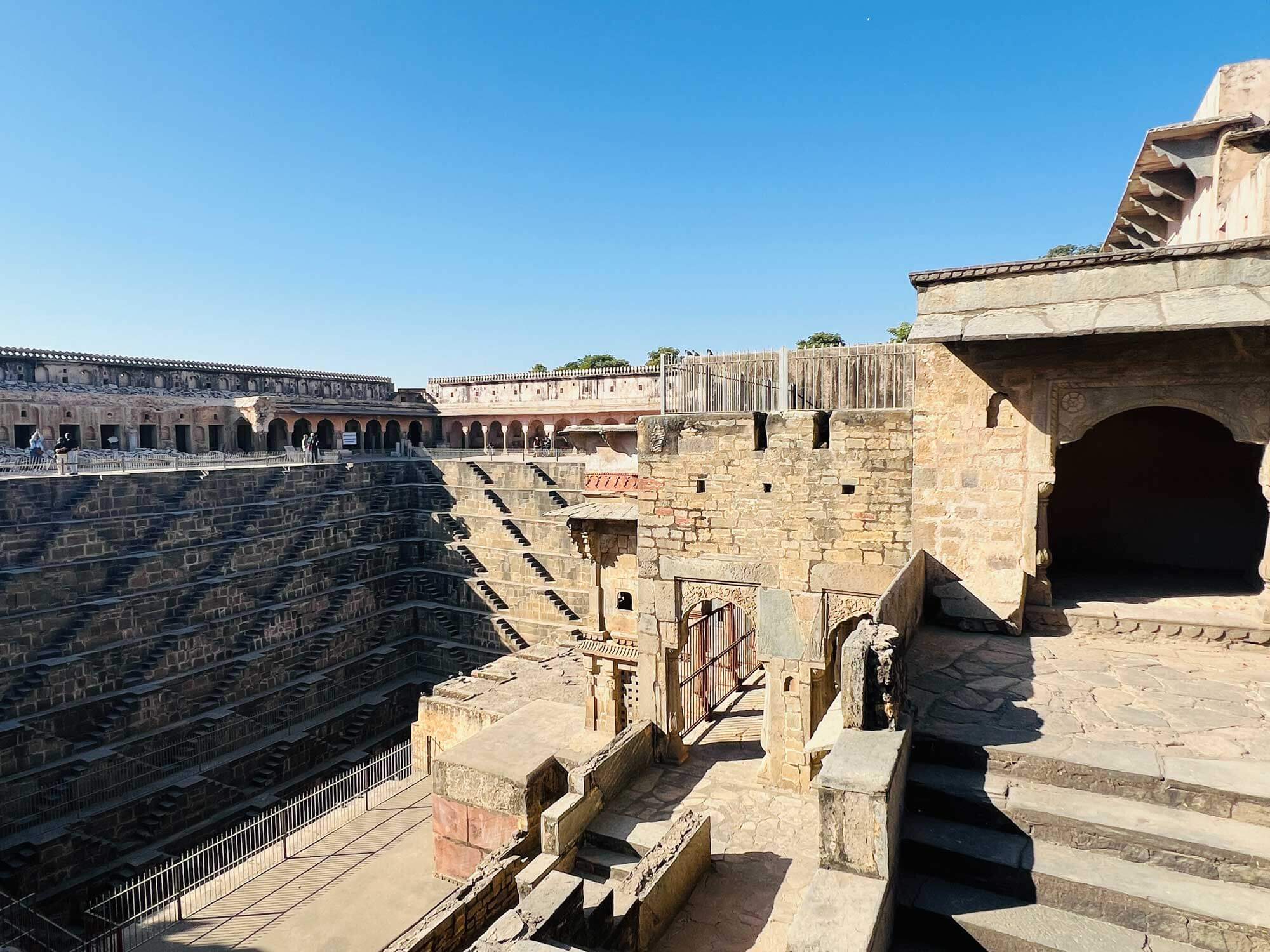
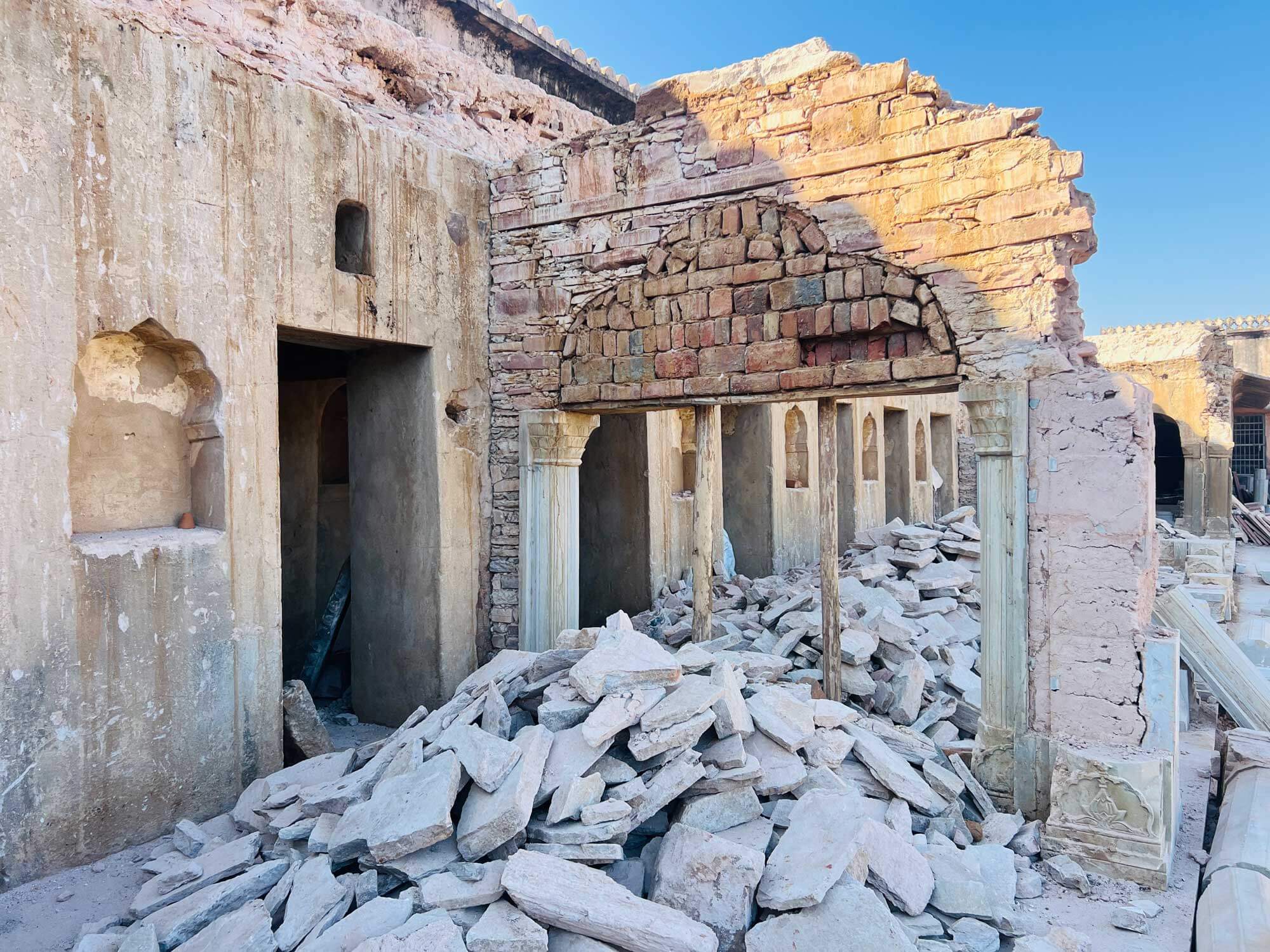
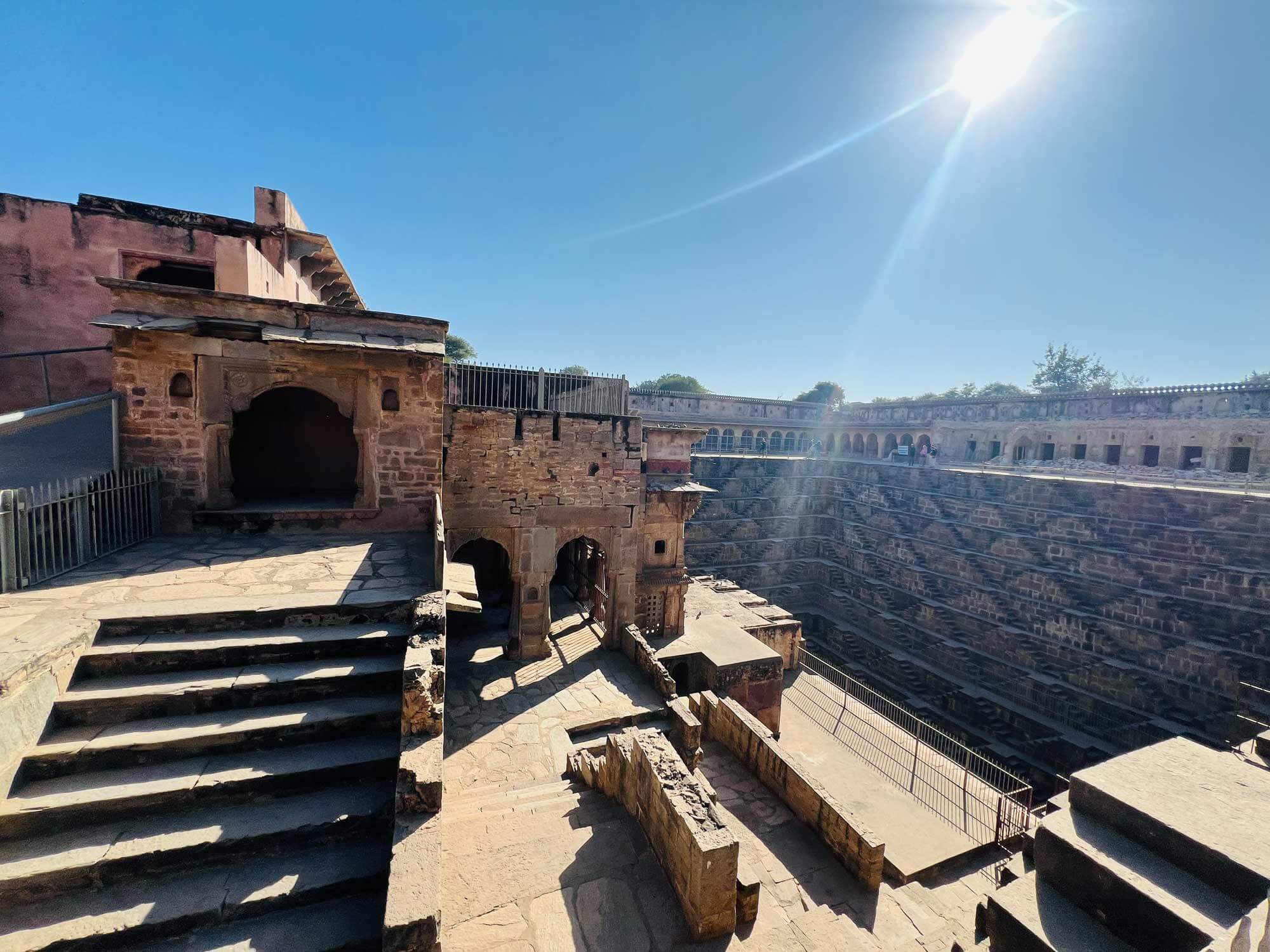
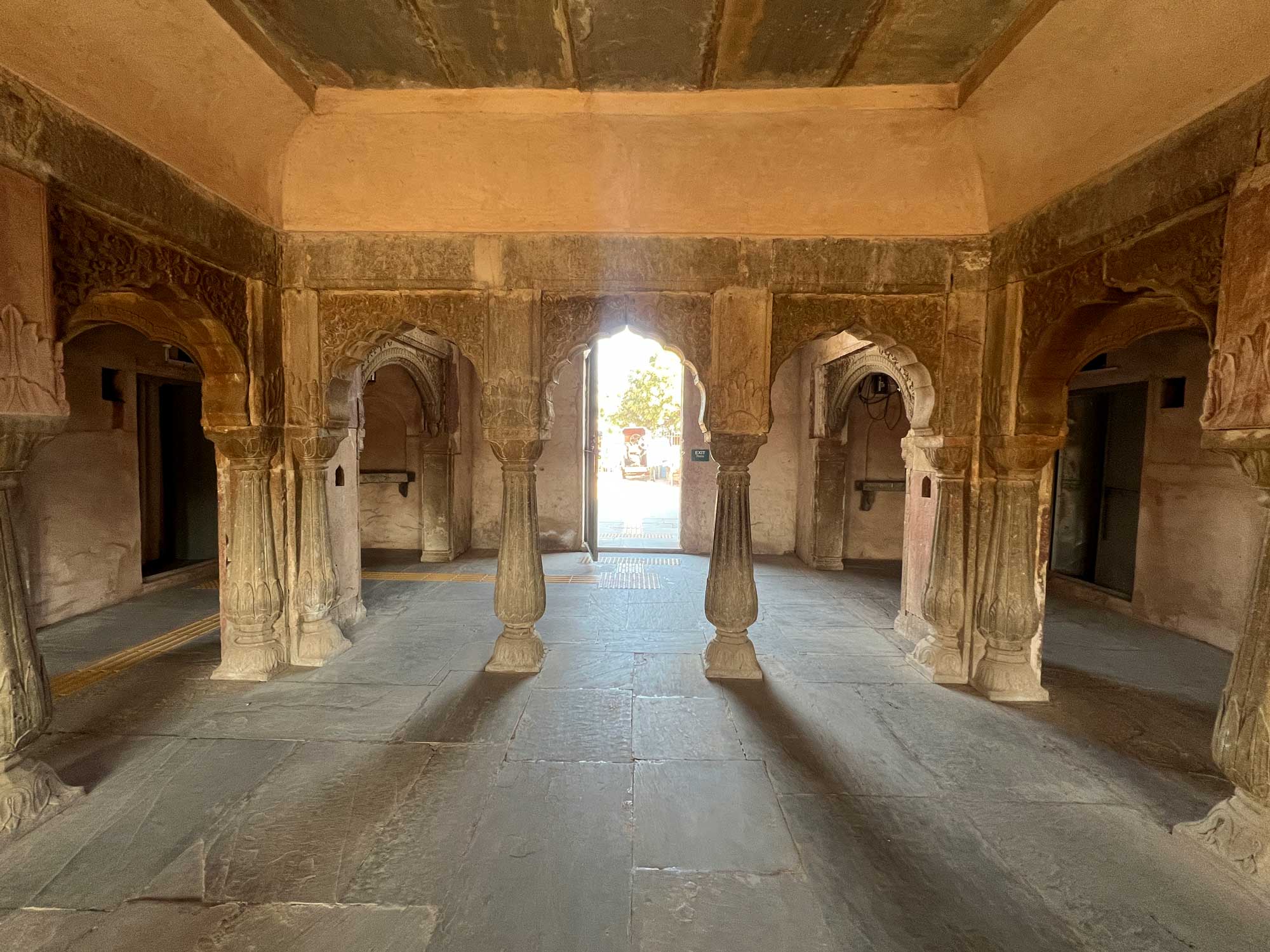
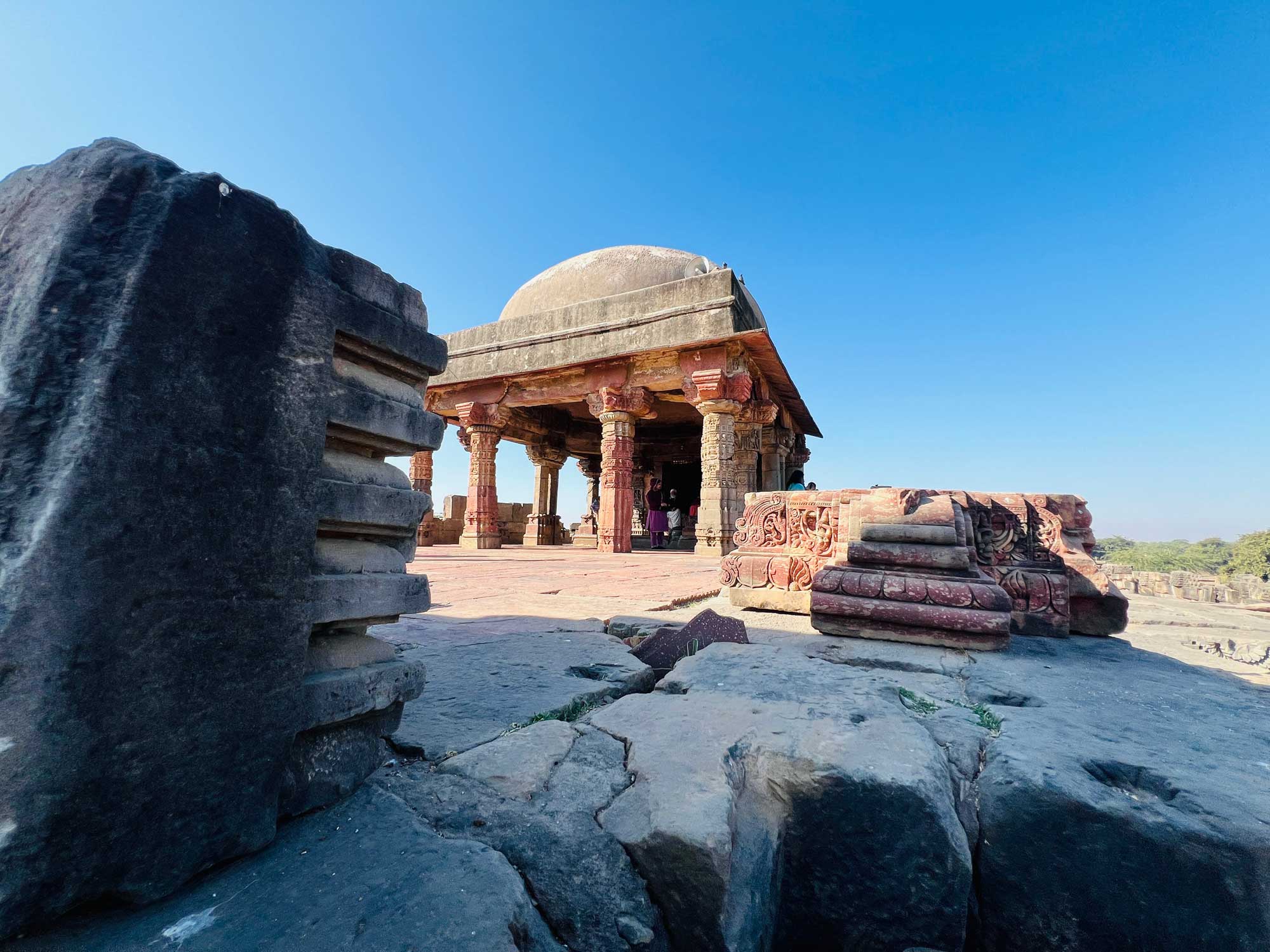
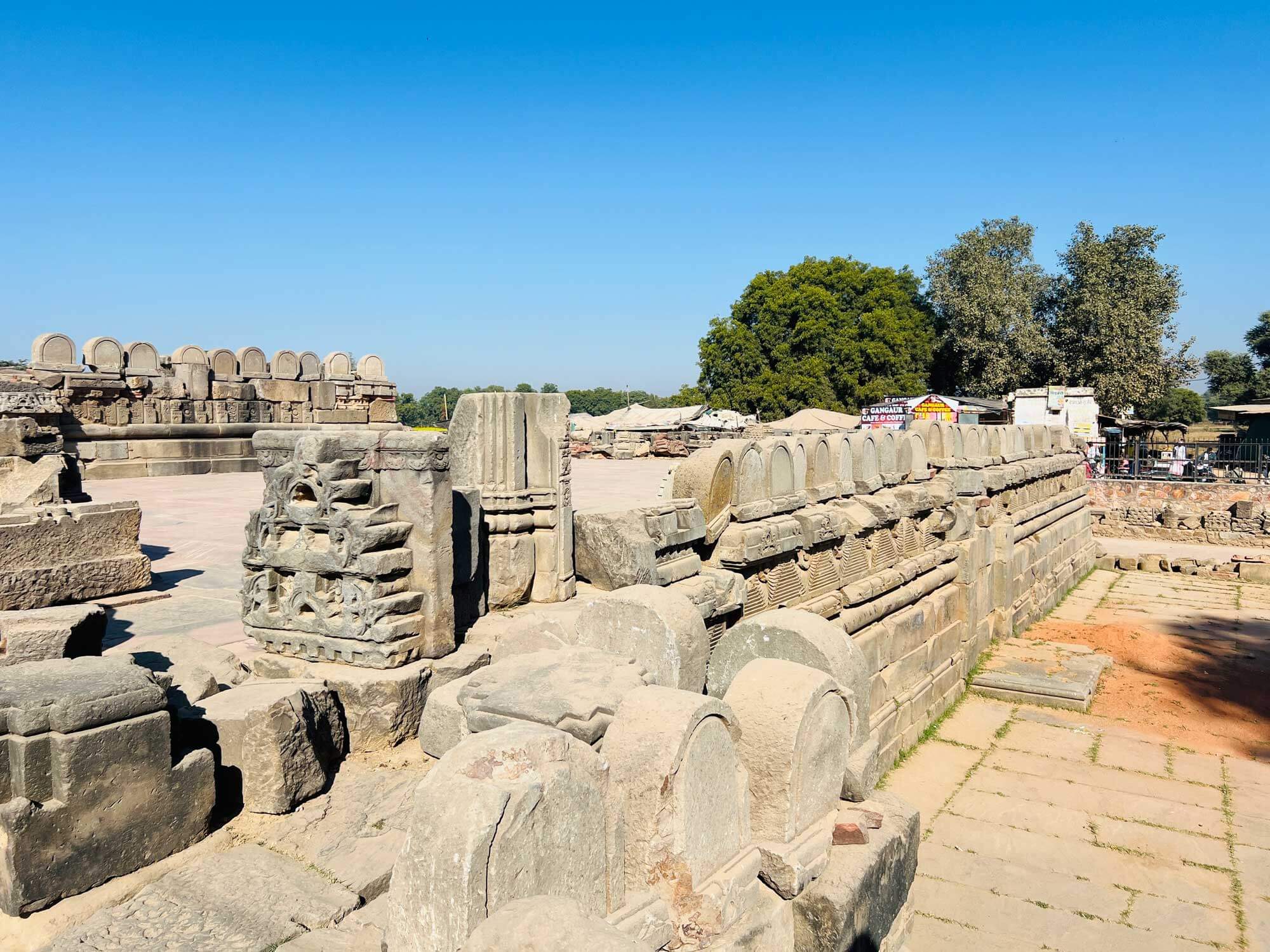
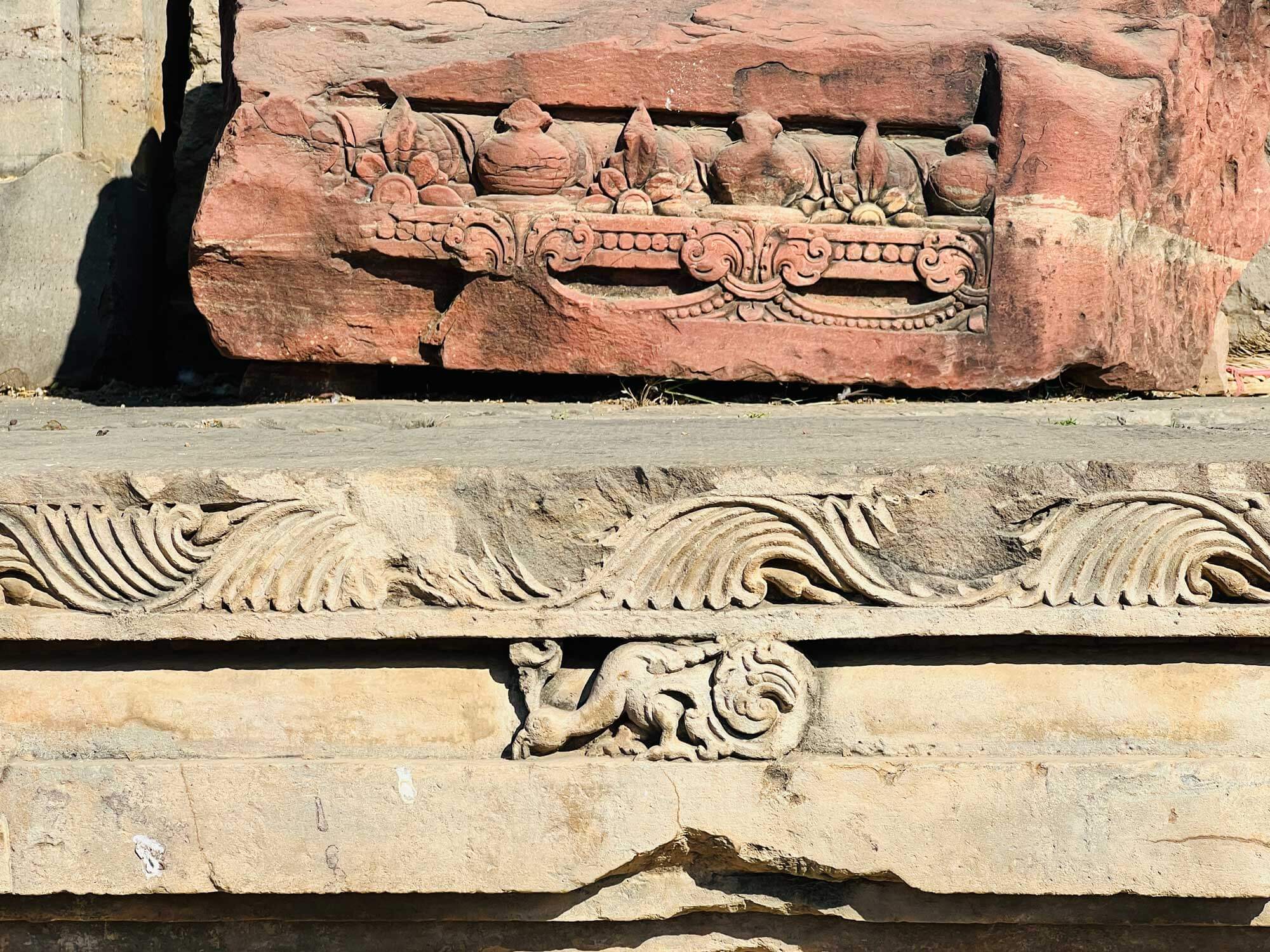
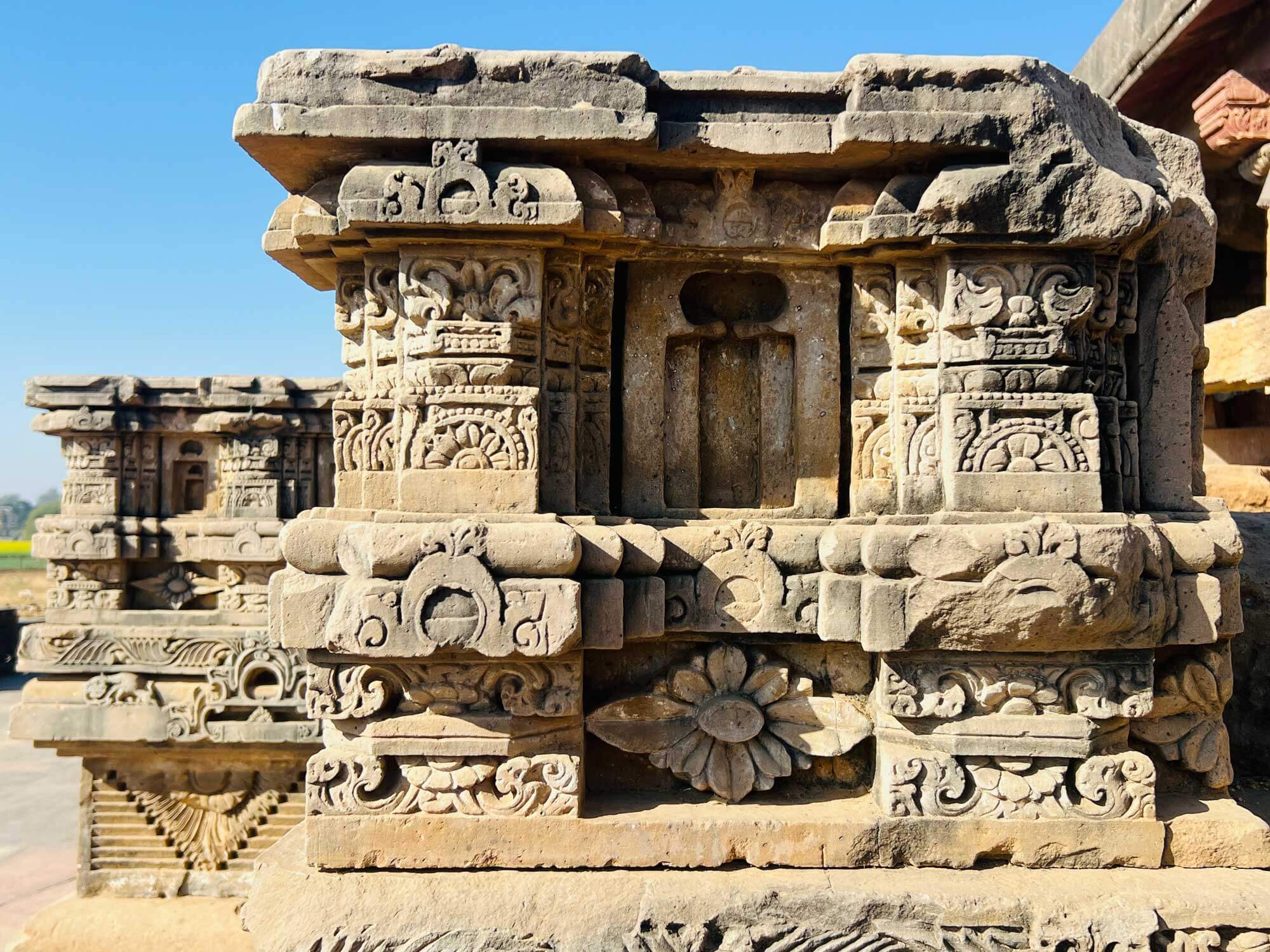
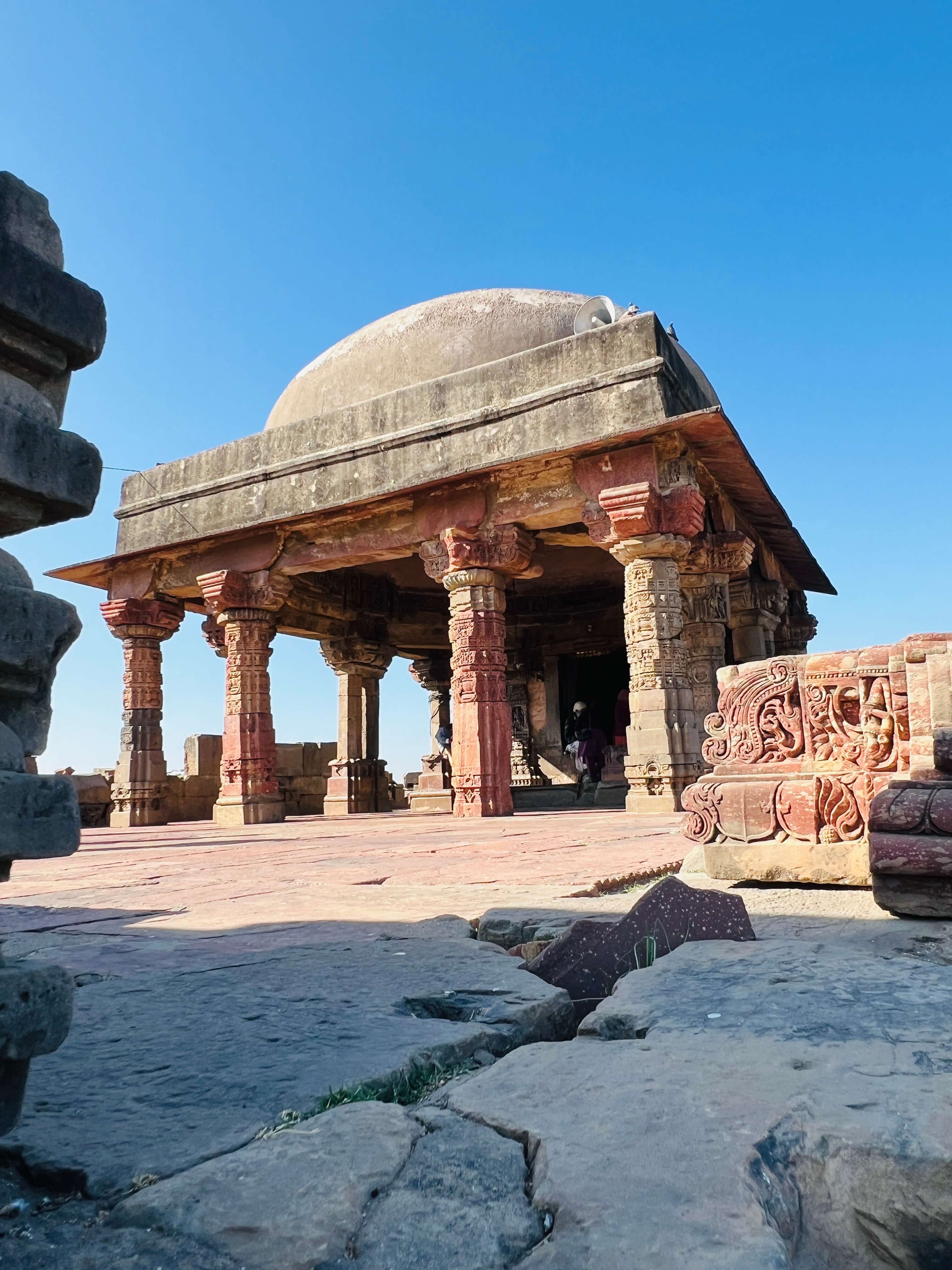
It’s worth travelling to visit Chand Baori in Abhaneri, one of the deepest and most spectacular stepwells in India. This type of traditional architecture, designed to follow the water level, is as photogenic as it is ingenious. Right next to it stand the ruins of an old temple, with carved sculptures and fragments that speak of another era. A silent ensemble, surrounded by dust and light, contrasting with the bustle of Jaipur.
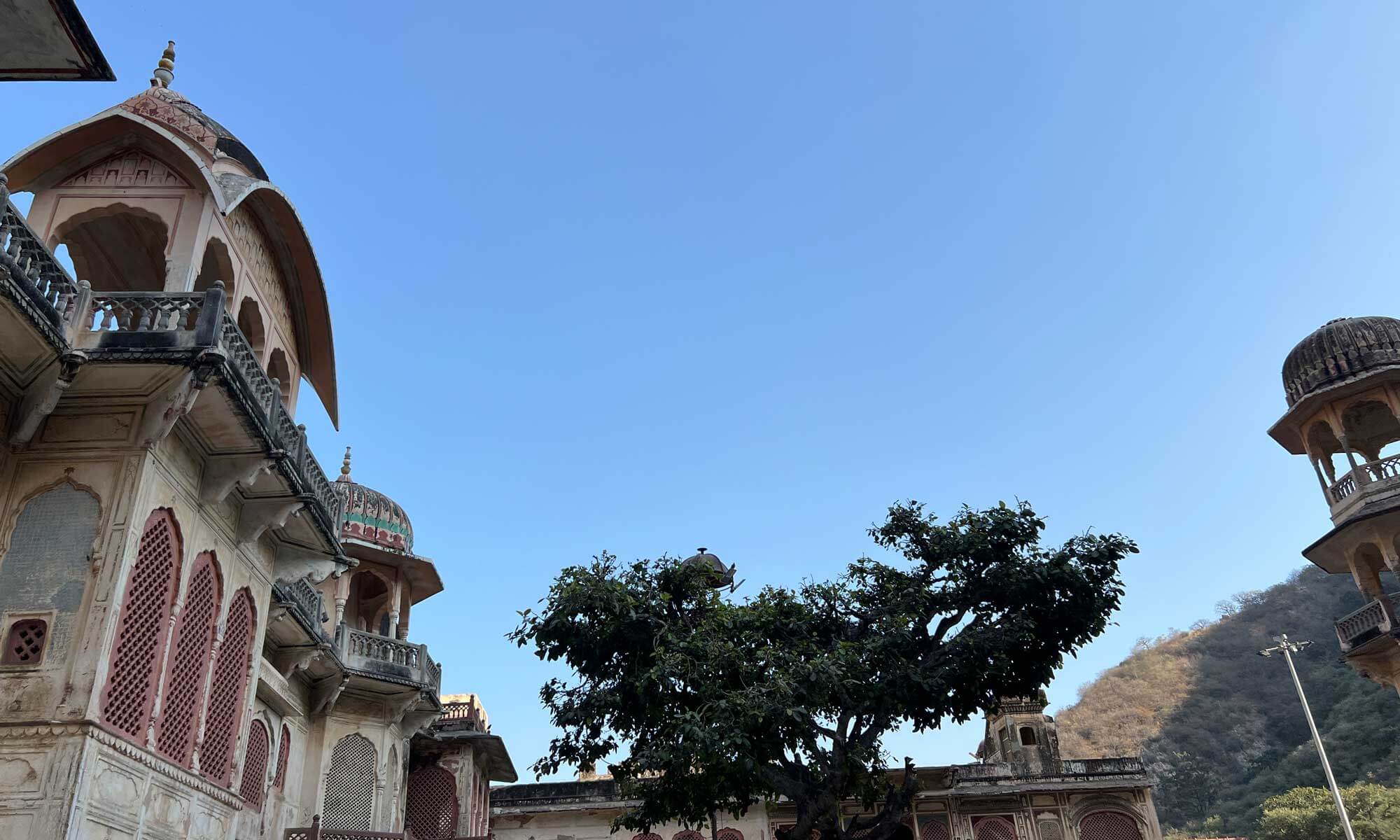
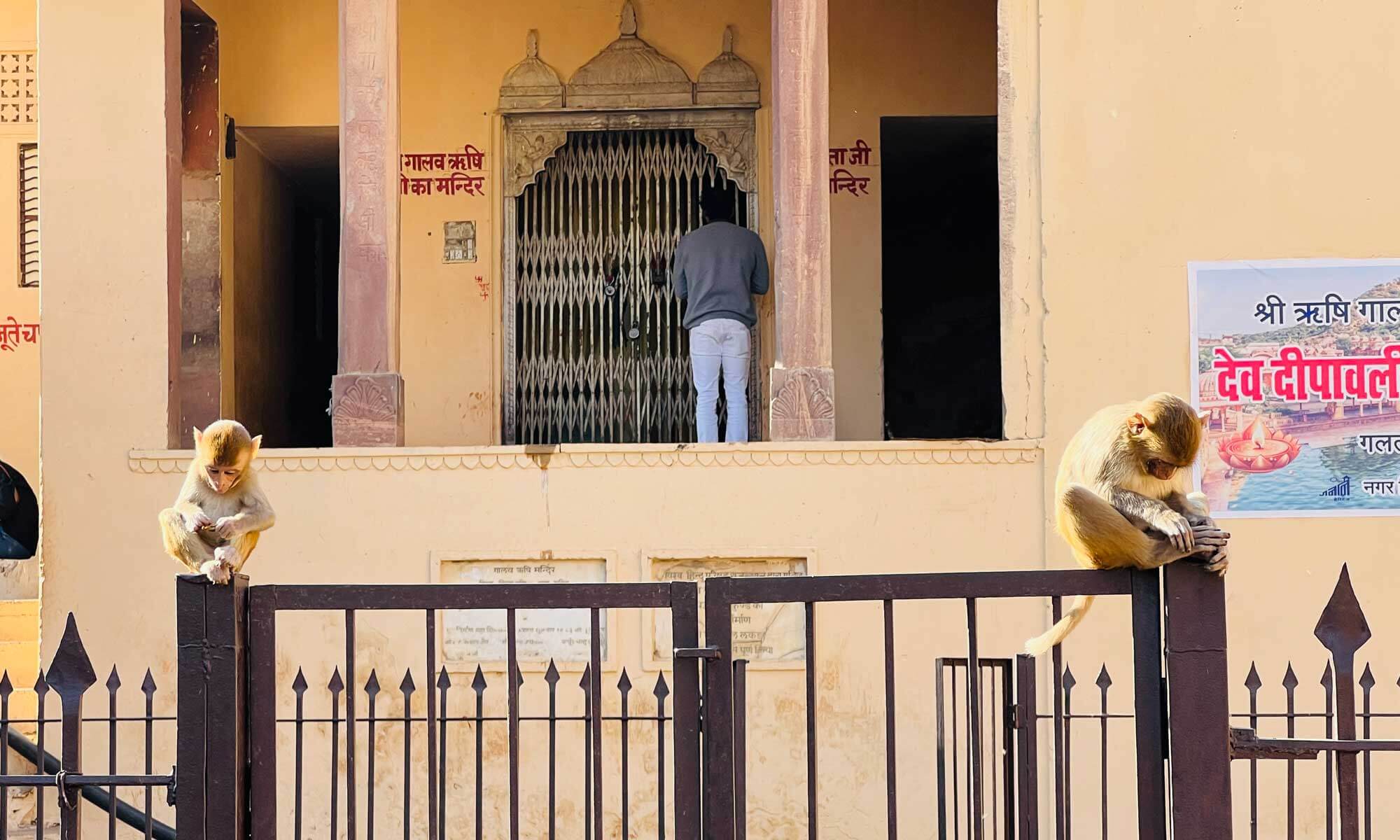
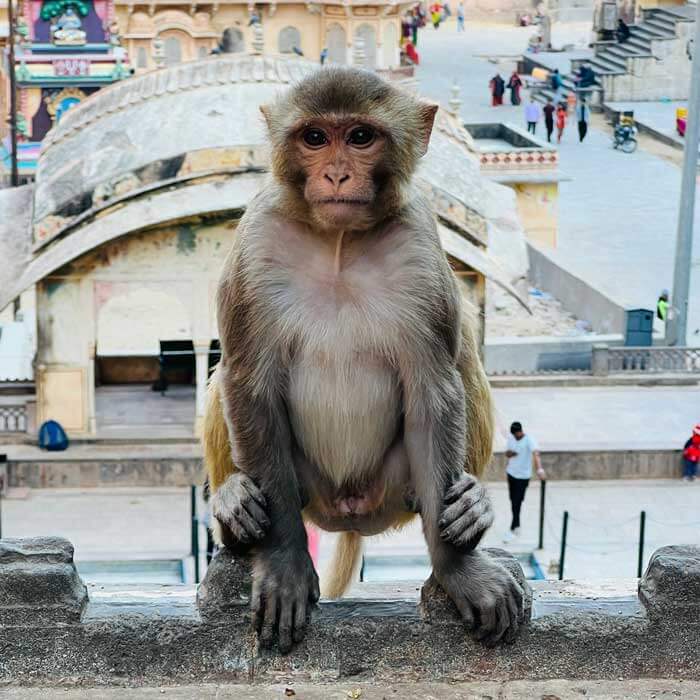
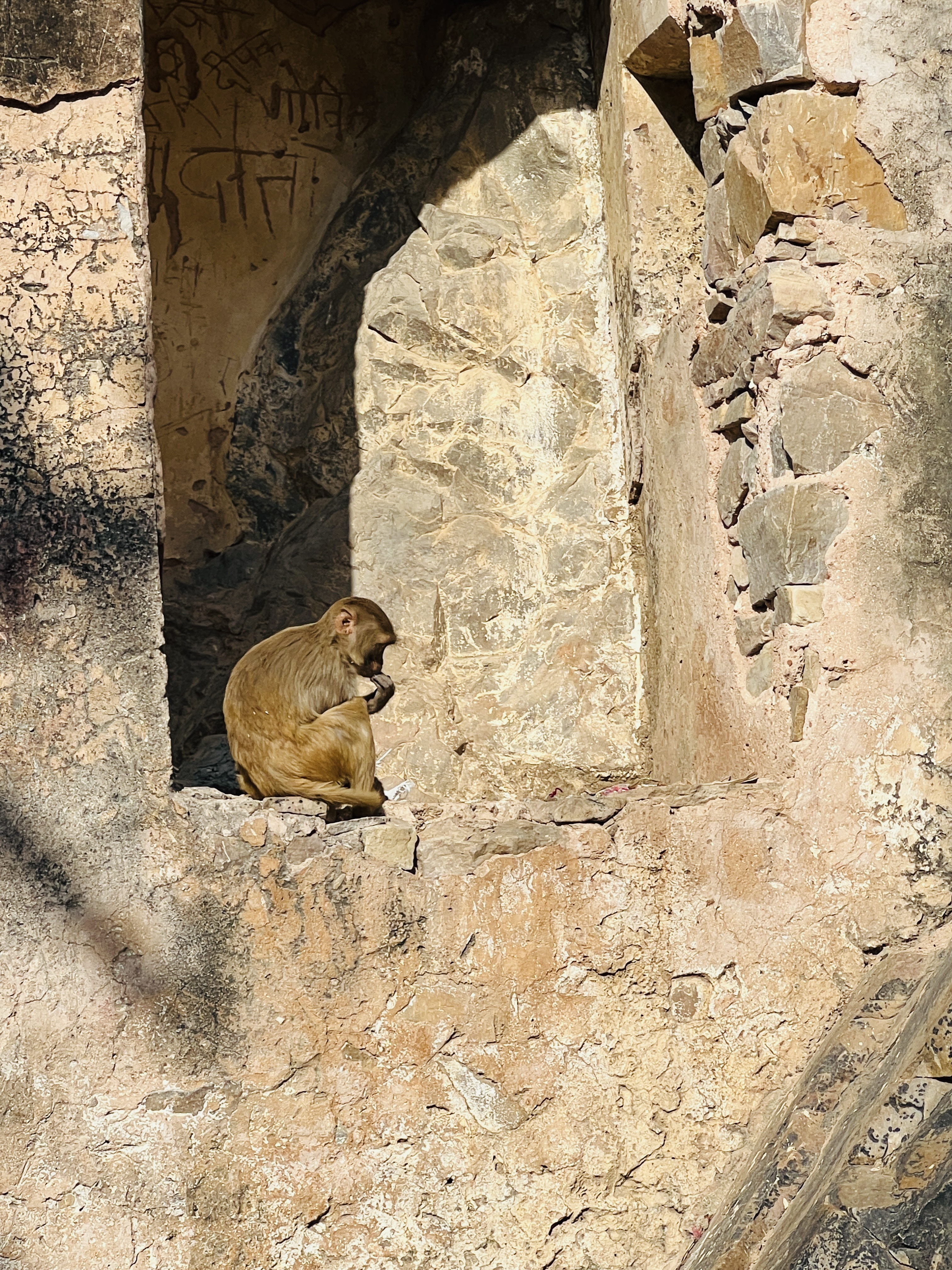
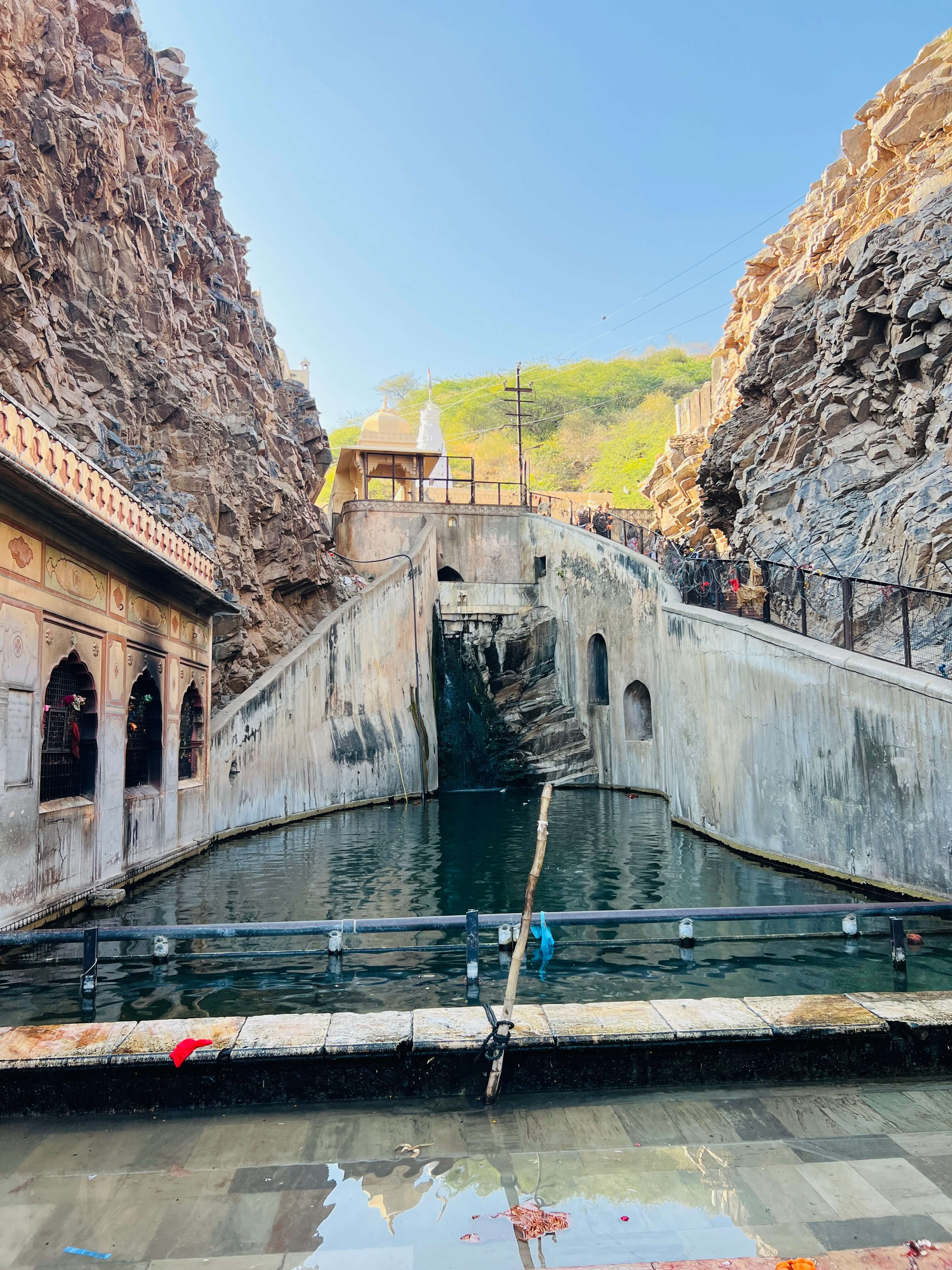
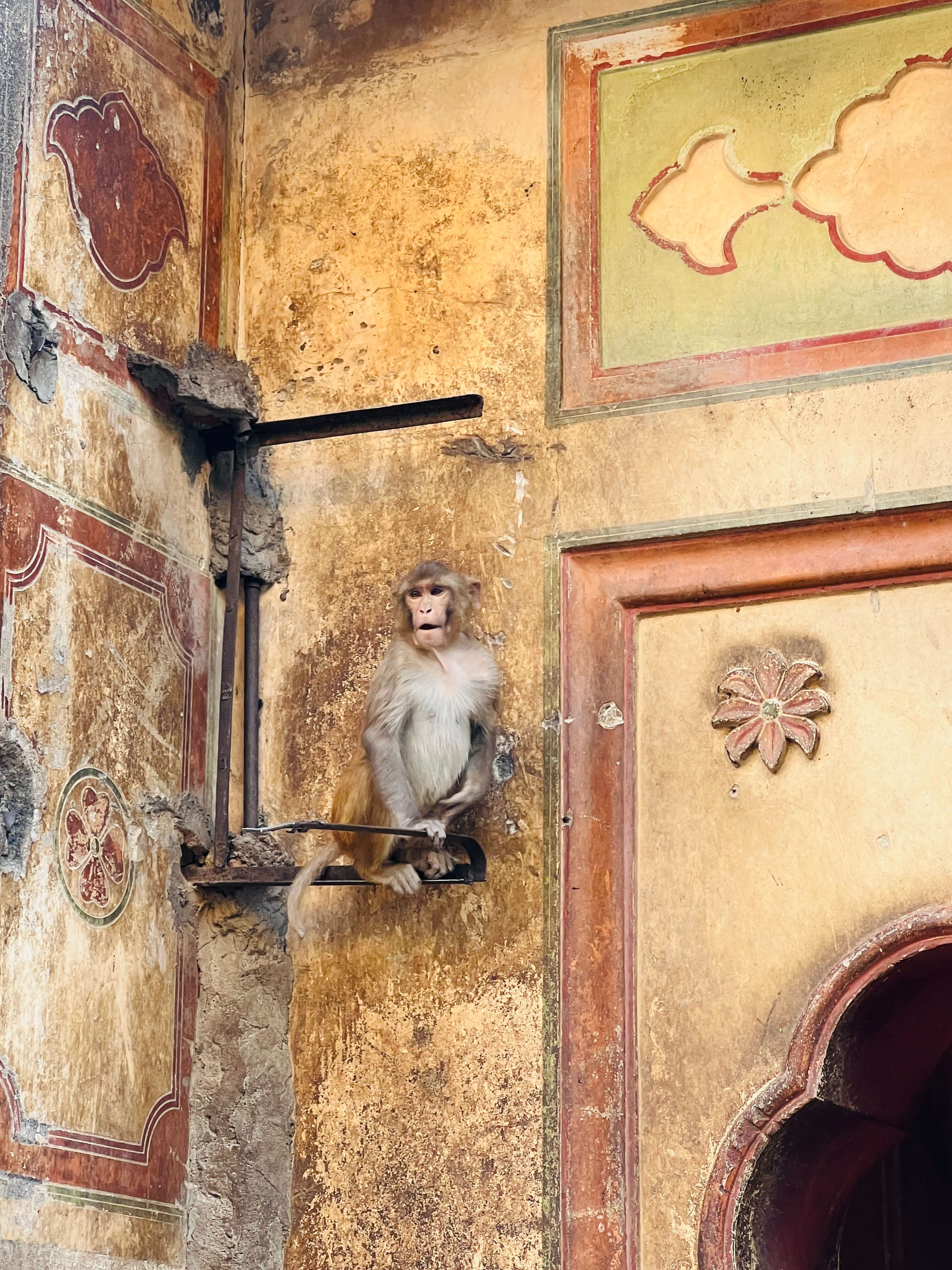
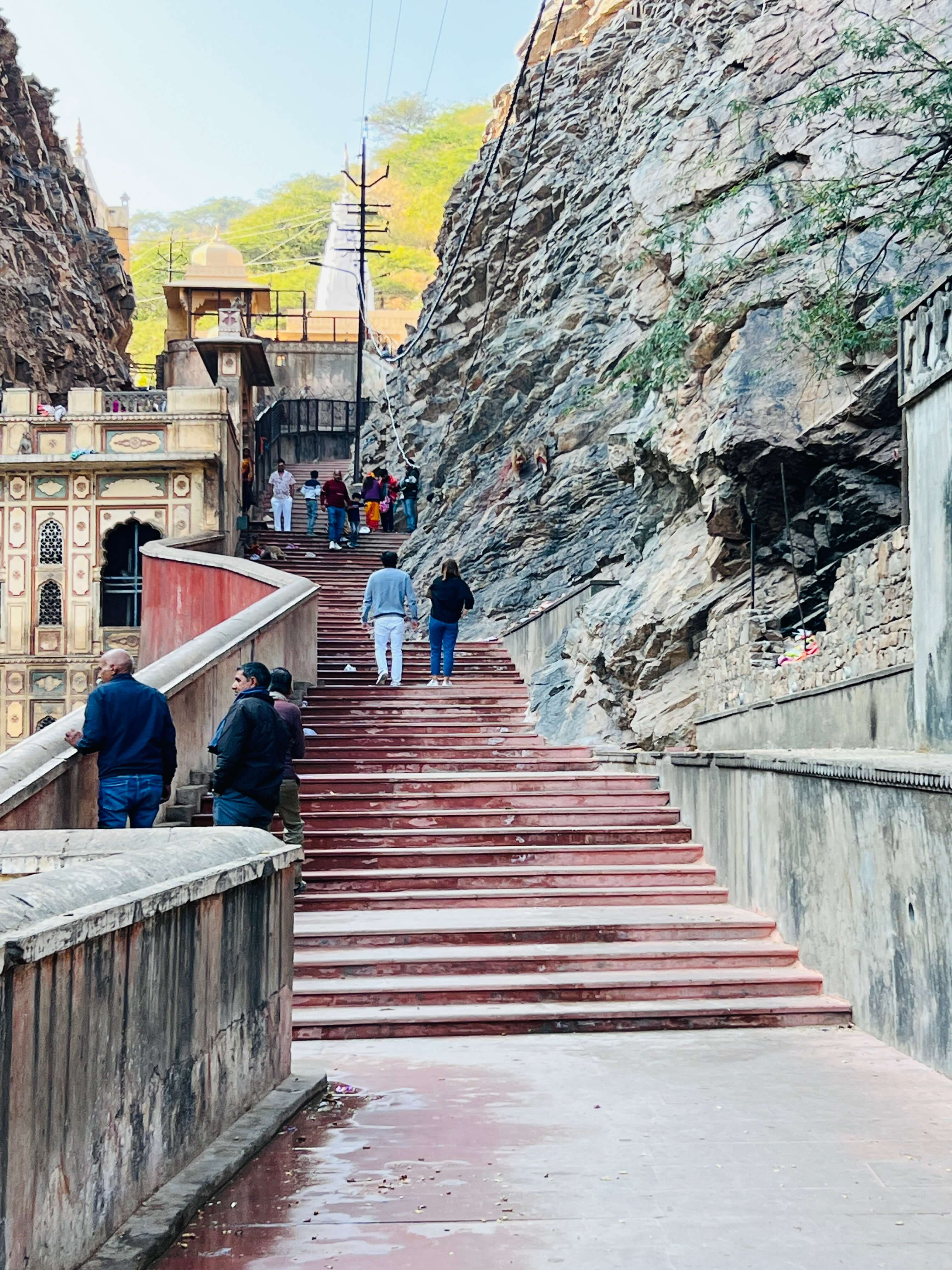
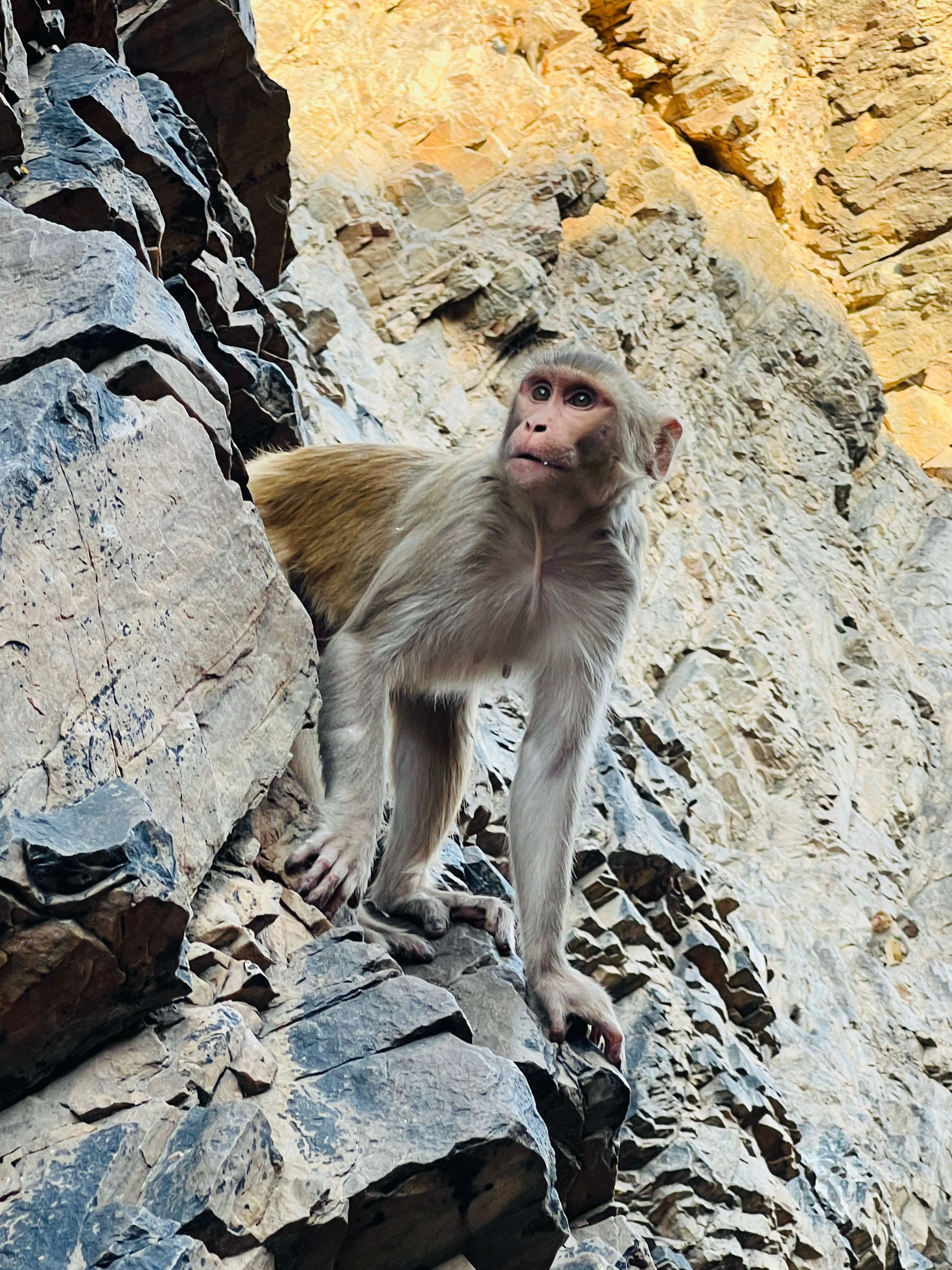
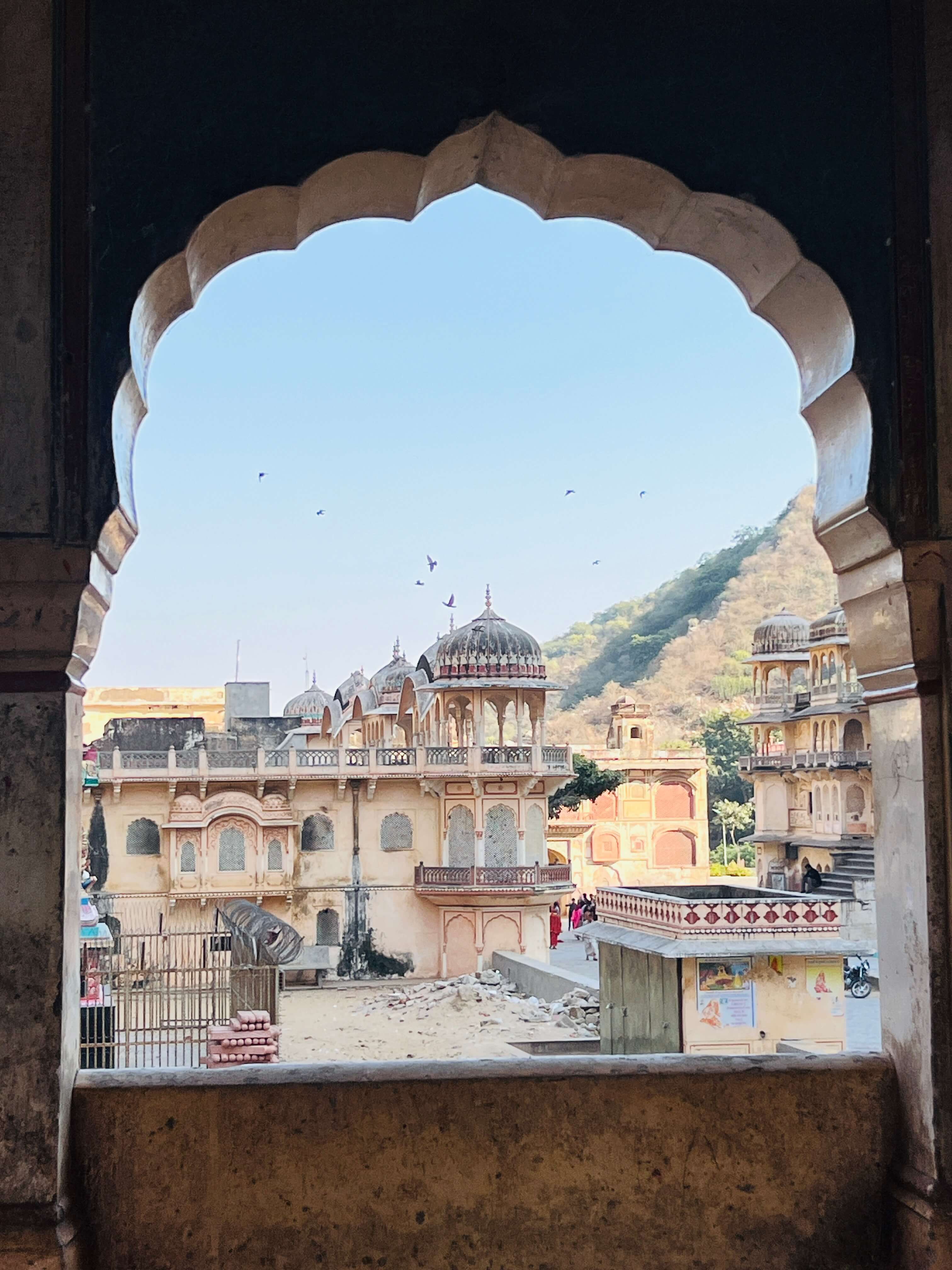
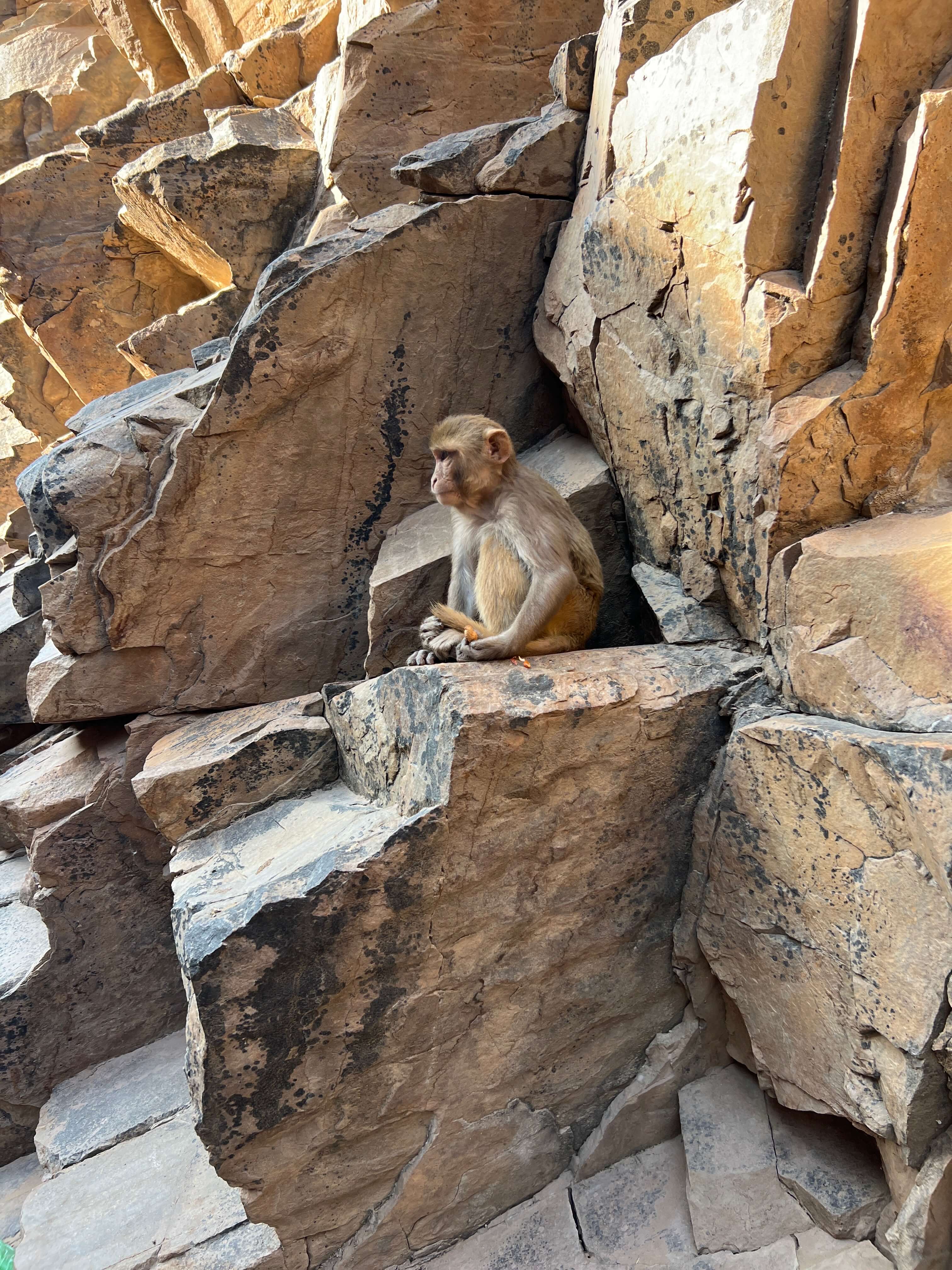
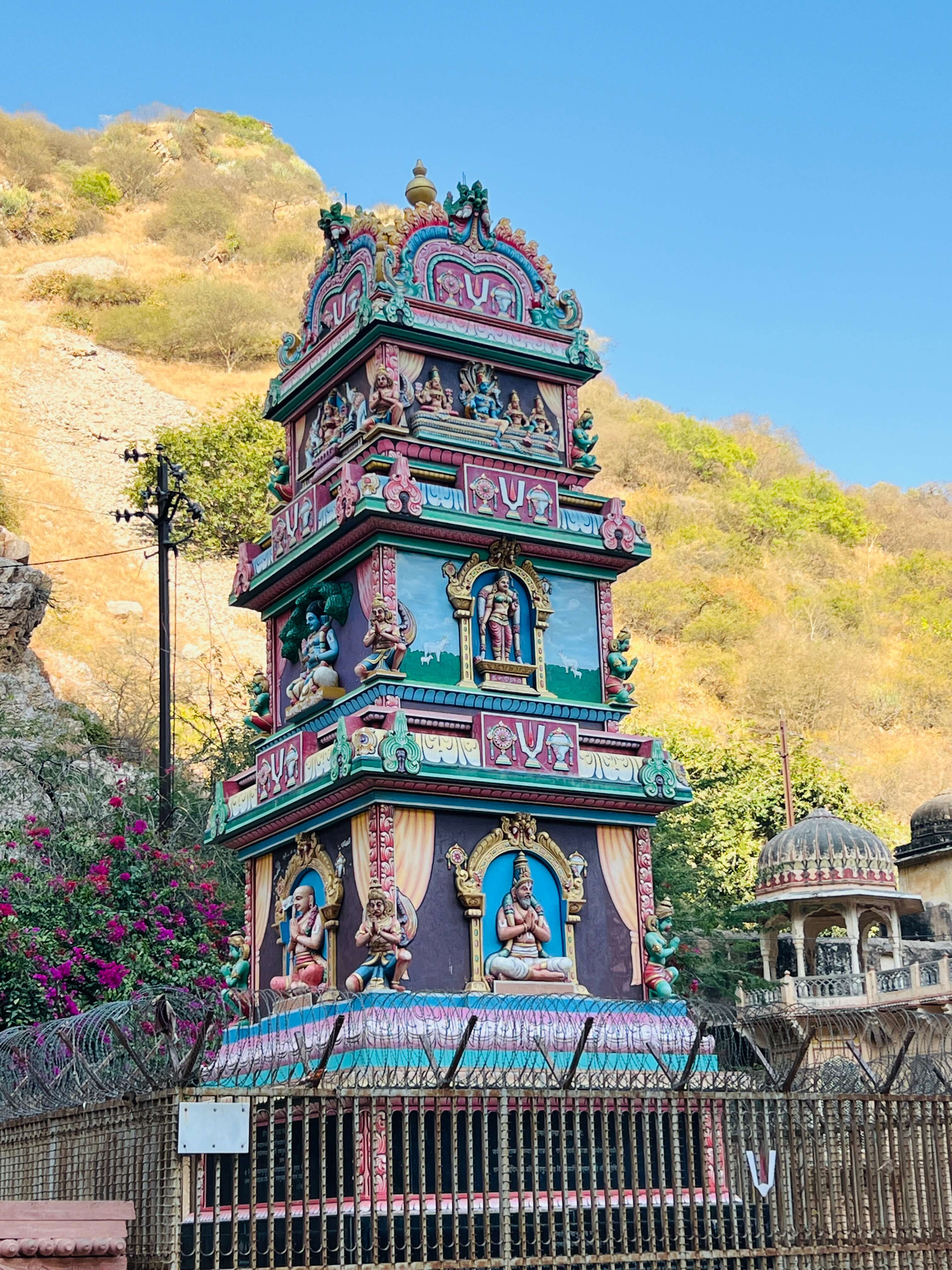
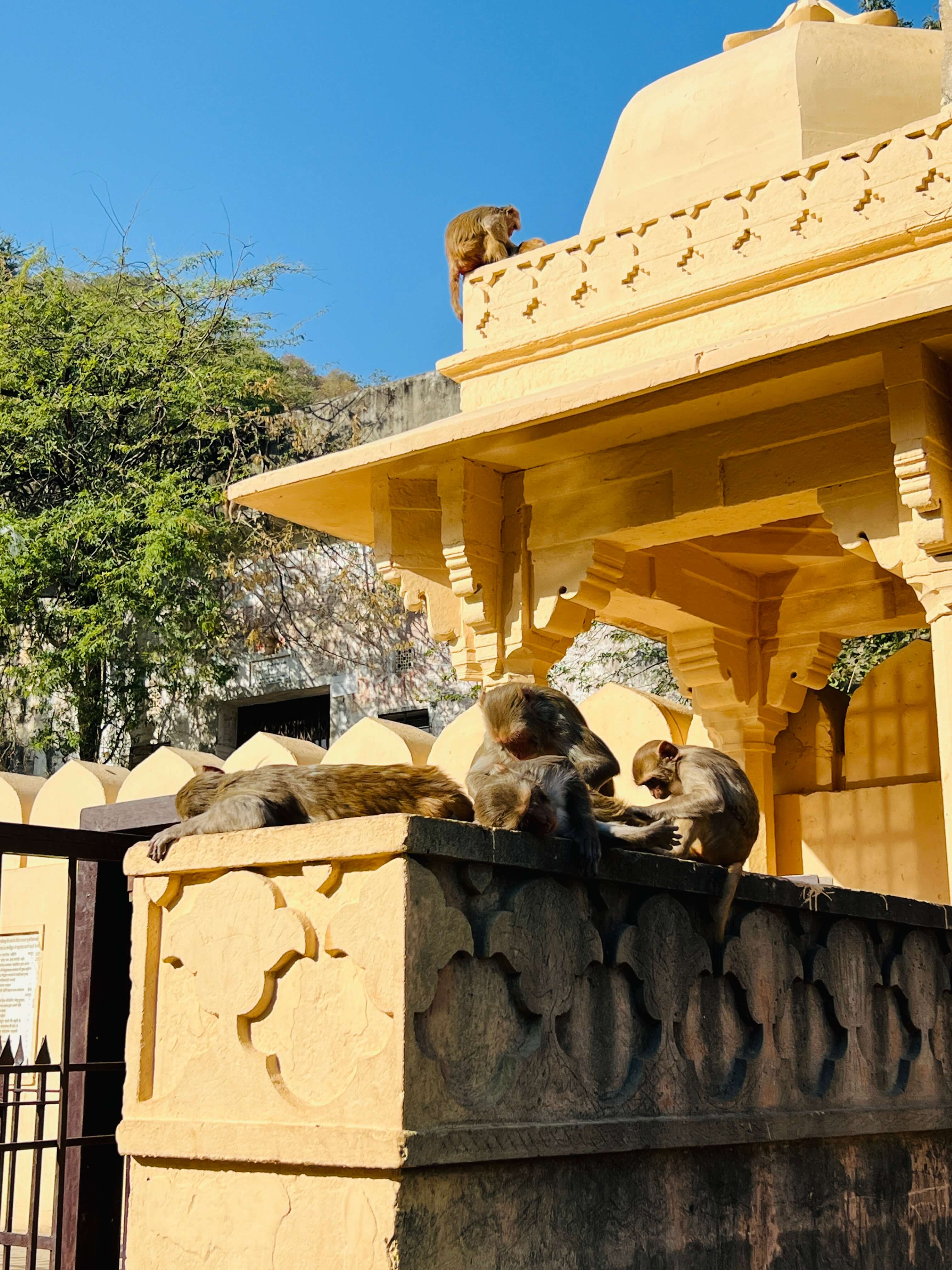
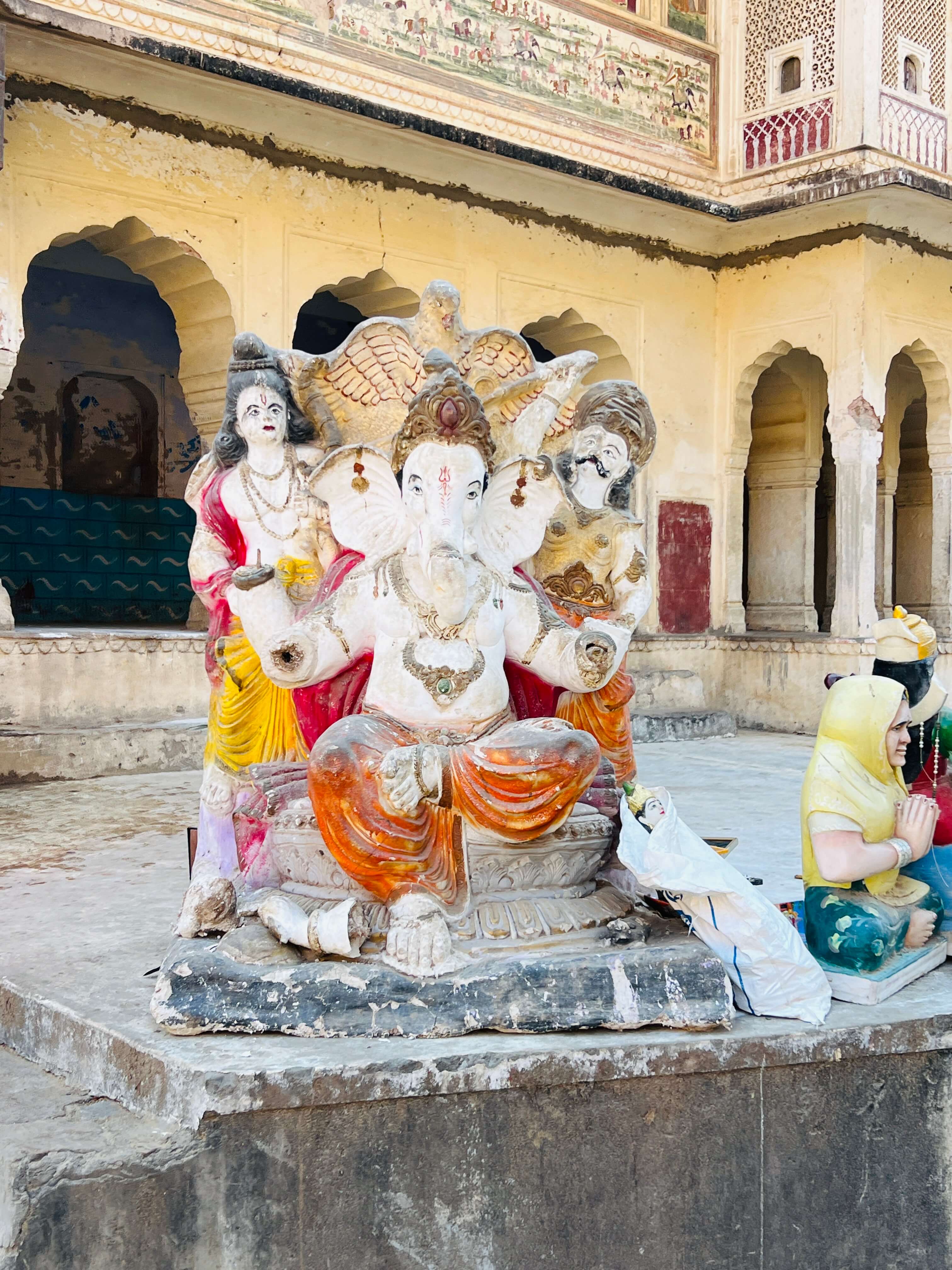
In the eastern hills of Jaipur lies Galta Ji, a temple complex with natural pools where hundreds of monkeys live. The path winds between ancient gates, viewpoints and walls washed out by time. The monkeys roam freely, watching, stealing the odd piece of fruit and resting by the water of Galta Kund. It’s a vibrant yet spiritual place.